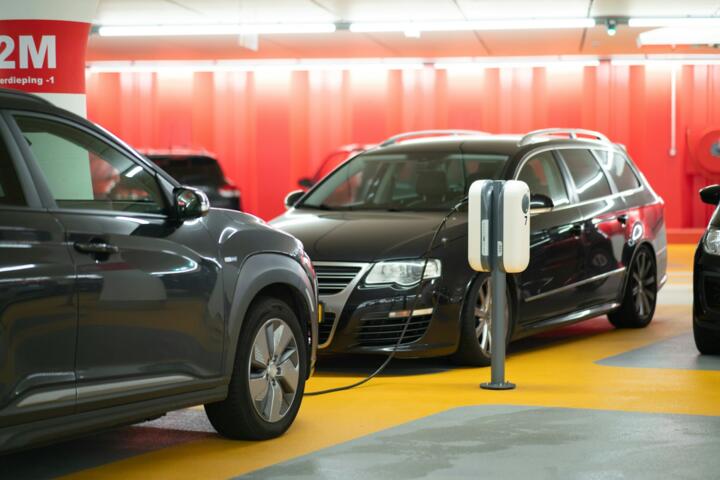
Understanding Hybrid and Electric Cars
Hybrid vehicles use a combination of an internal combustion engine and an electric motor powered by a battery. For example, the Toyota Prius, a top-selling hybrid model, achieves about 56 miles per gallon in combined city and highway driving. On the other hand, electric cars run solely on electricity stored in large battery packs, like the Tesla Model 3, which offers over 350 miles of range on a single charge.
Most hybrids automatically switch between electric and gasoline power to maximize efficiency without driver intervention, whereas electric cars depend entirely on charging infrastructure. Charging speed varies widely; Level 1 chargers add 4–5 miles per hour of charging, while fast DC chargers can add 100 miles in 20 minutes. These differences influence daily usability and planning.
Common Missteps and Challenges
Many buyers assume hybrids eliminate gasoline use entirely, but they still rely heavily on fuel, especially during highway cruising. Some believe electric vehicles (EVs) suit all lifestyles, overlooking charging gaps in rural or apartment living contexts. Ignoring these realities leads to frustration with unexpected range limitations or fuel costs.
Electric range anxiety causes people to avoid EVs, even when daily commutes fall comfortably inside their limits. Conversely, overestimating hybrid fuel savings may result in higher maintenance bills or frequent gas stops. These misjudgments affect overall satisfaction and costs over ownership.
Practical Advice for Picking Right
Assess Your Daily Driving
Calculate your average daily mileage. If you drive under 40 miles regularly, an EV fits well as the majority of models cover at least 150 miles per charge. Plug-in hybrids work for longer trips with occasional charging since they switch to fuel when the battery depletes.
Analyze Fuel and Charging Costs
At $4 per gallon, a typical hybrid might save $500 annually compared to a gas car. EV owners pay about $0.13 per kWh — roughly $400 per year, depending on local rates. Installing a Level 2 home charger costs $700–$1200, but public fast chargers can be pricey and less available.
Factor in Environmental Impact
EVs produce zero tailpipe emissions, cutting greenhouse gases significantly over hybrids, which still burn fossil fuels. For urban commuters, electric cars reduce local air pollution notably. Evaluate if cleaner air near home or on highways matters to you.
Look into Available Incentives
Federal tax credits up to $7,500 still apply to many EVs, though eligibility changes based on manufacturer caps and battery sourcing rules. Hybrid rebates exist but are smaller. State incentives affect affordability strongly; California offers up to $2,000 extra for EVs.
Consider Vehicle Maintenance
Hybrid engines experience less wear but require dual system maintenance, involving battery and transmission care. EVs need less upkeep — no oil changes and fewer moving parts — but battery replacements can run $5,000 or more after a decade.
Evaluate Resale Values
Electric cars hold value well in regions with strong demand; some depreciate faster elsewhere due to battery life fears. Hybrids often retain 50–60% value after 3 years. Model-specific data helps gauge long-term financial outlooks.
Test Drive Both Platforms
Hands-on experience reveals differences in acceleration, noise levels, and driving feel. Hybrids often feel like conventional cars with an electric boost; EVs offer instant torque and quiet cabins. Try multiple models for a clear picture.
Plan for Charging Access
Check if your home or workplace supports Level 2 charging, a key convenience for EV ownership. If not, hybrid vehicles reduce range anxiety by relying on gasoline networks. Apps like PlugShare show nearby public chargers and availability.
Calculate Total Ownership Costs
Use tools such as Edmunds True Cost to Own or Kelley Blue Book to incorporate fuel, maintenance, depreciation, and insurance. This holistic view often reveals hybrids as a middle ground, but EV savings emerge over time with lower fuel and service expenses.
Real-World Examples
A small delivery company in Austin switched three Nissan Leafs from gasoline vans. They cut fuel costs by 70% and reduced maintenance visits from eight to two annually, saving $10,000 in a year. Their short daily routes (under 40 miles) suited pure electric well.
A commuter in Chicago drives a Toyota RAV4 Hybrid. Long highway driving outweighed electric-only range advantages. She noted a 30% reduction in fuel use, smoother acceleration, and no concern about public charger access—critical in winter months when charging stalls frequently.
Side-by-Side Highlights
| Feature | Hybrid | Electric | Example Model |
|---|---|---|---|
| Fuel Source | Gasoline + Battery | Battery Only | Prius / RAV4 |
| Range | 500+ miles | 150–350 miles | Leaf / Model 3 |
| Fuel Cost | $1,200/year | $400/year | Estimated Values |
| Charging Needs | Minimal | Daily access needed | N/A |
| Maintenance | Regular + Battery | Low, battery costly | N/A |
| Upfront Cost | $25K–$40K | $30K–$50K+ | Base Models |
Frequent Mistakes to Dodge
Buyers sometimes pick EVs without a solid plan for charging, only to struggle with range limits during bad weather or busy schedules. Not keeping track of hybrid battery health can lead to costly replacements. Overestimating tax incentives often surprises owners with unexpected expenses or ineligibility. Choosing a hybrid model with a smaller battery pack when a plug-in model is available means missing out on electric-only advantages.
Plan trips ahead, check your local charging network’s status, and verify incentives before purchase. Replace hybrid batteries only after assessing warranty coverage. Consider your parking situation—some apartments, unlike houses, forbid chargers which affects EV feasibility.
FAQ
Do hybrids require charging?
Regular hybrids don’t need external charging; batteries recharge through braking and engine power. Plug-in hybrids, however, require plug-in charging to maximize electric range.
How long do EV batteries last?
Most EV batteries last 8–12 years depending on usage and climate. Warranties typically cover 8 years or 100,000 miles, with gradual capacity loss expected over time.
Is installing a home charger expensive?
A Level 2 charger installation usually costs between $700 and $1,200, including equipment and labor, if your electrical panel supports it.
Can I use a hybrid for long trips?
Yes. Hybrids switch to gasoline when the battery drains, allowing long drives without charging stops, unlike pure EVs.
Do EVs perform well in cold weather?
Battery efficiency drops in cold temps, reducing range by roughly 20–40%, depending on model and conditions, so plan accordingly.
Author's Insight
Years working with various EV and hybrid owners taught me no single choice fits all. EVs excel if you have reliable charging and mostly short trips; hybrids suit those driving both city and highway distances with limited charger access. Testing both in your routine reveals much about comfort and convenience. Budget beyond sticker price—maintenance and fuel add up differently over time. I once saw a hybrid battery fail at 7 years, which, frankly, most buyers don’t expect.
Summary
Hybrid cars blend gasoline and electric power for flexible range and simplified refueling, ideal when charging is sporadic. Electric vehicles eliminate fuel consumption with higher upfront costs and dependency on chargers. Compare your commute, local infrastructure, incentives, and total ownership costs. Start with real usage data, factor in charging access, and test drive before committing. The best choice aligns with how you drive daily—not hypothetical scenarios.