Popular Articles
 Accessories
21.09.2026
Accessories
21.09.2026
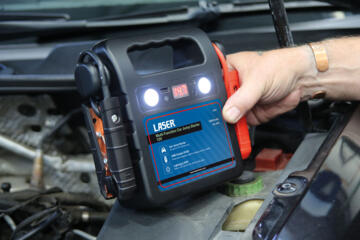
What a Portable Jump Starter Should Have
A portable jump starter is a compact battery pack for starting a car when the main battery fails. This guide explains what features matter in real use: peak and starting current, battery chemistry, clamp design, cable length, safety protections, and charging limits. It also covers vehicle-type fit for sedans, SUVs, and trucks, plus how to avoid common mistakes that waste money or damage electronics. Use it to compare models and choose one that matches your typical engine size and storage habits.
 Accessories
15.09.2026
Accessories
15.09.2026
Why Some Accessories Void a Warranty
Some aftermarket accessories trigger warranty denials because they change how a vehicle’s systems work, interfere with diagnostics, or cause damage that the manufacturer links to the modification. This affects everything from electrical add-ons to towing setups and software changes. The article explains the common failure paths, what documentation helps, and how to choose accessories that fit your vehicle’s design. It’s aimed at buyers who want to protect coverage while still customizing their car.
 Accessories
09.09.2026
Accessories
09.09.2026
How to Pick the Right Roof Box
A roof box changes how you pack for road trips, ski weekends, and family vacations. The right one matches your vehicle’s roof limits, your cargo size, and your driving conditions. This guide walks through measurements, mounting compatibility, loading practices, and weather sealing so you avoid rubbing, wind noise, and wasted space. It also covers ownership costs like replacement locks, cleaning, and warranty coverage.
 Accessories
03.09.2026
Accessories
03.09.2026
What a Block Heater Does in Cold Climates
A block heater is an electric device that pre-warms your engine coolant or the engine block before you turn the key. In very cold weather, that little boost can make a big difference: starts are smoother, the starter and battery don’t have to work as hard, and your heater can blow warm air sooner. In this guide, we’ll break down how block heaters actually work, what benefits you’ll notice in everyday driving, and what to look for before plugging one in—especially depending on your engine type, parking setup, and winter driving habits.
 Accessories
28.08.2026
Accessories
28.08.2026
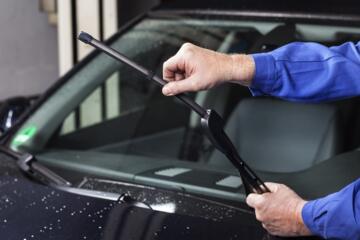
Why Quality Wiper Blades Matter More Than You Think
Wiper blades play a bigger role in safe driving than most people realize, especially in heavy rain, snow, or when your windshield is coated with road film. Many drivers only think about them when they start smearing, squeaking, or leaving streaks right in their line of sight. This guide breaks down how better blades can improve wipe coverage, reduce noise, and protect your windshield from uneven wear. You’ll also learn what to look for based on your vehicle, how long wipers usually last, and the warning signs that it’s time to replace them before visibility and safety take a hit.
 Accessories
22.08.2026
Accessories
22.08.2026
How to Choose a Phone Mount That Lasts
A phone mount that lasts is the one that survives heat, vibration, and daily plugging in—without loosening or blocking key controls. This guide helps drivers choose mounts by vehicle type, mounting method, and phone weight, then match the mount to real use like long commutes and road trips. You’ll learn what fails first, how to test fitment before buying, and how to avoid common setup mistakes that lead to cracked screens or lost phones.
 Accessories
16.08.2026
Accessories
16.08.2026
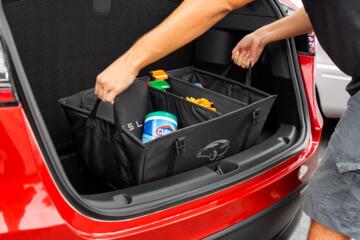
What a Cargo Organizer Does for Daily Use
A cargo organizer is a storage system for a car’s trunk or cargo area that keeps items from sliding, reduces clutter, and helps you find what you need. This guide explains how organizers work, what problems they solve, and which features matter for daily driving. It’s for commuters, families, and anyone who hauls groceries, tools, sports gear, or pet supplies. You’ll learn practical setup tips, realistic expectations, and common mistakes to avoid.
 Accessories
10.08.2026
Accessories
10.08.2026
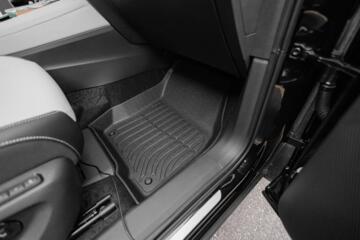
Why Floor Liners Beat Basic Mats
Floor liners and standard floor mats might look similar at first - they both sit on top of your carpet - but they don’t protect your vehicle in the same way. Floor liners are molded to fit, rise up along the sides, and help contain water, salt, sand, and mud so it doesn’t sneak under the edges. Basic mats are usually flatter, can slide around, leave exposed gaps, and tend to wear out faster in the high-scuff spots under your feet. This guide breaks down what those differences mean in real life for sedans, SUVs, and trucks, and walks you through practical things to check before buying - fit, coverage, materials, cleaning, and price - so you can decide if liners are worth the extra cost.
 Accessories
04.08.2026
Accessories
04.08.2026
How Window Tint Rules Vary by Region
Window tint laws change by state, province, and even by vehicle type. This guide explains how limits on visible light transmission (VLT), reflectivity, and medical exemptions affect what you can legally install. You’ll see common mistakes that lead to tickets or failed inspections, plus practical steps to verify rules before you buy. It also covers how tint choices can affect heat, glare, and resale value.
 Accessories
29.07.2026
Accessories
29.07.2026
What a Trailer Hitch Adds to a Vehicle
A trailer hitch changes how a vehicle handles towing, cargo, and electrical loads. It adds a receiver for bike racks, cargo carriers, and trailers, but it also introduces limits on payload, tongue weight, and braking. This guide explains what the hitch itself adds, what the vehicle’s hitch rating and wiring can handle, and what maintenance and repair items tend to show up over time. It’s aimed at buyers who want to tow occasionally, haul gear often, or add racks without guessing.