Popular Articles
 What’s new
24.09.2026
What’s new
24.09.2026
How New Battery Chemistries Affect Range
Battery chemistries shape how an EV stores energy, how it ages, and how much usable capacity remains after months of charging. This guide explains what changes with newer lithium chemistries and why range can swing even when the rated kWh stays the same. It also covers charging limits, cold-weather behavior, and how to compare warranties and real-world range claims for EVs and plug-in hybrids. The goal is to help buyers predict range and avoid costly surprises.
 What’s new
18.09.2026
What’s new
18.09.2026
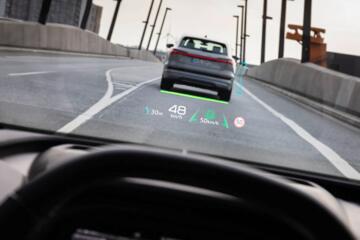
What Augmented-Reality Head-Up Displays Show
Augmented-reality head-up displays (AR HUDs) project navigation, lane guidance, and warnings onto the windshield view using cameras and sensors. This article explains what AR HUDs typically show, how the system decides where to place graphics, and why vehicle type changes the experience. It also covers the limits that matter in real driving—glare, calibration, sensor coverage, and update behavior—so buyers can judge fit before paying for the option.
 What’s new
12.09.2026
What’s new
12.09.2026
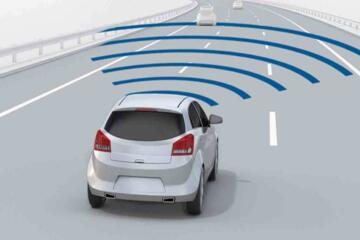
Why Adaptive Cruise Control Is Getting Smarter
Adaptive cruise control (ACC) is moving beyond simple radar distance keeping. Newer systems combine radar, cameras, and better driver-assist software to handle lane changes, curves, and traffic flow with fewer abrupt speed swings. This matters for commuters, road-trip drivers, and families who want predictable behavior in stop-and-go traffic. The article explains what’s changing, where ACC still struggles, and how to test it before you buy.
 What’s new
06.09.2026
What’s new
06.09.2026
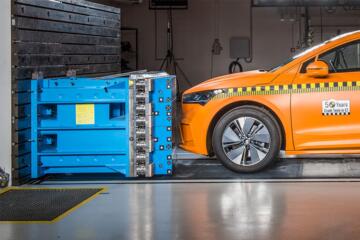
How New Crash Tests Reflect Real Roads
New crash tests are changing how vehicles get rated, with more attention to real-world crash angles, occupant protection timing, and vehicle-to-vehicle interaction. This matters if you shop for a family SUV, a commuter sedan, or an EV where repair costs and parts availability can swing budgets. This guide explains what the newer tests measure, why vehicle type changes the outcome, and how to translate test results into buying and ownership decisions.
 What’s new
31.08.2026
What’s new
31.08.2026
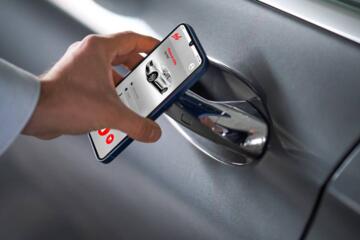
What a Digital Key on Your Phone Replaces
A digital key on your phone replaces the physical car key for locking, unlocking, and starting—using Bluetooth, NFC, or UWB depending on the vehicle. This article explains what changes in daily use, what still stays the same (like backup keys and dealer programming), and where failures usually come from. It’s aimed at shoppers comparing keyless entry, EVs, and newer infotainment systems who want fewer surprises at the parking lot.
 What’s new
25.08.2026
What’s new
25.08.2026
Why Heat Pumps Are Becoming Standard in EVs
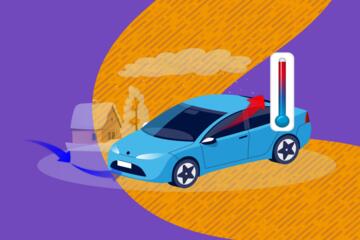
Heat pumps move heat instead of generating it from scratch, so EVs can warm the cabin and battery with less energy in cold weather. This matters for range, charging planning, and winter comfort, especially for drivers who commute in sub-freezing temperatures. The shift is showing up across more EV models, but the real-world benefit depends on climate, battery temperature strategy, and how the car manages defrost and cabin heat. This guide explains what changes, what to check before buying, and how to avoid common winter range surprises.
 What’s new
19.08.2026
What’s new
19.08.2026
How New EV Platforms Differ From Converted Cars
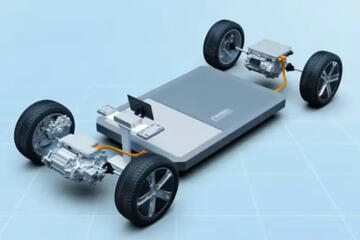
Learn how purpose-built EV platforms differ from vehicles that were converted from gasoline or hybrid designs. It helps informed buyers and enthusiasts understand battery placement, wiring and software architecture, crash and service implications, and real-world tradeoffs like weight distribution and charging behavior. You’ll learn what to look for in specs and documentation, which myths to avoid, and how to compare platforms using practical checklists and examples.
 What’s new
13.08.2026
What’s new
13.08.2026
What Vehicle-to-Load Power Actually Does
Vehicle-to-Load (V2L) is a feature on some EVs and plug-in hybrids that lets you run everyday devices straight from the car—usually through a built-in AC outlet or a plug-in adapter. It’s handy for emergency backup power, campsite/off-grid trips, or powering tools on a jobsite without dragging along a generator. This article explains how V2L actually works, what the real limits are (inverter wattage, battery drain, and how surge loads behave), and how to calculate what you can safely plug in. You’ll also learn the key safety checks to make before you connect anything, so you avoid overloads, damaged equipment, or unsafe wiring setups.
 What’s new
07.08.2026
What’s new
07.08.2026
Why Touchscreens Are Getting Physical Controls Back
Touchscreens took over dashboards, but many drivers found that key tasks still need tactile feedback. This article explains why physical buttons and knobs are returning on newer vehicles, from defrost and volume to driver-assist settings. You’ll see what goes wrong with deep menu systems, how physical controls change real-world usability, and what to check during test drives. It also covers repair and ownership tradeoffs for both touchscreen-heavy and hybrid control layouts.
 What’s new
01.08.2026
What’s new
01.08.2026
How New Safety Ratings Are Changing
New safety ratings are shifting from simple crash outcomes to tests that track real-world risk: crash avoidance, head protection, and how systems behave across speeds and road conditions. This affects what buyers should compare between trims, model years, and even option packages. The goal is fewer surprises after purchase, especially for families and drivers who rely on driver-assistance features. This guide explains what changed, what to check, and how to translate ratings into buying decisions.