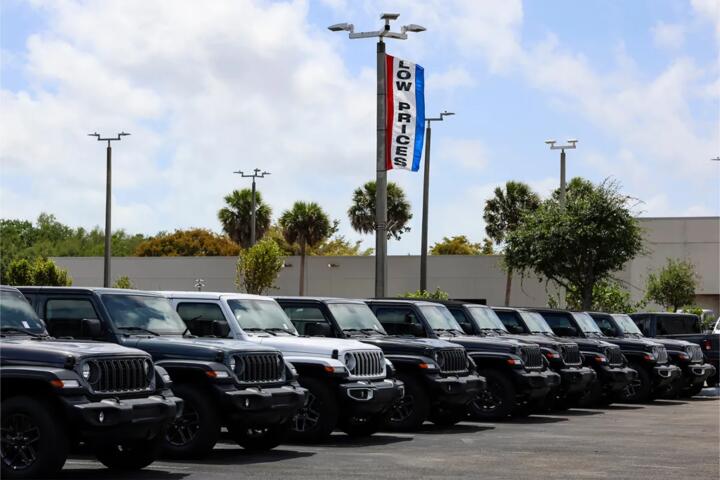
Lower price, higher bill
Lower prices frequently shift costs from the purchase line to the ownership line. A $2,000 discount on a used SUV can turn into $3,000–$6,000 in extra fuel, tires, and repairs over 5 years, depending on mileage and drivetrain.
Fuel economy differences alone can matter. A 10 mpg gap at 12,000 miles per year is about 1,200 gallons over 5 years, before you even price maintenance.
Vehicle type changes the math. A compact sedan with a 2.0L engine and a simple suspension usually has fewer “wear items” than a heavy 3-row crossover with all-wheel drive.
Skip the sticker focus. It hides the operating costs.
Industry data backs the pattern. Repair frequency and parts cost rise with age, and tires are a major line item for many vehicles; the U.S. Tire Manufacturers Association has long reported tires as one of the most common consumer vehicle expenses, and tire replacement intervals often fall between 25,000 and 60,000 miles depending on size and driving.
Safety and warranty coverage also shift with trim and model year. A base model might lose driver-assist features, and a powertrain warranty can end earlier than the bumper-to-bumper coverage.
Where buyers get burned
People often compare monthly payments while ignoring total cost. A longer loan term can reduce the payment while increasing interest, and it can also delay the point where you can trade out of a problem vehicle.
Skip the “same car” assumption. Different trims share names but not parts.
Common mistakes show up in real shopping. A buyer chooses a cheaper trim without adaptive cruise, then pays for aftermarket sensors that may not integrate cleanly with the factory radar. Another buyer selects a used pickup with a 6.2L V8 because it “feels strong,” then discovers higher fuel use and higher brake wear when towing 7,000 lb regularly.
Consequences show up fast. Brake rotors and pads wear faster on heavier vehicles and on trucks used for stop-and-go hauling. If the vehicle uses larger wheels, tire replacement can jump in cost even when tread life stays similar.
Ownership costs can swing by thousands. Insurance premiums vary by model and trim; a higher-output engine or a vehicle with more theft-prone history can raise annual premiums, even when the purchase price is lower.
Reliability data also matters, but it’s easy to misread. A model can have good overall ratings while a specific engine or transmission variant has more reported issues, which is why you need to match the exact powertrain, not just the body style.
Specific ways to price it right
Run a 5-year cost sheet
Do the math before you negotiate. Use your expected annual miles and your local fuel price, then add estimated maintenance and tires. For example, if a 2.0L turbo averages 28 mpg and another option averages 22 mpg, the 6 mpg gap at 15,000 miles per year is roughly 4,000 gallons over 5 years—again, before repairs.
Skip the guesswork. Use your route and your driving mix.
In practice, build a spreadsheet with line items: fuel, oil changes, brake service, tires, and an allowance for unscheduled repairs. If you’re comparing two used cars, add the cost of replacing tires immediately if tread depth is unknown.
Tool tip: a fuel-cost calculator plus your last 3 months of receipts beats “EPA says” for real budgeting.
Match the powertrain to use
Choose the engine and transmission that fit your duty cycle. A 3.5L V6 in a crossover used for short trips can spend more time in inefficient warm-up, while a smaller 2.0L engine may struggle less with fuel burn in city traffic.
Skip the “bigger engine” logic. It often costs more to run.
Look at horsepower and torque, but connect them to gearing and drivetrain. A 200 hp 2.0L with an 8-speed automatic can behave differently than a 240 hp 2.4L with a 6-speed, especially when you drive hills and carry passengers.
Numbers to check: curb weight, towing rating, and the transmission type. If you tow, confirm the payload too; a truck rated for 7,000 lb towing can still have a payload limit that caps how much you can carry in the bed.
Audit tires and brakes early
Lower prices often come with higher wear items. Inspect tire brand, size, and date code; a set of 20-inch tires can cost far more than 17-inch tires, even with similar tread depth.
Skip the “they look new” claim. Date codes tell the truth.
In practice, measure tread depth with a gauge and check for uneven wear. Uneven wear can signal alignment issues or worn suspension components, which can turn a cheap purchase into a shop visit.
Brake checks matter too. If the vehicle uses larger rotors or performance pads, the next brake job can cost more than you expect, especially on AWD models where components can wear differently front to rear.
Verify warranty coverage limits
Warranty coverage can quietly shrink when you buy a cheaper trim or an older year. Confirm the remaining time and mileage for powertrain coverage, and read whether the warranty is transferable if you’re buying used from a dealer.
Skip the “it has warranty” line. Read the mileage cap.
In practice, ask for the warranty booklet or the VIN-based coverage printout. Some warranties cover emissions components separately, and some cover roadside assistance for a limited period.
Numbers to track: remaining months, remaining miles, and whether the warranty covers hybrid battery components. For EVs, battery coverage terms vary by manufacturer and can be tied to capacity retention rather than a simple mileage limit.
Check charging and range reality
EV price cuts can hide charging constraints. If you don’t have home charging, the “cheap” EV can become expensive in time and cost, because public fast charging pricing varies by network and location.
Skip the optimistic range sticker. Driving conditions change it.
In practice, check the battery size and the EPA range, then estimate real-world range using your climate. A 75 kWh pack might show 250–300 miles in mild weather, but winter and highway speeds can reduce usable range noticeably.
Charging limitation to confirm: maximum DC fast-charging rate and whether the vehicle throttles after a certain state of charge. Many EVs slow charging as the battery fills, so “30 minutes” can turn into longer trips if you start at a high charge level.
Confirm child-seat and cabin fit
Lower price trims sometimes reduce cabin practicality. Check rear legroom, seat cushion height, and whether the rear seat has LATCH anchors in the positions you need.
Skip the “it has back seats” assumption. Fit matters for child seats.
In practice, test the child-seat footprint and the seatbelt routing. Some vehicles have tight rear door openings or seatbacks that don’t recline enough for infant seats.
Road-trip comfort is measurable too. Cabin noise levels vary by tire choice and insulation; a vehicle with cheaper tires and less sound deadening can feel louder at 70 mph, even when acceleration feels similar.
Use a pre-purchase inspection checklist
A lower price is often a signal to inspect harder. Get a pre-purchase inspection from an independent shop and request a scan for stored codes, not just a quick visual look.
Skip the “no codes” reassurance. Codes clear, history stays.
In practice, ask for a compression test only when warranted, and ask for brake rotor thickness and tire wear measurements. For hybrids and EVs, request a battery health check if the shop has the right tool.
Incidental detail: when I’ve seen buyers bring a scan tool report dated 2024-11-03, it helped catch a transmission adaptation issue that wasn’t visible on the test drive.
Negotiate the total, not the payment
When you negotiate, tie the price to the condition. If the tires are near replacement, negotiate a credit or a price reduction that covers a new set in the correct size.
Skip the monthly payment trap. It hides the repair budget.
In practice, ask for out-the-door numbers and compare them across offers. If one deal includes a warranty extension, price it separately so you can compare apples to apples.
Numbers to watch: doc fees, tire-and-wheel coverage, and whether the vehicle has had major repairs like a transmission replacement or a salvage title history.
Mini case studies with numbers
Fleet sedan: cheaper trim
A small delivery company bought 12 compact sedans with a lower trim to save $1,500 per unit. After 18 months and about 22,000 miles per car, they saw higher tire wear because the cheaper option used a different wheel/tire package and had less aggressive alignment specs from the factory.
They switched to the higher trim on the next order and required a pre-delivery tire and alignment check. Tire replacement frequency dropped from roughly every 28,000 miles to about 40,000 miles, and the fleet reduced unplanned downtime by several days per quarter.
Result: the initial savings of about $18,000 across 12 cars was partially offset by tire and labor costs, and the second batch cost more up front but reduced repeat work.
Skip the “one-time savings” mindset. Wear items repeat on schedules.
EV household: charging reality
A household chose a lower-priced EV because it was $4,000 cheaper than a comparable model with a higher charging rate. They didn’t install home charging and relied on public DC fast charging.
After a winter season, they found that the slower charging rate extended each charging stop by 10–20 minutes, and the higher electricity cost at certain stations erased part of the purchase savings. Their monthly charging spend rose by about $60–$90 compared with their earlier plan.
They later added a Level 2 home charger, which reduced public charging frequency. Result: the EV became closer to their budget, but the early “cheap” choice still cost them time and money during the first season.
Checklist for hidden costs
| Item to check | What the low price may hide | What to ask or measure | Decision impact |
|---|---|---|---|
| Tires | Higher cost sizes, uneven wear | Tread depth, date code, tire size | Negotiate replacement budget |
| Brakes | More frequent jobs on AWD/heavy trims | Rotor thickness, pad wear | Estimate next service cost |
| Fuel economy | Real-world mpg gap | Your route mpg estimate | Fuel cost over 5 years |
| Warranty | Shorter powertrain coverage | VIN-based remaining coverage | Risk of out-of-pocket repairs |
| EV charging | Slower charging, higher public costs | Max DC rate, charging plan | Time and electricity budget |
| Resale | Trim demand and mileage effects | Comparable listings by year | Depreciation risk |
Common mistakes and fixes
Ignoring tire and wheel size
Why it happens: buyers focus on engine specs and skip wheel/tire packages, which can change replacement costs dramatically. Impact: a “good deal” can become expensive when tires hit 2/32-inch tread and traction drops in rain. Avoid it by checking tire size on the door jamb and pricing that exact size before signing.
Skip the “close enough” tire match. Sidewall and load ratings matter.
Comparing only payments
Why it happens: monthly payment feels like the only number that matters, especially when dealers quote financing quickly. Impact: a longer term can add thousands in interest, and it can trap you in a vehicle you dislike. Avoid it by calculating total interest and total out-the-door price, then comparing both offers on the same term length.
Shorter loan, lower total interest. Longer terms hide cost.
Overlooking warranty transfer rules
Why it happens: buyers assume warranties transfer automatically, but some coverage depends on ownership and registration. Impact: you can pay for repairs that would have been covered if the warranty had transferred. Avoid it by asking for the warranty terms in writing and confirming transfer eligibility for used purchases.
Skip the verbal promise. Get the VIN-based confirmation.
Underestimating maintenance intervals
Why it happens: maintenance schedules look simple on paper, but real driving changes oil life and brake wear. Impact: missed service can lead to accelerated wear, especially on turbo engines and stop-and-go routes. Avoid it by matching the service history to the vehicle’s actual use and checking for evidence of oil changes at the right intervals.
Use receipts, not “we did it.”
Assuming towing ratings equal payload
Why it happens: towing charts get attention, while payload limits get ignored. Impact: you can exceed the payload with passengers and gear even when towing capacity looks fine. Avoid it by checking the door-jamb payload sticker and weighing your typical load before committing.
Skip the towing-only math. Payload sets the ceiling.
FAQ
Why does a cheaper trim cost more later?
A lower trim often changes more than badges. It can swap wheel and tire sizes, remove driver-assist features, and alter suspension tuning or brake packages. Those differences affect wear items, repair parts pricing, and sometimes insurance risk. Before buying, compare the exact option list and check the tire size and brake type. If the cheaper trim uses larger wheels, price a replacement set in the correct size. If it removes driver-assist, confirm whether you can add it later through the factory system or whether aftermarket work is the only route.
How can I estimate fuel cost differences between two cars?
Start with your driving pattern, not the brochure. If you drive 70% highway at 75 mph, a car rated for 30 mpg city can land closer to mid-20s in real use. Use your route distance and recent fuel receipts to estimate baseline consumption, then apply the mpg difference between the two cars. A 5–10 mpg gap can translate into hundreds of dollars per year at 12,000–15,000 miles. Add a buffer for winter and for roof racks or towing, since aerodynamic drag and load can cut efficiency.
What should I check on a used car to avoid hidden repair costs?
Request a pre-purchase inspection that includes a scan for stored and pending codes, brake measurements, and a look for leaks around the engine and transmission. Verify tire date codes and tread depth, since “new-looking” tires can still be old compounds. Check service records for oil changes, transmission fluid service where applicable, and any major repairs. For hybrids and EVs, ask for a battery health report using the right diagnostic tool. If the seller won’t allow an inspection, treat that as a risk signal and adjust your offer or walk away.
Do warranties really change the risk of buying a lower-priced car?
They can, because coverage timing and mileage caps determine whether a repair becomes out-of-pocket. Powertrain warranties often end sooner than bumper-to-bumper coverage, and some components like hybrid batteries may have separate terms. Transfer rules matter on used purchases, and some warranties require registration in a specific timeframe. Ask for VIN-based coverage and confirm remaining miles and months. If the vehicle is near the end of coverage, price the most likely high-cost failures for that powertrain and decide whether the discount covers that risk.
How do EV charging realities affect the total cost of ownership?
Charging access changes both cost and time. If you can charge at home, electricity rates are usually lower and charging is predictable. If you rely on public DC fast charging, prices vary by network and can be higher during peak hours. Charging speed also matters because many EVs slow down as the battery fills, so trip planning based on “max rate” can be misleading. Check the vehicle’s maximum DC fast-charging rate, confirm whether it supports your charging network, and estimate your typical charge start level. Then compare that plan to your electricity costs and schedule.
Author's Insight
Lower prices often move costs into categories buyers don’t track: tires, brakes, insurance, and time. A 2.0L engine with 28 mpg can beat a 3.5L V6 on fuel, but only if the drivetrain and tires match your driving. I’ve seen shoppers focus on horsepower numbers while ignoring tire size, warranty transfer rules, and charging access, which are the items that trigger real bills.
Use a simple 5-year cost sheet and verify the exact powertrain and wheel/tire package before you negotiate. If the deal depends on assumptions about charging, towing, or future repairs, it’s not a deal yet.
Key takeaways
Lower price can cost more through fuel economy gaps, higher tire and brake costs, reduced warranty coverage, or charging limitations. Start with a 5-year cost sheet using your miles and fuel price, then add wear-item estimates based on tire size and brake measurements.
Next steps: get a pre-purchase inspection, confirm VIN-based warranty terms, and test child-seat fit if rear seating matters. For EVs, map a charging plan that matches your actual start charge and your access to Level 2 or DC fast charging.
Limits: published mpg and range figures don’t match every route, and reliability data varies by engine and transmission variant. If you see warning lights, stored codes, or signs of overheating or transmission slipping, involve a qualified mechanic before you commit.