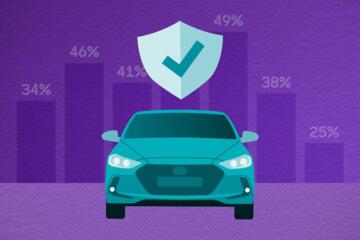
Why Premiums Wwing by Model
Two cars with the same driver profile can land in very different premium brackets. The insurer is pricing expected claim cost, not the sticker price. In the U.S., the Insurance Institute for Highway Safety (IIHS) reports that crashworthiness and vehicle design affect injury risk, which feeds into loss estimates.
Repair cost is a major driver. A modern front-end with advanced driver assistance sensors can require calibration after body work, and that adds labor time. In many shops, calibrations run hundreds of dollars, and the bill grows when parts are backordered.
Skip the “it’s just cosmetic” assumption. Paint and sensor work often trigger a full recalibration cycle.
Vehicle type matters more than many buyers realize. A 2.0-liter turbo sedan and a 3.0-liter SUV can share similar horsepower, yet the SUV’s larger panels, higher ride height, and different crash geometry can change repair time and parts cost. Theft rates also vary by model and trim; insurers track these patterns using historical claims data.
Safety ratings and repair complexity interact. A car with more airbags and crash sensors can reduce injury claims, but it can also increase the cost of replacing deployed components. The net effect depends on the specific model’s claim history.
In 2023, the average U.S. new-vehicle price topped $48,000, and higher vehicle values raise total-loss thresholds. That means insurers may pay off more often when a vehicle is damaged beyond repair, even if the driver’s risk stays the same.
What Buyers Get Wrong
People often compare insurance using only the base trim. That misses how wheels, brakes, and driver-assistance packages change risk and repair cost. A higher trim may add adaptive cruise, lane centering, and radar or camera modules that cost more to replace.
Skip the “same platform, same premium” belief. Insurers price by trim-level equipment and claim outcomes, not by shared sheet metal.
Another common mistake is assuming horsepower alone sets the premium. Insurers care about crash frequency and severity, which correlate with vehicle mass, vehicle height, braking hardware, and how the car behaves in real crashes. A heavier vehicle can be safer for occupants in some crash types, yet it can also cause more expensive damage to other vehicles.
Resale value also matters. If a model depreciates quickly, insurers may expect lower payouts for total losses. If a model holds value, the insurer’s payout can be higher, especially when parts availability is tight.
Real-world consequences show up at renewal time. A $1,200 annual difference can turn into a $100 monthly payment swing, and that changes whether the car fits the budget. It also affects how much you can afford to finance, because lenders often expect you to cover insurance and registration consistently.
Maintenance considerations feed into claims too. If a model’s common failures lead to roadside incidents, insurers may see more towing or rental costs. Reliability data from sources like Consumer Reports and J.D. Power can hint at failure patterns, though insurers do not publish their exact weighting.
Estimate Costs Before Buying
Quote by VIN, not model
Request an insurance quote using the exact VIN or at least the precise trim and options. Insurers price equipment packages and wheel sizes, and those details can change the premium even when the model name stays the same. In practice, a dealer build sheet or the manufacturer’s option list helps you match the quote to the car you’ll actually drive.
Use the insurer’s online tool, then verify with an agent. If the quote changes after you add driver-assistance features, that’s the point—those features can raise repair bills.
Skip the “one quote fits all trims” shortcut. It usually underestimates the cost of sensor-equipped versions.
Check repair parts and labor
Look up typical repair times and parts availability for the specific model year. Body shops often report longer waits when a bumper cover, headlamp assembly, or radar module is on backorder. Longer downtime can raise rental and claim handling costs, which can flow into premiums.
Engine size matters indirectly through packaging. A 3.5-liter V6 may sit behind different cooling hardware than a 2.0-liter turbo, changing how accessible components are after a front-end impact. That affects labor time and the number of parts replaced.
Ask a shop what they see most often. If they mention frequent headlamp replacement or sensor calibration delays, you’re getting a clue about claim cost drivers.
Compare safety tech tradeoffs
Safety systems can reduce injury claims, but they can also increase repair complexity. A car with adaptive cruise and lane centering may use radar, cameras, and steering-angle sensors that require calibration after windshield or front-end work. Calibration costs vary by region and shop, but they commonly run in the hundreds.
In practice, a windshield replacement on a sensor-equipped vehicle can be more expensive than on a base model. If the car uses a camera behind the rearview mirror, the shop may need to recalibrate the camera alignment.
Skip the “more tech always lowers premiums” assumption. The insurer balances injury reduction against higher repair bills.
Account for theft and wheels
Theft risk changes by model and trim, especially when a vehicle has keyless entry, high-demand wheels, or a popular engine variant. Insurers track theft claims and adjust premiums accordingly. If you’re shopping a model known for wheel theft, consider that the replacement cost can be high and claims may be more frequent.
Wheel size also affects repair cost. Larger wheels and lower-profile tires can cost more to replace after curb damage, and tire availability can vary by region.
Ask your insurer whether they rate for wheel theft history. Some carriers ask about anti-theft equipment, and the answer can change the quote.
Model year and depreciation signals
Insurance pricing responds to total-loss frequency and payout size. A newer model with a $40,000–$50,000 replacement value can trigger higher payouts than an older model with a $15,000–$20,000 value. Depreciation trends matter because they affect the insurer’s expected payout.
Resale value can also influence parts sourcing. If a model sells in high volumes, parts may be easier to find, reducing downtime. If a niche trim sells less, parts can be slower to arrive.
Skip the “buy used to cut insurance” belief. Used can help, but a high-value used trim can still cost more than a lower-value new car.
EVs: battery range and repair exposure
EV insurance often reflects battery replacement risk and repair complexity. Battery packs are expensive, and even when the pack is not damaged, related components like thermal management parts can be costly. Range also affects usage patterns; a model rated at 250 miles EPA may be driven farther between charging stops, which can change claim exposure in some regions.
Charging limitations can matter for practical risk. If a vehicle relies on DC fast charging for long trips, and your local network is unreliable, you may end up with more roadside assistance calls. Insurers may treat those as separate claim categories, but the overall loss picture can still shift.
Ask the insurer how they handle EV battery-related claims. Some carriers use specific repair networks for EVs, and that can change costs.
Family fit affects claim likelihood
Cabin practicality affects how people use the car, which can influence claim patterns. A vehicle with three usable rear seats and child-seat compatibility can reduce the temptation to overload or use unsafe seating arrangements. Child-seat compatibility often depends on seat belt geometry and LATCH anchor positions; those details vary by model.
Road-trip comfort can also influence fatigue-related driving. If a car’s cabin noise is high at 70 mph, drivers may avoid long trips or drive differently, which can affect exposure. Noise levels vary widely by model, and it’s measurable in test reports, though insurers do not publish how they use that data.
Skip the “insurance ignores usability” assumption. Usage patterns show up indirectly in claim frequency.
Use deductibles and coverage structure
Adjust deductibles and coverage limits before you sign. A higher comprehensive or collision deductible can lower premiums, but it increases out-of-pocket cost after a claim. If you’re financing, the lender may require collision and comprehensive, and the deductible choice can affect your monthly payment.
In practice, compare quotes with the same deductible and the same coverage set. If one quote includes rental reimbursement and another doesn’t, the premium comparison becomes misleading.
Skip the “lowest premium wins” approach. A low premium with a $1,500 deductible can cost more when you actually file a claim.
Mini Case Examples
A small logistics company bought two SUVs for route work: one with a 2.0-liter turbo and another with a 3.5-liter V6. The V6 SUV carried a higher premium because its trim included adaptive headlights and a larger front-end crash structure, which increased repair bills. After switching to the lower-cost trim and adding a $1,000 deductible, the company reduced annual insurance by about $180 per vehicle. Over 3 years, that’s roughly $1,080 before any changes in claim history.
Skip the “engine size explains everything” story. The equipment package and repair complexity did most of the work here.
Another case involved an EV used for commuting. The fleet manager noticed higher premiums on the long-range variant, which had a higher replacement value and more expensive battery-related components. They moved to a shorter-range version rated around 220 miles EPA and added a charging schedule that kept the car on home Level 2 charging most nights. The premium dropped by about $90 per month per vehicle, while the manager also reduced roadside assistance calls tied to travel days. Results vary by region and insurer, but the pattern matches how payout size and usage exposure can shift.
Checklist for Comparing Quotes
| Item to match | Why it changes price | What to record | Quick target |
|---|---|---|---|
| Exact trim + options | Sensors and wheel packages affect repair bills | Build sheet, VIN, wheel size | Same equipment across quotes |
| Deductibles | Higher deductibles lower premiums | Collision/comp $ amount | Compare at one deductible level |
| Coverage set | Rental and roadside change total cost | Liability limits, rental add-ons | Same limits and add-ons |
| Annual mileage | More miles can raise claim frequency | Estimated miles/year | Use a realistic number |
| Garaging and use | Urban parking and commute patterns matter | Address type, commute length | Match the actual garaging setup |
Common Mistakes and Fixes
Comparing different deductibles
Why it happens: shoppers see two premiums and assume the difference is the car. Impact: a $500 deductible quote can look cheaper than a $1,000 deductible quote, even when the coverage is otherwise identical. How to avoid it: lock collision and comprehensive deductibles to the same numbers before you compare.
Skip the “close enough” math. One deductible mismatch can erase the signal you’re trying to measure.
Quoting after the purchase
Why it happens: buyers focus on monthly payment and delay insurance until financing is finalized. Impact: you may discover the premium is $120–$250 higher per month, forcing a rushed trim change or a higher down payment. How to avoid it: request quotes before you sign, using the exact trim and VIN when possible.
Real-world aside: I’ve seen buyers bring a build sheet to the finance office, then learn the insurer priced a different wheel package.
Ignoring sensor-equipped trims
Why it happens: driver-assistance options sound like convenience, not repair exposure. Impact: windshield and front-end repairs can trigger camera or radar calibration, raising claim costs. How to avoid it: compare the same safety tech level across vehicles, or ask the insurer how the premium changes when you add adaptive cruise or lane centering.
Skip the “it’s only a camera” belief. Calibration and parts pricing can still be expensive.
Assuming EVs are always cheaper
Why it happens: some people expect EVs to cost less because they have fewer oil-related failures. Impact: premiums can rise due to battery replacement exposure and specialized repair labor. How to avoid it: compare EV trims with the same range class and verify whether the insurer uses EV-specific repair networks.
Charging limitations can also affect usage patterns, which can change claim frequency over time.
Overestimating resale value protection
Why it happens: buyers assume a strong resale market automatically lowers insurance. Impact: insurers price total-loss payouts based on replacement cost and claim history, not just resale trends. How to avoid it: ask the insurer how they estimate total-loss value for that model year, then compare quotes across model years with similar mileage.
Depreciation trends can help, but they don’t override the insurer’s payout model.
FAQ
Why does the same driver pay more for one trim?
Trim-level equipment changes repair cost and claim handling. A higher trim can add adaptive headlights, radar or camera modules, and larger wheels, which raise parts pricing and calibration labor. Insurers also track claim frequency by trim because certain option combinations correlate with higher repair rates. To compare fairly, quote the exact trim and options using the VIN or build sheet, and keep deductibles and coverage limits identical across quotes.
Do safety ratings always lower insurance premiums?
Safety ratings can reduce injury claims, but premiums also reflect repair complexity. A vehicle with more airbags and crash sensors may cost more to repair after a moderate impact, even if it performs well in crash tests. Some models show lower injury risk but higher property damage costs, so the net premium effect varies. The best approach is to compare quotes for the specific model year and trim, not just the safety rating headline.
How do EV battery and range affect insurance?
EV premiums often reflect battery replacement exposure and specialized repair labor. Battery packs are expensive, and even when the pack is not damaged, related components like thermal management parts can be costly. Range estimates, such as an EPA rating near 250 miles versus 220 miles, can influence driving patterns and claim exposure, though insurers do not publish a simple formula. Ask your insurer how they handle EV repairs and whether they require specific repair networks.
Does higher horsepower raise premiums automatically?
Horsepower alone rarely explains premium differences. Insurers focus on crash frequency and severity, which correlate with vehicle mass, braking hardware, vehicle height, and how the car is used. A 2.0-liter turbo with 250 hp can still cost less than a heavier SUV with 300 hp if the SUV has higher repair costs or higher theft rates. Use VIN-based quotes and compare trims with similar equipment to isolate the effect.
What can I do to reduce insurance without changing cars?
Start with deductibles and coverage structure. Raising collision and comprehensive deductibles can reduce premiums, but confirm you can afford the out-of-pocket cost after a claim. Keep rental and roadside add-ons consistent when comparing quotes. Also verify garaging details and annual mileage; overstating miles can raise premiums, while accurate numbers can lower them. If you have safety features, ask whether the insurer credits them, but confirm the quote changes before you rely on it.
Author's Insight
Insurance pricing follows expected claim cost, so the vehicle’s repair profile matters as much as its crashworthiness. A model with advanced driver-assistance sensors can reduce injury risk yet still cost more after windshield or front-end damage due to calibration and parts pricing.
Repair complexity shows up in the real world as downtime. When a shop waits weeks for a headlamp assembly or a sensor module, the claim cost rises, and insurers adjust premiums over time.
EVs add another layer: battery-related components raise replacement exposure, and repair labor can be more specialized. Range class can influence usage patterns, but the biggest premium swing usually comes from payout size and repair logistics.
For buyers, the practical step is to quote the exact VIN and compare deductibles and coverage sets side-by-side, then decide based on total monthly cost plus realistic out-of-pocket risk.
What to Remember
Model-specific premiums come from repair cost, theft patterns, and total-loss payout size, not from the driver’s record alone. Skip broad assumptions like “more safety tech always lowers costs” or “EVs are cheaper,” because trim equipment and repair logistics change the outcome.
Next steps: request VIN-based quotes for the exact trim you plan to buy, match deductibles and coverage limits, and ask how sensor-equipped repairs are handled. If the premium difference is large, consider changing trim equipment rather than switching to a different model name.
Limits: insurers do not disclose their full rating formulas, so you can’t predict the exact premium. If you see a quote that seems inconsistent, ask for a written explanation of rating factors and correct any garaging or mileage errors.
Seek professional help if the decision affects a financed purchase or you’re dealing with claim disputes. A licensed insurance agent can clarify coverage structure, while a body shop can estimate repair complexity for the specific trim you’re considering.