Christopher L. Mercer


Risk Management Strategist | Actuarial Standards

Mr. Mercer examines the financial implications of automotive engineering. He analyzes how specific design choices—such as the placement of ADAS sensors in impact zones or the repairability of carbon-fiber structures—directly correlate with insurance premiums and total-loss risk.

 
"A vehicle's true value isn't just in its performance, but in its financial resilience. My work ensures that engineering innovation doesn't become a liability for the owner or the insurer."
 

Editorial Methodology

  • Statistical correlation of IIHS crash-test data with global parts-availability indices
  • Modeling total cost of ownership (TCO) and insurance volatility
 

Professional Credentials

Fellow of the Casualty Actuarial Society (FCAS)
Certified Professional Actuary

M.S. in Risk Management
Wharton School of the University of Pennsylvania


Focus Areas:

Impact-damage mitigation modeling
Salvage value forecasting
Liability risk for semi-autonomous systems

Christopher L. Mercer

Latest Articles

Insurance 29.03.2026

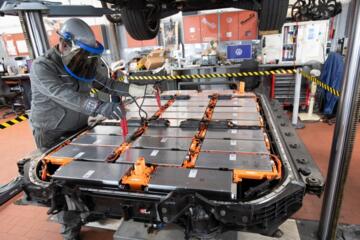
Diminished Value Claims After Battery Pack Repairs

This guide addresses the significant financial gap left behind after an electric vehicle undergoes major battery pack repairs or structural refurbishment. We explore why a "perfect" repair doesn't restore a car’s resale market value and how owners can quantify this inherent loss. This analysis is designed for EV owners and fleet managers seeking to recover thousands of dollars in lost equity through professional appraisal and strategic claims.

Read » 329
Insurance 30.03.2026

Cyber Insurance for Connected Cars: Protecting Against Hacking Risks

Modern vehicles have evolved into sophisticated data centers on wheels, exposing drivers and manufacturers to unprecedented cyber vulnerabilities ranging from remote engine immobilization to data breaches. This guide explores the critical role of specialized automotive cyber insurance in mitigating financial and operational risks associated with connected vehicle ecosystems. We examine specific policy protections, real-world breach scenarios, and technical defense strategies for individual owners and fleet operators navigating the 2026 digital landscape.

Read » 496
Insurance 30.03.2026

Replacing Glass with Built-in Sensors: Why Insurance Costs are Rising

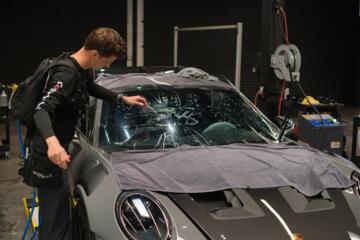
The modern automotive landscape has shifted from simple tempered glass to complex data-gathering surfaces, integrating Advanced Driver Assistance Systems (ADAS) directly into the windshield. This transition has caused a significant spike in vehicle insurance premiums due to the specialized labor and recalibration equipment required after a standard replacement. This article explores why a simple crack now costs thousands of dollars to fix, providing actionable insights for vehicle owners and fleet managers to mitigate rising repair expenses.

Read » 302
Insurance 31.03.2026

Claiming for Software Malfunctions: Is it a Mechanical or Tech Failure?

Modern vehicles are essentially rolling data centers, where software governs everything from fuel injection to emergency braking. This guide clarifies the critical distinction between mechanical wear and algorithmic errors to help owners navigate warranty claims and insurance disputes. By identifying the root cause of system glitches, drivers can secure appropriate repairs through authorized service networks or manufacturer recalls.

Read » 215
Insurance 01.04.2026

Charging Station Damage: Who is Liable for Electrical Surges?

Electrical surges during EV charging represent a high-stakes legal and technical intersection that can result in catastrophic battery failure or fried onboard chargers. This guide clarifies the liability chain between charge point operators (CPOs), grid providers, and vehicle manufacturers for owners and fleet managers facing equipment damage. By analyzing hardware safeguards and insurance recovery paths, we provide a roadmap for navigating the aftermath of a "fried" EV and securing compensation.

Read » 331
Insurance 02.04.2026

Insuring EV Batteries: Understanding Total Loss Thresholds

As electric vehicles (EVs) dominate the modern automotive landscape, a critical financial friction point has emerged: the disproportionate cost of battery replacement relative to vehicle value. This guide explores the technical and economic "Total Loss" thresholds that insurance adjusters use to decide whether to repair or scrap an EV after a collision. We provide actionable insights for owners and fleet managers to navigate claims involving damaged high-voltage packs and how to advocate for repairability in an era of "black box" battery diagnostics.

Read » 439
Insurance 04.04.2026

How ADAS Features Impact Insurance Premiums in 2026

As we move through 2026, Advanced Driver Assistance Systems (ADAS) have shifted from luxury add-ons to standard requirements that fundamentally rewrite the insurance contract. For vehicle owners and fleet managers, the central conflict lies in a paradox: while technologies like Automatic Emergency Braking (AEB) reduce collision frequency by up to 39%, the cost to repair those same systems has surged, often leading to higher base premiums despite a cleaner driving record. This article explores how to navigate the 2026 insurance landscape, leveraging safety tech to secure discounts while mitigating the "tech-tax" associated with modern vehicle repairs.

Read » 358
Insurance 05.04.2026

GAP Insurance for Luxury EVs: Navigating Steep Depreciation Curves

High-end electric vehicles (EVs) face a unique financial threat: the intersection of rapid technological obsolescence and aggressive price volatility. For owners of premium battery-powered cars, standard comprehensive insurance often falls short, leaving a massive "equity gap" during a total loss event. This guide explores how specialized financial protection bridges the chasm between a vehicle’s depreciated market value and its remaining loan balance, ensuring that a single accident doesn't lead to a five-figure personal loss.

Read » 171