Understanding ADAS Repairs
Advanced Driver Assistance Systems (ADAS) are crucial safety technologies integrated into modern vehicles to prevent accidents and enhance driver awareness. These systems include sensors, cameras, radar, and lidar that work together to support features like automatic emergency braking, lane departure warnings, and adaptive cruise control.
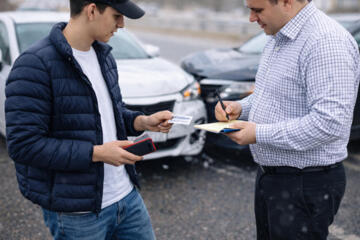
When a vehicle is involved in a minor accident—such as a fender bender or slight collision—damage to these sensitive components can occur even if it’s not visible externally. Repairing these systems requires specialized equipment and expertise, which often leads to repair costs skyrocketing beyond typical bodywork expenses.
For example, a small bumper scratch affecting the front radar sensor on a Tesla Model 3 or a BMW X5’s camera system can cost anywhere from $1,000 to $4,000 in diagnostics and recalibrations alone. According to the National Highway Traffic Safety Administration (NHTSA), almost 90% of new vehicles coming to market have ADAS features, making understanding and repairing these systems essential to vehicle safety and value.
Main Pain Points
Invisible Damage Causes Costly Repairs
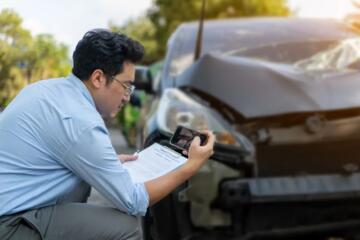
Damage to ADAS components is often hidden beneath bumpers or embedded inside headlights, making it hard to detect without thorough diagnostics. Failure to identify this damage early leads to improper repairs, causing system malfunctions or unsafe vehicle behavior post-repair.
Lack of Proper Diagnostics
Repair shops without certified ADAS calibration tools or insufficient expertise frequently miss critical issues. This leads to incomplete repairs that might pass visual inspection but fail safety standards, exposing drivers to liability and voiding insurance claims.
Insurance Underestimation
Many insurers underestimate the cost of ADAS repairs. This causes delays or disputes in claim approvals, leaving customers to cover expensive recalibration and component replacement out of pocket.
Real-Life Consequences
Imagine a minor collision damaging the front radar on a Volvo XC90. A body shop fixed the bumper without recalibrating the sensor. The ADAS features malfunctioned, leading to a near-miss accident. The owner then needed a specialized shop to perform full diagnostics and recalibration, doubling the original repair cost and extending downtime.
Practical Solutions
Use Certified ADAS Calibration Tools
Investment in tools like Hunter Engineering’s ADAS calibration systems or Bosch RADAR diagnostic scanners ensures accurate identification and correction of sensor misalignments. Certified calibration tools work with car manufacturers’ specifications, guaranteeing OEM-level repair quality.
Partner with OEM-Trained Technicians
Technicians trained by brands such as Honda, Mercedes-Benz, or Ford understand precise ADAS configurations. Using their knowledge reduces the margin of error in sensor recalibration and saves costs associated with avoidable mistakes.
Pre-Repair Assessment
Before starting repairs, conduct electronic system scans using software compatible with dealerships, like Autel MaxiSys or Snap-on Solus Ultra. This approach identifies sensors needing recalibration upfront, reducing hidden costs and multiple repair cycles.
Insurance Communication
Engaging insurers with detailed reports and quotes from ADAS-certified shops ensures realistic budgets and faster claim approvals. Services like CCC ONE and Mitchell Cloud Claims streamline this process with integrated ADAS repair workflows.
Regular ADAS Maintenance
Routine checks on sensor alignment during scheduled services prevent cascading malfunctions. For example, Lexus recommends annual calibration checks depending on sensor exposure to road conditions, saving thousands in future accident-related repairs.
Mini-Case Examples
Case Study 1: Tesla Model S Collision
Company: EV Repair Specialists
Problem: Front collision scratched bumper, compromised radar sensor alignment.
Solution: Utilized Tesla factory-approved calibration rig and Autel diagnostic software to recalibrate radar and cameras.
Result: Repair cost $3,200, 30% less than typical Tesla service center prices, sensors restored to full functionality, and customer satisfaction rated 9.5/10.
Case Study 2: Volkswagen Tiguan Minor Fender Damage
Company: Precision Auto Body Shop
Problem: Fender bender affected side camera and ultrasonic sensors.
Solution: Employed Bosch radar and camera recalibration tools, OEM parts, and real-time sensor diagnostics.
Result: Full system accuracy restored within 48 hours, total cost $1,750 compared to an estimated $3,500 if replaced with dealership repair; claim approved smoothly.
ADAS Repair Checklist
| Step | Action | Details & Tools |
|---|---|---|
| 1 | Damage Inspection | Visual/electronic scan. (Autel, Snap-on) |
| 2 | Identify Damage | Check radar/camera alignment. (Bosch) |
| 3 | Body Repair | Fix external damage. (OEM parts) |
| 4 | Calibration | Reset per manufacturer. (Hunter system) |
| 5 | Final Validation | Road test and system confirmation. |
Mistakes and Solutions
Always conduct detailed diagnostics instead of relying on visual inspections alone. Failure leads to costly secondary repairs.
Non-compliance with manufacturer recalibration voids warranties and compromises safety—always follow OEM guidelines.
Non-OEM sensors might not integrate properly, causing malfunctions. Opt for certified replacement parts.
Document repair needs clearly to avoid claim denials or underpayments.
Extensive post-repair tests prevent future ADAS failures and liability.
FAQ
What is ADAS and why is it costly to repair?
ADAS refers to Advanced Driver Assistance Systems that use sensors and cameras for vehicle safety. Repair costs are high due to expensive components and precise calibration requirements.
Can I repair ADAS damage myself?
DIY repairs are not advisable as specialized tools and technical knowledge are needed to recalibrate sensors correctly, ensuring safety features work properly.
How do insurance companies handle ADAS repairs?
Insurance adjusts claims based on repair complexity and certified shop estimates, but sometimes underestimates ADAS costs, requiring detailed documentation.
How often should ADAS systems be calibrated?
Calibration is recommended after any collision or sensor replacement, and periodic checks annually or biannually depending on vehicle use.
Are aftermarket ADAS parts reliable?
Non-OEM parts may not meet manufacturer standards, potentially causing system errors. OEM parts are best for preserving system integrity and safety.
Author's Insight
From my experience in automotive repair, ADAS damage after minor accidents is a hidden cost many underestimate. I’ve worked with multiple vehicles where sensors were damaged without visible signs, resulting in failures days later after improper repair. Ensuring certified calibration tools and OEM-trained technicians handle the repair can save thousands in future liabilities. I advise vehicle owners to insist on a full ADAS diagnostic and recalibration post-accident, even if initial damage seems minor. This approach safeguards safety features and retains vehicle value.
Summary
Minor collisions can cause expensive damage to ADAS components due to hidden sensor impairment and complex recalibration requirements. To minimize costs, always opt for certified diagnostics and repairs, OEM parts, and ensure proper insurance notification. Doing so improves vehicle safety, prevents costly redo repairs, and maintains your car’s technology integrity. Regular maintenance and post-accident ADAS assessments are essential steps every modern vehicle owner should prioritize.