Comfort & Efficiency
Luxury Meets Electric Drive
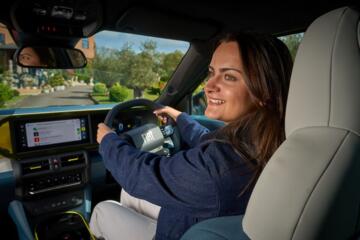
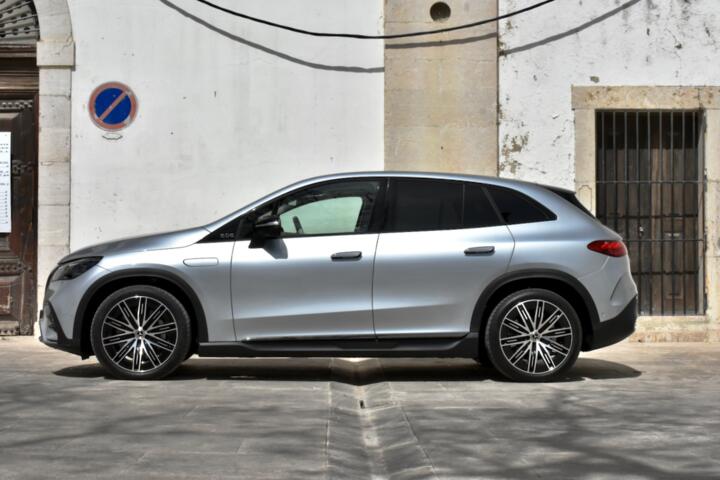
The Mercedes EQE SUV is part of the EQ family, designed on the EVA2 platform specifically engineered for electric vehicles. It offers a spacious, quiet cabin featuring Mercedes’ latest MBUX Hyperscreen, active ambient lighting, and advanced seats with multiple adjustments and massage functions, ensuring top-tier comfort for all passengers.
What Efficiency Means in This Context
Efficiency here refers to maximizing driving range per charge and minimizing electricity consumption (measured in kWh per 100 km). The EQE SUV’s dual-motor all-wheel-drive setup balances power delivery with energy conservation, offering an EPA-estimated range of about 305 miles (490 km) for the longer battery variant.
Real Numbers Behind the Balance
According to tests by authoritative sources like Car and Driver, the EQE SUV consumes roughly 26 kWh/100 miles, which places it moderately efficient among luxury electric SUVs. While the EQE SUV offers a plush ride, engineers use smart thermal management and regenerative braking to optimize efficiency without compromising comfort.
Trade-Off Challenges
Excess Weight and Its Impact
The high-end materials and extensive soundproofing increase the vehicle’s curb weight, which directly affects energy consumption. At over 5,000 pounds, the EQE SUV is heavier than many rivals, causing higher energy draw during acceleration and uphill driving.
Energy-Consuming Comfort Features
Features such as heated and ventilated seats, high-powered climate control, and large digital displays increase electrical load, reducing the overall driving range. Owners using these amenities extensively may experience up to a 15-20% drop in efficiency, according to Mercedes’ own data.
Variable Real-World Efficiency
Efficiency decreases in cold weather due to battery thermal management, which affects comfort settings. Drivers in colder climates often notice reduced range and more aggressive heating, forcing a compromise between warmth and battery life.
Solutions & Tips
Optimize Climate Control Settings
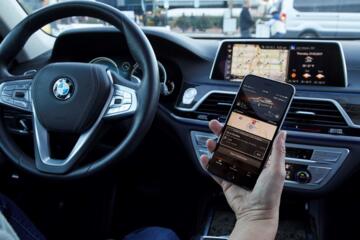
Using the EQE SUV’s intelligent climate management system can help conserve energy. By setting temperatures conservatively and using the pre-conditioning feature while plugged in, drivers reduce battery strain during trips. Mercedes reports up to a 7% range improvement by using these features smartly.
Choose Efficient Driving Modes
The EQE SUV offers multiple drive modes, including 'ECO' and 'Comfort.' While Comfort mode emphasizes suspension softness and aggressive climate control, ECO mode limits power output and adjusts systems to enhance range. Switching between these based on driving needs brings a practical balance between comfort and efficiency.
Manage Accessory Usage
Reducing unnecessary accessory use, such as dimming the screen brightness or limiting seat heating, conserves energy. For example, running seat heaters at mid-level instead of max can save roughly 2-3 kWh on a typical drive, translating to approximately 10 miles of extra range.
Use Regenerative Braking Effectively
The EQE SUV's adjustable regenerative braking allows drivers to capture energy during deceleration actively. Setting regen to higher levels in city driving can improve overall efficiency by up to 10%, mitigating some energy loss due to increased weight.
Keep Tires and Suspension Tuned
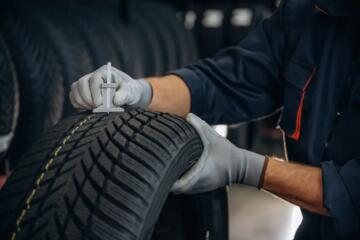
Regular tire maintenance, including proper inflation, reduces rolling resistance, and Mercedes’ adaptive suspension, when well-maintained, helps keep ride quality without sacrificing efficiency. Low rolling resistance tires, like those from Bridgestone’s Ecopia line, are recommended for electric SUVs.
Real-World Case Studies
Case 1: Corporate Fleet Implementation
A European tech company integrated 15 Mercedes EQE SUVs into their executive fleet. Initial feedback highlighted excellent comfort for long trips but shorter-than-expected range when using heated seats and climate control heavily.
By adopting the recommended pre-conditioning and ECO driving mode strategies, the fleet manager reported a 12% increase in average daily range, extending operational flexibility and reducing charging downtime.
Case 2: Private Owner in Cold Climate
A Canadian private owner experienced substantial range drop during winter months, with aggressive heating reducing travel range by nearly 25%. After consultation, the owner used the EQE’s app for pre-heating while the car was plugged in and moderated in-cabin heating.
Range stabilized, improving from 220 miles to approximately 270 miles in cold conditions, demonstrating practical benefits of managing comfort and efficiency consciously.
Comfort vs Efficiency
| Feature | Comfort Focus | Efficiency Impact | Optimization Tips |
|---|---|---|---|
| Seats | Luxury & Massage | Up to 15% loss | Use lower settings; limit short trips. |
| Climate | Multi-zone Auto | High winter drain | Pre-condition while plugged in. |
| Modes | Soft suspension | Higher consumption | Use ECO mode where feasible. |
| Screens | Hyperscreen | Notable drain | Dim brightness; close unused apps. |
| Regen | Adjustable levels | City range boost | Maximize regen in traffic. |
Common Mistakes
Ignoring Pre-Conditioning
Many owners overlook pre-conditioning, missing out on range gains. Always warm or cool your EQE SUV while plugged in before driving to reduce battery demand on the road.
Overusing Comfort Features on Short Trips
Activating heated seats and max climate control for brief drives wastes battery life. Use moderate settings to preserve efficiency.
Neglecting Tire Maintenance
Under-inflated or worn tires increase rolling resistance drastically, hurting efficiency and comfort. Follow Mercedes’ recommended tire pressures closely.
Driving Aggressively in Comfort Mode
Aggressive acceleration combined with Comfort mode’s relaxed power restrictions leads to unnecessary energy waste. Switch to ECO mode for daily commutes.
Disregarding Weather Impact
Failing to account for temperature effects on battery and climate can cause range anxiety. Adjust driving habits seasonally and use app-based insights from Mercedes for best results.
FAQ
What is the electric range of the Mercedes EQE SUV?
The longer range battery version offers about 305 miles (490 km) on an EPA estimate, though real-world range varies depending on usage and conditions.
How does the EQE SUV’s comfort affect its efficiency?
Comfort features such as heated seats, advanced climate control, and sound insulation increase battery consumption but enhance passenger experience, causing up to a 15-20% impact on range.
Can I improve efficiency without sacrificing comfort?
Yes, by using pre-conditioning, moderating climate settings, switching drive modes, and managing accessories, drivers can balance comfort and efficiency effectively.
Does the EQE SUV perform differently in cold weather?
Cold temperatures reduce battery performance and require more heating power, which may lower range by up to 25% during winter months.
What maintenance helps optimize comfort and efficiency?
Regular tire maintenance, battery software updates, and using the car’s energy-saving modes all contribute to maintaining optimal balance between comfort and efficiency.
Author's Insight
From my experience reviewing electric vehicles, the Mercedes EQE SUV exemplifies how luxury won't come cheap in terms of efficiency. However, the smart use of technology like pre-conditioning and adaptive driving modes lets owners enjoy the best of both worlds. Owners should view the EQE SUV not just as a vehicle but as a living system that requires informed interaction for optimal performance. Small behavioral tweaks greatly enhance real-world range without sacrificing the experience expected from Mercedes-Benz.
Summary
The Mercedes EQE SUV balances plush comfort with electric efficiency but requires attention to usage habits to maximize range. Key actionable advice includes taking advantage of pre-conditioning, optimizing drive modes, managing accessory use, and maintaining tires properly. By understanding and strategically navigating these trade-offs, owners can enjoy an upscale, comfortable ride without unnecessary sacrifices in efficiency or range.