Visibility And Livability
Livability in a car often comes down to how quickly you can see what matters: traffic signals, lane markings, pedestrians, and hazards near the curb. When sightlines degrade, the driver compensates by slowing down, widening scanning, and re-checking mirrors more often, which raises mental load. That load shows up as earlier fatigue on long commutes and more frequent “micro-corrections” in parking and merging. Visibility also affects how predictable the car feels, because you spend less time guessing at distances and more time confirming what you already saw.
Visibility is not only about darkness. It changes with rain streaks, headlight glare from oncoming vehicles, sun angle at dawn and dusk, and the way mirrors and camera views compress depth. Even a small difference in windshield height, wiper coverage, or mirror placement can change how often you lean or tilt your head. I once tested a dashcam setup on 2024-11-03 and noticed how a slightly tinted windshield made the camera look clearer than the driver’s direct view, which is a reminder that “recorded clarity” and “driven clarity” do not always match.
Main Visibility Pain Points
People often treat visibility as a single feature, then blame the car when the real dependency is a chain of parts working together. Windshield geometry, wiper design, glass coatings, mirror angles, and lighting output all interact. A car can have bright headlights and still feel hard to drive if glare control is poor or if the wipers smear at the edges of the driver’s sightline.
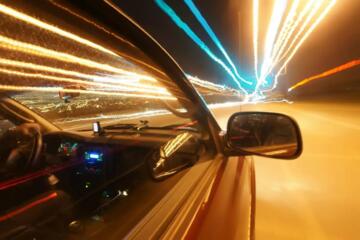
Glare is a frequent hidden driver of discomfort. Headlights, LED daytime running lights, and even reflective road signs can create veiling glare that reduces contrast. Contrast loss makes lane lines and brake lights harder to read, so the driver’s brain spends extra effort separating signal from background. In practice, glare control depends on headlight aim, lens cleanliness, and the windshield’s ability to reduce reflections; it also depends on whether the driver uses the correct headlight mode and whether the vehicle’s automatic high-beam system behaves well in your typical routes.
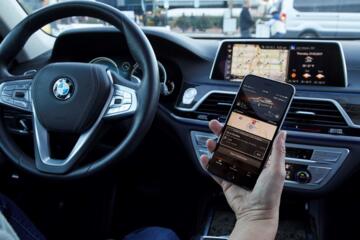
Camera-based systems add another dependency layer. Rearview cameras, 360° views, and blind-spot displays rely on sensor placement, calibration, and software processing. A camera can show a crisp image while still misrepresenting distance because the view is projected onto a screen with perspective correction. That mismatch matters most when you park near curbs, tow a trailer, or drive with a loaded trunk that changes the vehicle’s pitch. Many systems also have a “dynamic” overlay that can hide small objects; the driver must learn what the overlay covers and what it does not.
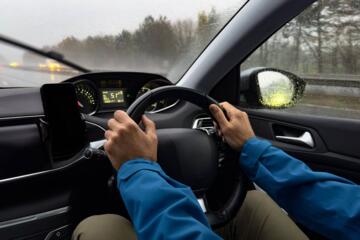
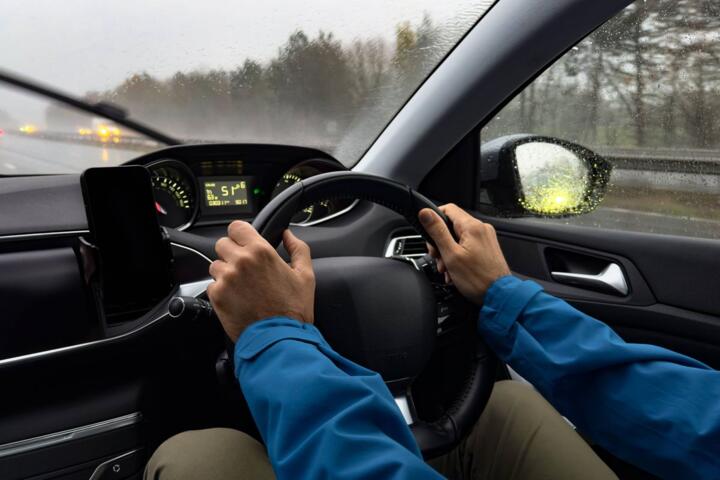
Lighting and weather create a third set of issues. Rain and snow change how light scatters through the air and across the glass. Wiper performance varies by blade type, refill interval, and whether the washer fluid includes a winter additive. If the car uses a rain-sensing wiper system, the sensor’s placement and sensitivity can cause delayed wiping, which turns a minor drizzle into a persistent smear across the driver’s line of sight.
Solutions And Practical Advice
Clean Glass And Set Wipers
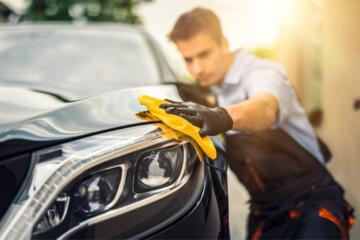
Start with the surfaces that control contrast. Use a dedicated glass cleaner and a microfiber cloth, then finish with a second pass using a dry cloth to remove streak residue. Replace wiper blades when they leave streaks or chatter; a blade that still “moves” can still smear. If your car has rain-sensing wipers, test them in a safe area with light spray and note whether they activate early enough for your typical windshield contamination. For winter use, choose washer fluid rated for your local temperature range; many drivers skip this and then wonder why the first wipe looks worse than the last.
For a quick check, hold a flashlight at a low angle across the windshield while parked. You can often see micro-scratches and coating failures that create haze under headlights. That haze reduces contrast at night even when the glass looks clean in daylight.
Dial Mirrors And Scan Habits
Mirror adjustment is a livability lever because it reduces head movement and shortens the time between “looking” and “confirming.” Set mirrors so you can see the lane edge and the road behind without leaning forward. If your car uses memory seats, adjust mirrors after seat position changes, not before. Blind-spot monitoring helps, but it does not replace scanning; the sensor coverage has limits around A-pillars, tall vehicles, and narrow lanes.
A practical method is to do a slow lane-change drill in a low-traffic area and watch how often you need to re-check. If you find yourself turning your head repeatedly, the mirrors likely force extra work. I’ve seen drivers fix this in under five minutes by moving the passenger mirror slightly outward, then re-learning the new blind-spot “shape” over the next few drives.
Use Lighting Modes Correctly
Headlight livability depends on correct aim and correct mode selection. Check that the car’s automatic high-beam system works on your roads; some systems struggle with bright storefronts or reflective signs. If the car has adaptive headlights, confirm whether the feature is active in your driving mode and whether it behaves predictably on curves.
Clean headlight lenses and ensure the lenses are not clouded. Clouding increases scatter and reduces effective beam contrast. If you replace bulbs, use the manufacturer-recommended type; mismatched bulbs can change beam pattern and glare for other drivers. Aiming issues also matter: a small vertical mis-aim can shift glare into your own eyes or reduce usable range.
Learn Camera Overlays And Limits
Camera systems can reduce stress in tight spaces, but they require calibration of expectations. Treat the image as a guide, not a ruler. Screen overlays can hide the exact edge of a curb or the base of a pole, and the camera’s wide-angle lens exaggerates lateral clearance. When parking, use the camera for alignment and then confirm with direct sight and mirror checks before committing to steering input.
If the car supports multiple camera views, compare them in the same maneuver. Some vehicles show a “top-down” 360° composite that looks stable but can lag by a fraction of a second; that lag matters when you move quickly. If you notice delayed overlays, slow down during the first few parking attempts until your timing matches the system response.
Case Examples For Real Use
Rainy Commute With Smear
A commuter drives a route with frequent light rain and road salt. The driver reports that night visibility feels worse than daytime, even when the windshield looks clean. The cause is a combination of wiper blade wear and washer fluid that leaves residue on the glass. After replacing blades and switching to a winter-rated washer fluid, the driver sees fewer streaks during the first wipes and reports less head movement when checking lane edges at speed.
This scenario shows how livability changes when contrast returns. The car did not gain new sensors; it regained a clearer optical path.
Parking With 360° View
A driver uses a 360° camera system in a garage with bright overhead lighting. The top-down view makes the parking lines look accurate, but the driver still clips a low curb during tight turns. The driver then learns that the curb edge sits outside the overlay’s most reliable area because of camera mounting height and lens distortion. After slowing the maneuver, using the side mirrors for the last steering correction, and turning off the most distracting overlay during the final inch, the driver stops hitting the curb.
This scenario highlights a common mismatch: the composite view can look “confident” while the last few inches still require direct confirmation.
Visibility Checklist And Tradeoffs
| Check | What You Look For | What Improves | Tradeoff / Limit |
|---|---|---|---|
| Windshield clarity | No streaks, low haze under headlights | Contrast for lane lines and brake lights | Coatings can fail; cleaning may not fix scratches |
| Wiper performance | Even wipe, no chatter, no edge smear | Reduced glare and better night visibility | Rain-sensing timing can lag on light spray |
| Mirror setup | Lane edge visible without leaning | Less head movement, faster confirmation | Blind-spot sensors do not cover all angles |
| Headlight aim | No excessive glare to others; usable beam | Longer readable range at night | Aim changes with load; bulbs can drift |
| Camera overlay learning | Know what the overlay hides | Lower stress in tight parking | Wide-angle distortion and lag near the bumper |
Step-by-step checklist for a quick “livability audit” on a normal day:
- Park in a garage or shaded area and inspect windshield haze under a flashlight at a low angle.
- Run wipers for two cycles and watch the driver’s sightline edge for streaks or missed areas.
- Adjust mirrors after seat position changes, then do one slow lane-change to verify scanning effort.
- Test headlight behavior on a familiar road segment with automatic high-beam on and off.
- Practice one parking maneuver using camera overlays, then repeat with overlays reduced to learn the blind spots.
Common Mistakes That Reduce Trust
Drivers often blame the car’s “visibility” when the real issue is maintenance. Wiper blades that smear, washer fluid that leaves residue, and headlight lenses with oxidation all degrade contrast without changing any dashboard feature. Another common mistake is assuming camera images match real distances; the wide-angle lens and screen projection create systematic distortion, so the driver must learn the vehicle’s specific behavior.
Some owners also misjudge glare by focusing on brightness alone. A brighter headlight can increase glare for other drivers and still reduce your own contrast if aim or lens condition is off. If you notice halos in your own mirrors or discomfort after a short drive, you may be dealing with glare and scatter rather than “not enough light.”
Finally, people sometimes treat driver-assist overlays as a substitute for scanning. Blind-spot alerts and lane guidance can fail in edge cases like narrow lanes, unusual vehicle heights, or temporary sensor occlusion from dirt. The livability goal is fewer surprises, which comes from combining tools rather than trusting a single display.
FAQ
How does windshield tint affect visibility?
Tint can reduce glare and heat, but it can also change perceived contrast at night. If the tint is uneven or the glass has micro-scratches, headlights may create haze that makes lane markings harder to read.
Do rain-sensing wipers improve sightlines?
They can reduce driver workload, but their timing depends on sensor placement and how quickly the sensor detects droplets. If the system delays wiping on light spray, streaks accumulate and night visibility worsens.
Why do cameras look clearer than my eyes?
Cameras use image processing, exposure control, and wide-angle optics that can make the screen look sharper than direct sight. Screen clarity does not guarantee accurate distance perception near curbs or the bumper.
What headlight issues most affect livability?
Lens clouding, incorrect aim, and dirty headlight housings often reduce usable contrast more than bulb wattage. Glare control also depends on lens condition and beam pattern alignment.
How can I test visibility without special tools?
Use a flashlight at a low angle to check windshield haze, run wipers and watch for streaks in the driver’s sightline, and do one controlled night drive on a familiar road to compare comfort and contrast.
Author's Insight
Visibility affects livability because it changes the driver’s cognitive workload: clearer sightlines reduce re-checking and shorten the time between observation and action. The biggest gains often come from optical maintenance—glass cleanliness, wiper condition, and headlight lens clarity—rather than from adding new electronics. Camera systems can reduce stress in parking, yet they introduce projection distortion and overlay coverage that the driver must learn. A practical approach treats visibility as a system: optics, lighting, mirrors, and user habits working together, then verified with a short set of repeatable tests.
Key Takeaways
- Livability improves when contrast stays high: clean glass, good wipers, and clear headlight lenses matter more than raw brightness.
- Glare and smear reduce readability of lane lines and brake lights, which increases fatigue on longer drives.
- Mirrors and scanning habits reduce head movement and speed up confirmation when traffic conditions change.
- Camera overlays help in tight spaces, but distance perception near edges still needs mirror and direct sight checks.
- Use a repeatable checklist to verify changes on your own roads, since sensor behavior and glare patterns vary by route.