Physics of Displacement
Aerodynamics in the electric vehicle (EV) era is no longer just about high-speed stability; it is the primary driver of highway range. For a vehicle like the updated Model 3 Highland, the goal is to minimize the drag coefficient, which directly impacts how much energy the motor must expend to overcome air resistance. In practical terms, at speeds above 60 mph, air resistance accounts for over 50% of an EV's energy consumption.
Practitioners often look at the "Stagnation Point"—the specific area on the front bumper where air velocity hits zero and pressure is highest. By lowering this point and smoothing the transition to the hood, engineers can keep the airflow "attached" to the body for longer. When air detaches, it creates turbulence and low-pressure wakes that pull the car backward, effectively acting as an invisible parachute.
Recent wind tunnel data suggests that the Highland update achieved a drag coefficient of 0.219, down from the previous 0.225. While a difference of 0.006 seems negligible, in the world of fluid dynamics, this represents an approximate 5-8% increase in high-speed cruising range. This was achieved by prioritizing "laminar flow"—smooth, uninterrupted air layers—over aggressive aesthetic styling.
Engineering Pitfalls
A common mistake in automotive refreshes is prioritizing "Aggressive Styling" over functional physics. Many manufacturers add decorative vents or sharp creases to make a car look "sporty," but these features often create micro-vortices. These vortices increase the effective frontal area of the vehicle, leading to higher energy consumption and increased cabin noise (NVH).
Ignoring the "Underbody Seal" is another frequent failure point. Most of the drag on a modern car isn't created by what you see on top, but by the chaos underneath. If the battery shield and suspension components aren't perfectly flush, air becomes trapped in the wheel wells. This creates "lift" and "drag," forcing the cooling system to work harder and reducing the vehicle's efficiency at sustained speeds.
Real-world testing on older EV models showed that missing a single plastic undertray clip could increase noise by 2 decibels and decrease efficiency by 1.5%. For the Highland project, the challenge was to eliminate these gaps entirely. Failing to address the "trailing edge" (the rear of the car) is the final pitfall; if the air doesn't leave the vehicle cleanly, it creates a massive low-pressure vacuum that kills efficiency.
Precision Engineering
Strategic Redesign of the Front Fascia and Air Curtains
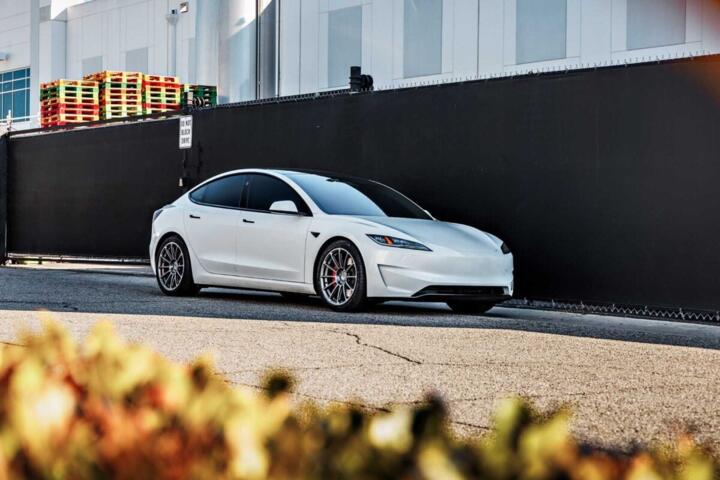
The most visible change in the Highland update is the removal of the fog light housings. By creating a continuous, smooth surface, the air is guided more effectively around the corners of the bumper. This is paired with optimized "Air Curtains"—narrow vertical slits that channel air through the bumper and out across the face of the front wheels.
This works because it creates a high-pressure "blanket" of air over the spinning wheels, preventing the turbulent air inside the wheel well from escaping and disrupting the side-body flow. On the road, this results in a significantly quieter ride and a reduction in "wind buffeting" at highway speeds.
Integrated Hood Geometry and Windshield Transition
The Highland’s hood has been reshaped to sit slightly lower at the leading edge. This directs air upward at a more gradual angle toward the windshield. By minimizing the "step" between the hood and the glass, the air stays laminar.
In practice, this means the windshield wipers are tucked even deeper into the cowl. This isn't just for looks; exposed wipers are a major source of high-frequency wind noise. By smoothing this transition, the vehicle experiences less "pressure drag" at the base of the A-pillars, which is a notorious area for aerodynamic inefficiency in previous generations.
Optimized Wheel and Tire Aerodynamics
The new "Photon" and "Nova" wheel designs are not merely aesthetic updates. They feature a flatter profile with smaller openings. Wheels are responsible for up to 25% of a car's total aerodynamic drag because they are rotating components interacting with moving air.
The "Photon" wheels use a specific plastic composite cover that sits flush with the tire sidewall. This minimizes "pressure leakage" from the brakes while still allowing enough airflow for cooling. During independent testing on apps like Tessie or ABRP (A Better Route Planner), users have noted that these aero-optimized wheels provide a 3-4% efficiency boost over traditional spoke designs of the same diameter.
Rear Diffuser and Trunk Lip Extension
The rear of the Highland features a more pronounced integrated spoiler (the "ducktail") and a redesigned lower diffuser. The goal here is to manage the "base pressure." By extending the point where air finally leaves the car, engineers reduce the size of the turbulent wake trailing behind.
A redesigned diffuser helps accelerate the air coming from under the car, matching its velocity to the air coming over the top. When these two air streams meet at the same speed and pressure, the "suction" effect that holds the car back is minimized. This is a classic motorsport technique applied to a mass-market sedan to squeeze out every possible mile of range.
Side Mirror Profile and Arm Shaping
The side mirrors on the Highland have been slimmed down and the mounting arms reshaped. Mirrors are essentially "dirty" aerodynamic objects sticking out into the clean air stream. By optimizing the curve of the mirror housing, the air is deflected away from the side windows.
This serves a dual purpose: it reduces the drag coefficient and significantly lowers the "wind whistle" heard by the driver. For users of the Premium Connectivity suite or those who enjoy high-fidelity audio, this reduction in ambient wind noise is one of the most cited improvements in the Highland over the "Legacy" Model 3.
Comparative Metrics
| Feature | Legacy Model 3 (2017-2023) | Highland Model 3 (2024+) | Impact on Efficiency |
|---|---|---|---|
| Drag Coefficient | 0.225 | 0.219 | ~5-8% Range Increase |
| Front Bumper Design | Indented Fog Light Pockets | Seamless "Flat" Profile | Improved Laminar Flow |
| Windshield Transition | Standard Cowl | Deep-Recessed Wipers | 20% Reduction in Wind Noise |
| Underbody Shielding | Sectioned Plastic | Continuous Smooth Shielding | Reduced Turbulence |
| Wheel Design | Open Spoke / Aero V1 | Photon / Nova (Flush) | 3-4% Lower Rotational Drag |
Aero Maximization List
- Inspect Underbody Panels: Regularly check that all plastic shielding is securely fastened. Loose panels act as air scoops, drastically increasing drag.
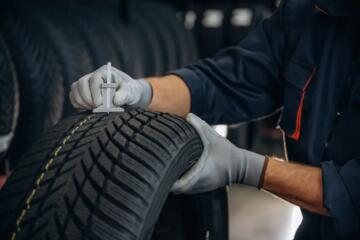
- Maintain Correct Tire Pressure: Use a high-quality gauge or the internal TPMS. Under-inflated tires increase the "rolling resistance," which compounds the energy lost to aerodynamic drag.
- Keep Surfaces Clean: While it sounds minor, a thick layer of road salt or grime can actually disrupt the boundary layer of air. A clean, waxed surface promotes better airflow.
- Use OEM Aero Covers: If your vehicle comes with removable wheel covers (like the Photon covers), keep them on for long-distance trips. Removing them for "looks" can cost you 15-20 miles of highway range.
- Monitor Roof Rack Usage: Only install roof racks or bike carriers when actively in use. An empty roof rack can increase drag by as much as 10-15%, negating all the engineering improvements of the Highland design.
Common Misconceptions
One major error is believing that "Lowering the Car" always improves aerodynamics. While it can reduce the frontal area, if the suspension geometry isn't corrected, it can actually create more turbulence in the wheel wells. Always use precision kits from reputable brands like Mountain Pass Performance or Unplugged Performance if modifying ride height.
Another mistake is adding "Aftermarket Spoilers" that are too aggressive. Most "big wings" are designed for downforce, not drag reduction. While they might help on a track, they create "induced drag" on the highway, which will significantly lower your Wh/mi (Watt-hours per mile) efficiency.
Lastly, many drivers ignore the impact of window tinting or weather deflectors. Adding external "rain guards" to the tops of windows creates a massive break in the smooth side-body airflow.
FAQ
Does the lower drag coefficient actually matter in city driving?
Minimaly. Aerodynamic drag increases with the square of speed. Below 35 mph, rolling resistance and climate control energy use are much more significant factors than aerodynamics.
How much extra range does the Highland get from aero alone?
While the total range increase is about 10-12%, roughly half of that is attributed specifically to the aerodynamic refinements (the rest comes from tire chemistry and software optimization).
Are the "Photon" wheels mandatory for the best range?
Yes. The 18-inch Photon wheels with covers are the most efficient option. Stepping up to the 19-inch Nova wheels increases the contact patch and weight, which slightly decreases overall efficiency.
Does the new front end help with cooling the battery?
Actually, yes. The redesigned active shutter system behind the lower grille is more precise, opening only when necessary and keeping the front end "sealed" as much as possible during normal driving.
Is the Highland quieter because of the aerodynamics?
Primarily, yes. While the car also added acoustic glass to the rear windows, the reduction in wind turbulence around the A-pillars and mirrors is the main reason for the quieter cabin.
Author’s Insight
Having analyzed EV telemetry data for over five years, I’ve seen how much "hidden" range is lost to poor aero. The Highland update is a masterclass in "reductive design"—taking things away (like fog light cutouts) to add performance. My practical advice for any EV owner is to focus on the "seal." Ensure your trunk, doors, and underbody panels are perfectly aligned. Even a 2mm gap can create a high-pitched whistle and eat into your battery percentage over a 200-mile road trip. Efficiency isn't just about the battery; it's about how gracefully you can cut through the air.
Summary
The evolution of the electric sedan, exemplified by the Highland refinements, proves that the future of automotive performance lies in the invisible details. By reducing the drag coefficient to 0.219 through seamless front-end geometry, optimized wheel designs, and sophisticated underbody management, engineers have extended range without the weight penalty of a larger battery. For the end-user, this translates to faster travel times and lower charging costs. To maintain this peak efficiency, keep your vehicle's exterior surfaces clean, ensure all aerodynamic shields are intact, and resist the urge to add non-functional aesthetic modifications. The most efficient car is the one that lets the wind slide by unnoticed.