Propulsion Paradigm Shift
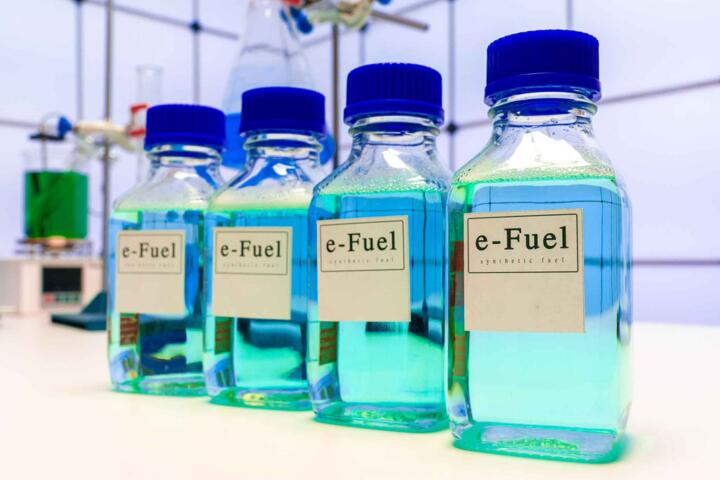
The automotive world is currently split between the silent torque of electrification and the mechanical symphony of traditional engineering. While battery electric vehicles (BEVs) dominate the mass market, they present a weight penalty that often compromises the agility of track-focused machines. Synthetic fuels, or e-fuels, represent a "drop-in" solution where liquid hydrocarbons are created using renewable energy, captured carbon dioxide, and hydrogen.
Practically, this means a car built decades ago or a modern supercar can run on a fuel that is chemically identical to high-octane gasoline but has a net-zero carbon footprint. In 2023, the European Union officially carved out an exemption for e-fuels in its 2035 ban on new internal combustion engines, signaling a massive shift in regulatory acceptance. Porsche’s pilot plant in Haru Oni, Chile, is already producing these fuels, proving that the technology has moved from theoretical chemistry to tangible, high-octane reality.
Recent data indicates that e-fuels can reduce CO2 emissions by up to 85% to 95% compared to conventional fossil fuels when looking at the full lifecycle. For a high-performance engine, e-fuels often provide a cleaner burn due to the absence of impurities like sulfur and aromatics found in crude oil.
Transition Pain Points
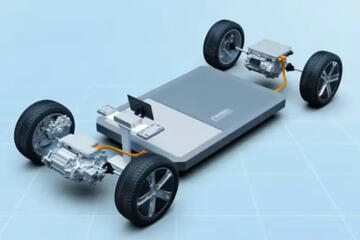
The primary mistake currently being made is the assumption that electrification is the only path to sustainability. This "one-size-fits-all" approach ignores the immense carbon debt created during battery manufacturing and the logistical nightmare of recycling millions of tons of lithium-ion cells. For high-performance brands, the "weight-to-fun" ratio is being destroyed by battery packs that can weigh upwards of 700kg.
Another pain point is the "legacy fleet" problem. There are over 1.3 billion internal combustion vehicles on the road today. Scrapping these vehicles prematurely would be an environmental disaster in terms of manufacturing waste. Owners of classic and high-performance cars face the looming threat of being "priced out" or regulated off the road due to fuel scarcity and emissions taxes.
Real-world situations show that in regions with underdeveloped charging infrastructure, high-performance EVs lose their utility. Furthermore, the loss of acoustic feedback—a core component of the driving experience in high-performance segments—is leading to a decline in brand loyalty among traditional petrolheads.
Strategic Speed Solutions
Optimizing High-Compression Ratios for Synthetic Octane
E-fuels can be engineered to have a higher octane rating than standard pump gas (often exceeding 100 RON). This allows engineers to push ignition timing and increase compression ratios without the risk of detonation. In practice, this means a naturally aspirated engine can actually produce more power on e-fuel than on premium fossil fuels.
To maximize this, manufacturers are looking at advanced Engine Management Systems (EMS) like those from Bosch or Motec that can sense fuel composition in real-time. By using "Flex-Fuel" style sensors, a performance car can adjust its maps to take full advantage of the cleaner, more stable burn of synthetics.
Scaling Direct Air Capture (DAC) Infrastructure
The "green-ness" of e-fuel depends entirely on where the carbon comes from. Companies like Climeworks and Carbon Engineering are pioneering Direct Air Capture technology. By pulling CO2 directly from the atmosphere and combining it with "green" hydrogen produced via PEM electrolysis, the fuel becomes a closed-loop system.
For the performance sector, this justifies the continued use of multi-cylinder engines. The result is a fuel that can be distributed through existing gas station networks, such as Shell or ExxonMobil, without requiring a trillion-dollar overhaul of the global electrical grid.
Reducing Production Costs Through Geolocation
The current cost of e-fuel is high—roughly $10 to $12 per gallon. However, by placing production facilities in wind-rich regions like Patagonia or sun-drenched areas like the Middle East, the cost of the electricity required for electrolysis drops significantly.
Industry analysts predict that by 2030, the cost of e-fuel could drop to approximately $2.00 per liter. This makes it a viable luxury product for high-performance car owners who are already accustomed to paying a premium for high-grade racing fuels or specialized additives.
Retrofitting Classic Performance via Modern Fuel Mapping
One of the most effective ways to utilize e-fuels is through retrofitting older performance cars. By replacing rubber gaskets and fuel lines with modern fluoropolymer-lined hoses (from brands like Goodridge), older engines become fully compatible with synthetic blends.
This works because e-fuels lack the corrosive ethanol often found in modern "bio-fuels." For a vintage Porsche 911 or a Ferrari Testarossa, this means the engine runs cooler and the fuel system remains clean, preserving the vehicle's value while making it environmentally compliant.
Implementing Circular Economy Racing Series
High-performance development has always been driven by motorsport. Series like Formula 1 have committed to 100% sustainable fuels by 2026. This is not just PR; it is a rigorous testing ground. When a Mercedes-AMG or Ferrari F1 engine maintains 1,000+ horsepower on synthetic fuel, the technology trickles down to road-going supercars.
Using racing as a "beta test" ensures that the fuel can handle extreme thermal loads and high-pressure injection systems. This builds consumer confidence, showing that if it works at 15,000 RPM, it will work in a daily-driven grand tourer.
Practical Case Studies
Case Study: The Chilean Wind-to-Fuel Project
A major German sports car manufacturer partnered with HIF Global and Siemens Energy to open the Haru Oni plant in Chile. The problem was the threat of future ICE bans in Europe. They utilized the constant Patagonian winds to power turbines, generating green hydrogen.
By 2024, the plant was producing 130,000 liters per year, used initially in the Mobil 1 Supercup racing series. The result was a nearly carbon-neutral race season, proving that high-performance engines require zero internal modifications to run on e-fuels.
Case Study: Sustainable Aviation Fuel (SAF) Technology Transfer
While not a car company, Neste has provided the blueprint for e-fuel scaling. By refining waste fats and oils into renewable diesel and jet fuel, they proved that liquid fuels can be decarbonized.
Automotive tuners have begun using Neste’s renewable components to create "Racing Eco-Fuels." In testing, these fuels showed a 3% increase in torque in turbocharged engines due to the higher oxygen content and cooler combustion temperatures compared to traditional 98-octane gasoline.
Specs & Compatibility
| Fuel Type | Octane (RON) | CO2 Reduction | Retrofit Needed? | Best Application |
|---|---|---|---|---|
| Standard Gasoline | 95-98 | 0% | No | Daily Commuters |
| E85 (Ethanol) | 105+ | 50-70% | Yes (Injectors/Lines) | Drag Racing/Tuners |
| Synthetic e-Fuel | 100-102 | 85-95% | No | Supercars/Classics |
| Hydrogen (ICE) | N/A | 99% | Extensive (Storage) | Specialized Prototypes |
Avoiding Common Mistakes
One major error is treating e-fuel as a "magic bullet" that requires no maintenance oversight. While e-fuels are cleaner, they are still solvents. Owners of older high-performance cars often forget that switching fuel types can dislodge old deposits in the fuel tank, leading to clogged filters. Always replace fuel filters 500 miles after switching to a synthetic blend.
Another mistake is ignoring the "Carbon Intensity" (CI) score. Not all synthetic fuels are created equal. If the hydrogen used in the fuel is "Grey Hydrogen" (derived from natural gas), the environmental benefit is negated. Enthusiasts should look for "Green" or "Gold" certified fuels to ensure they are actually contributing to a net-zero goal.
Finally, many believe that e-fuels will replace EVs entirely. This is unlikely. E-fuels are a high-density energy solution for specific use cases—performance, long-distance, and aviation. Trying to market them for budget economy cars is currently a losing battle due to production costs.
FAQ
Can I put e-fuel in my current performance car without modifications?
Yes. E-fuels are designed as "drop-in" replacements. They meet the same EN228 standards as mineral gasoline, meaning your ECU, injectors, and fuel pumps will recognize it as standard high-octane fuel.
Does e-fuel smell the same as regular petrol?
It is very similar but generally cleaner. Because e-fuels lack sulfur and aromatics like benzene, the exhaust gases are significantly less pungent and contain fewer particulates, which is a major plus for older cars without catalytic converters.
Why aren't we seeing e-fuel at every gas station yet?
Scaling is the issue. We are currently in the "industrial pilot" phase. It requires massive investments in renewable energy infrastructure to make the fuel cost-competitive with fossil fuels. Expect to see it at specialty hubs and race tracks first.
Will e-fuel save the manual transmission?
Indirectly, yes. By allowing the internal combustion engine to survive, the mechanical connection of a manual gearbox remains viable, as EVs almost exclusively use single-speed transmissions.
Does e-fuel affect engine longevity?
Early testing suggests it may actually improve it. The lack of carbon buildup on valves and the absence of acidic byproducts in the oil mean that engines stay cleaner internally over long periods.
Author’s Insight
In my years tracking the evolution of powertrain technology, I’ve seen many "saviors" of the ICE come and go. However, e-fuels feel different because they leverage the existing trillions of dollars of infrastructure we already have. My advice to collectors and performance enthusiasts is simple: don't sell your analog cars yet. We are entering an era where "liquid electricity" will allow us to enjoy the mechanical roar of a V10 without the environmental guilt. The future isn't just about batteries; it's about the chemistry of carbon-neutral combustion.
Summary
The future of high-performance motoring is not a choice between extinction and electrification. Synthetic fuels provide a sophisticated third path that respects automotive heritage while meeting modern environmental mandates. By focusing on green hydrogen production, direct air capture, and high-octane engineering, the industry is ensuring that the most exciting cars ever built remain relevant. For the enthusiast, the actionable takeaway is clear: support the development of e-fuel infrastructure and prepare your vehicles for a transition to cleaner, more efficient synthetic power.