Principal Systems Architect | Future Mobility & ADAS Executive Profile: Dr. Kendrick oversees the technical evaluation of emerging vehicle platforms, with a focus on Level 4 autonomous sensor integration and high-voltage power electronics. His analysis prioritizes the structural scalability of gigacasting techniques and the thermal management of solid-state battery prototypes. Methodology: - Predictive modeling of next-generation vehicle systems - Pre-production technical teardowns - Lifecycle viability assessment of software-defined vehicles (SDVs) Technical Credentials: - Ph.D. in Mechatronics — California Institute of Technology (Caltech) - Former Lead Systems Engineer — Aerospace Propulsion Systems Core Competencies: - LiDAR sensor fusion - 800V architecture efficiency - OTA (Over-the-Air) security protocols
Author
Dr. Michael J. Kendrick
Latest Articles
What’s new
23.03.2026
Solid-State Batteries: When Will the Range Anxiety Finally End?
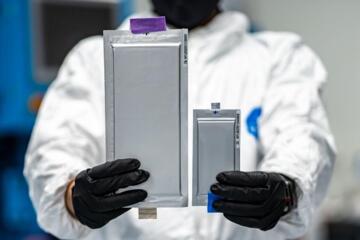
This deep dive explores the transition from liquid-electrolyte lithium-ion cells to solid-state architecture, a shift that promises to double electric vehicle (EV) ranges and slash charging times to under 15 minutes. We examine the engineering hurdles of dendrite formation and interface stability that have delayed mass adoption, providing a realistic roadmap for commercial integration. By analyzing current pilot production lines and material science breakthroughs, this article serves as a definitive guide for investors, engineers, and early adopters awaiting the end of mileage-related stress.
What’s new
23.03.2026
The Shift to 800V Architecture: Why it Matters for Charging Speed
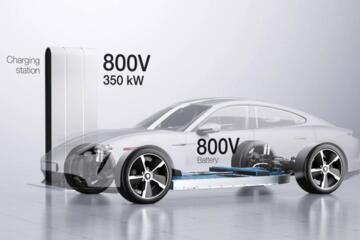
The electric vehicle industry is undergoing a fundamental engineering pivot from traditional 400-volt systems to high-voltage 800V architectures. This transition addresses the primary barrier to mass adoption: charging latency and thermal inefficiency during high-performance cycles. For drivers and fleet operators, this means cutting recharge times by half and increasing sustained power output, effectively bridging the utility gap between internal combustion engines and sustainable mobility.
What’s new
23.03.2026
Euro NCAP 2026 Standards: New Requirements for Active Safety Systems
The 2026 update to European vehicle safety protocols marks a radical shift from passive protection to proactive digital intervention. This guide analyzes the stringent new mandates for Advanced Driver Assistance Systems (ADAS), focusing on Child Presence Detection (CPD), V2X communication, and enhanced Vulnerable Road User (VRU) protection. Manufacturers and fleet managers must adapt to these benchmarks to maintain five-star ratings and ensure regulatory compliance in an increasingly autonomous landscape.
What’s new
23.03.2026
Hydrogen Combustion Engines: Toyota’s Alternative to Full Electrification
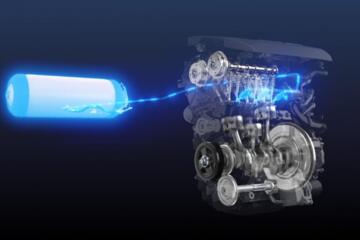
The automotive industry is facing a critical crossroads as it attempts to balance carbon neutrality with the practical demands of heavy-duty hauling and enthusiast driving. While battery electric vehicles (BEVs) dominate the current market, a Japanese manufacturing giant is pioneering the Internal Combustion Engine (ICE) modified to burn compressed hydrogen gas rather than fossil fuels. This approach aims to preserve the existing manufacturing infrastructure and emotional engagement of traditional engines while eliminating CO2 emissions. It offers a strategic lifeline for the legacy supply chain and a viable solution for long-range, high-output transport where battery weight becomes a physical liability.
What’s new
24.03.2026
Software-Defined Vehicles (SDV): How Over-the-Air Updates Change Ownership
The transition toward programmable transportation architectures is redefining the relationship between drivers and their vehicles by decoupling hardware lifecycles from software functionality. This evolution addresses the rapid obsolescence of traditional automotive electronics through cloud-native integration and seamless wireless data transfers. For owners, this means a shift from a static depreciating asset to a dynamic platform that improves over time through continuous feature deployment and remote diagnostics.
What’s new
24.03.2026
The Rise of Level 3 Autonomous Driving: Legal and Technical Milestones
The transition from driver assistance to conditional automation marks the most significant shift in automotive engineering since the invention of the internal combustion engine. This guide explores the technical architecture and regulatory hurdles of eyes-off-the-road technology, specifically for manufacturers and tech-forward consumers. We address the "handover" problem—the critical seconds where a machine must return control to a human—and provide a roadmap for navigating the current legal landscape.
What’s new
24.03.2026
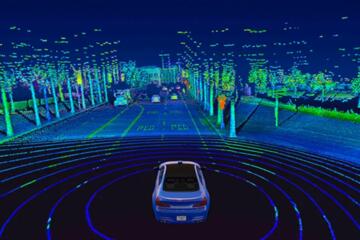
Next-Gen LiDAR Sensors: Improving Object Detection in Adverse Weather
This deep dive explores how emerging laser scanning technologies are overcoming the traditional "blind spots" of autonomous vehicles—specifically snow, heavy rain, and dense fog. We analyze the shift from mechanical scanning to solid-state and FMCW architectures, providing automotive engineers and fleet managers with a technical roadmap for sensor integration. By examining real-world performance metrics and signal processing advancements, this guide clarifies how to achieve Level 3+ autonomy in unpredictable climates.
What’s new
24.03.2026
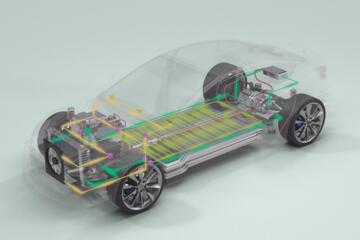
BMW’s Neue Klasse Platform: A Deep Dive into Modular Engineering
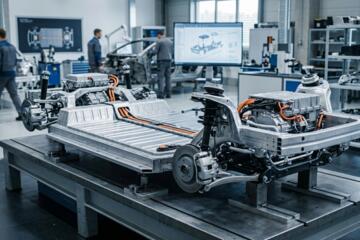
This deep dive explores the radical shift from flexible internal combustion platforms to a dedicated, high-voltage digital foundation. Designed for automotive engineers, tech enthusiasts, and industry analysts, it addresses the critical bottleneck of "legacy weight" in electric vehicle production. By stripping away the compromises of multi-fuel chassis, this new architecture optimizes energy density, software integration, and structural rigidity to redefine the premium driving experience for the 2025–2030 era.