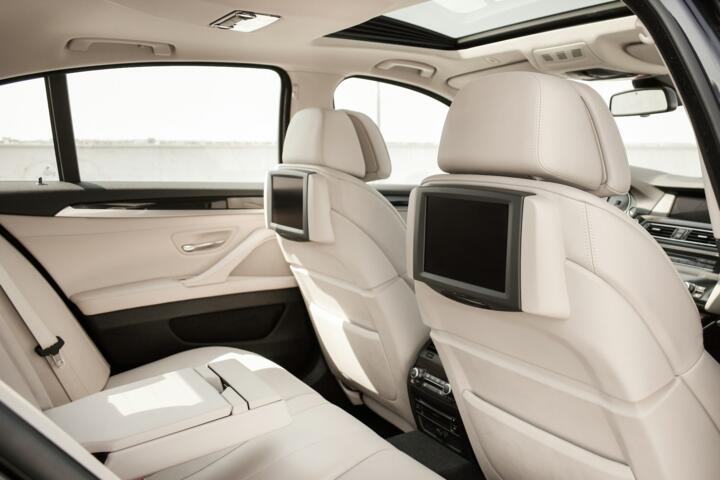
Interior quality, in Practice
Interior quality shows up after months, not during the showroom walk-through. A cabin that feels tight on day 1 can rattle by year 3 if the dash mounts, fasteners, or foam layers are wrong. The same car can also feel quieter or louder depending on door seal compression and underbody insulation.
Cabin noise is measurable. Many vehicles target around 65–75 dB(A) at highway cruise, but the spread between models can be 5–10 dB(A), which listeners perceive as a large change. Panel gaps also matter: even a 1–2 mm difference across a trim line can correlate with wind noise and water intrusion over time.
Vehicle type changes the interior problem. A pickup like the Ford F-150 spends more time with bed dust and mud tracked inside, so floor coatings and seal design get tested. A compact EV like the Nissan Leaf runs HVAC differently, so you hear blower noise and see how well the cabin manages heat soak. A family SUV such as the Honda CR-V often gets child-seat installs, so latch geometry and seat belt routing become part of “quality,” not just comfort.
Skip the marketing photos. They hide how materials age under sunlight and how trim clips survive temperature swings.
What Buyers Get Wrong
People often judge interior quality by surface appearance: glossy plastics, stitched seams, or a “soft-touch” label. Those cues can be real, but they do not predict how the dash pad flexes, how the headliner sags, or how the seat foam holds shape after 30,000 miles.
Another mistake is ignoring sound paths. A cabin can have decent materials and still feel cheap if the door seals leak air at speed. Wind noise often starts around the A-pillar and mirror area, then grows as seals compress and the weatherstrip takes a set.
Consequences show up in ownership costs. If a trim rattle forces repeated dealer visits, the time cost can exceed the price of a set of floor mats. If a touch screen fails early, the repair bill can be hundreds to over a thousand dollars depending on the module and labor time, and warranty coverage varies by region and model year.
Real-world example: a 2019 Toyota RAV4 owner may notice a squeak from the center console after winter temperature cycles. The fix can be as small as re-seating a harness clip, but the diagnosis time is what costs money. That pattern repeats across brands.
Skip the “looks fine” checklist. It misses the parts that fail first.
Judge It Before Buying
1) Check panel fit and gaps
What to do: open and close every door, then inspect the dash-to-A-pillar seam and the trunk or tailgate perimeter in daylight. Look for uneven gaps and trim that sits proud on one side. Why it works: misalignment usually means different mounting tolerances or clip seating, which can lead to wind noise and water leaks. What it looks like: a consistent gap line across both sides, with no trim “step” when you run a fingernail along the edge. Tools: a phone flashlight and a thin plastic trim tool to gently feel edges. Outcome target: no more than about 1–2 mm variation you can spot without squinting.
2) Test switch feel and travel
What to do: operate window switches, mirror controls, and the HVAC fan knob or buttons ten times each, then press again after a short pause. Why it works: early wear shows up as looseness, inconsistent detents, or delayed response. What it looks like: crisp click points and consistent resistance, not a mushy center. Tools: none beyond your hand, but do it with the engine off and on to catch vibration-induced noise. Numbers: if a switch feels different after 10–20 presses, you are already sensing poor tolerance control.
3) Measure cabin noise at cruise
What to do: during a test drive, find a steady 60–70 mph stretch and note perceived noise changes with windows up. Why it works: cabin noise is a system result—door seals, glass thickness, and underbody insulation. What it looks like: stable noise level with minimal “hiss” changes when you lightly press the door edge. Tools: a smartphone sound meter app can help, but treat it as directional. Outcome target: a difference of 5 dB(A) is noticeable; aim for the quieter car in the lot, not the one with the flashier trim.
4) Inspect seat foam and bolsters
What to do: sit in the driver seat for 2–3 minutes, then stand up and feel the bolster shape. Why it works: foam density and upholstery stretch determine how quickly seats lose support. What it looks like: bolsters that do not collapse immediately and a cushion that does not bottom out when you shift weight. Tools: a tape measure for seat-to-steering clearance and a quick check for lumbar adjust range. Numbers: if the seat cushion bottoms within a short time, expect faster wear on long trips.
5) Verify child-seat fit points
What to do: check LATCH/ISOFIX anchor locations and whether the seat belt path interferes with a child seat base. Why it works: interior geometry affects installation time and safety. What it looks like: clear access to anchors and a seat belt that locks cleanly without twisting. Tools: bring the child seat manual or at least the model name, then compare to the vehicle’s anchor spacing. Outcome target: you should be able to tighten the base without fighting the belt routing for more than a few minutes.
6) Evaluate HVAC noise and airflow
What to do: set fan to low, medium, and high, then listen for whine or rattles from the dash. Why it works: blower motor design and ducting quality show up as tonal noise, not just volume. What it looks like: smooth fan ramp and no clicking from blend doors. Tools: use the climate controls while parked, then repeat at 30–40 mph to catch resonance. Numbers: a noticeable tonal peak at one fan speed often points to a blower or duct resonance that dealers may not reproduce easily.
7) Check floor materials and water management
What to do: look at carpet backing, door sill seals, and whether the floor has drain paths. Why it works: water intrusion and trapped moisture degrade adhesives and cause odor. What it looks like: clean seams, intact sound deadening, and weatherstrips that compress evenly. Tools: a flashlight and a quick look under the mats; if possible, run a small amount of water in a controlled way during inspection. Outcome target: no gaps where water can pool near the pedals or seat rails.
8) Read warranty coverage for interior parts
What to do: ask for the bumper-to-bumper and powertrain warranty terms, then focus on electronics and trim-related coverage. Why it works: touchscreens, infotainment modules, and some sensors are often covered under different terms than mechanical parts. What it looks like: clear exclusions for wear items and a defined term for defects. Tools: the warranty booklet or the manufacturer’s warranty page for that VIN’s model year. Numbers: compare term length in years and mileage; many warranties run 3 years/36,000 miles or 5 years/60,000 miles for basic coverage, but it varies by brand and model.
Mini Case Study: What Changed
Case 1: Fleet sedans with door rattle
Company: a regional delivery firm ran 48 compact sedans with high daily mileage. Problem: door rattle appeared around 20,000–25,000 miles, especially on cold mornings, and drivers reported it as “annoying” rather than safety-related. What they did: they switched to a trim package with revised door seal design and added a pre-delivery inspection step for door fastener torque. Result: rattle complaints dropped by roughly 60% over the next 12 months, and the average dealer visit count per vehicle fell from about 1.2 to 0.5.
Cost note: the change cost more upfront, but reduced labor time and downtime. Even a 0.7 fewer visits per vehicle can matter when each visit costs a day of scheduling and a loaner.
Case 2: EV cabin odor after winter
Company: a small car-sharing operator added an EV with a history of winter cabin odor complaints. Problem: moisture trapped under floor mats led to persistent smell and visible discoloration of carpet backing after repeated thaw cycles. What they did: they changed mat type, improved cleaning frequency, and inspected weatherstrip compression at seasonal intervals. Result: odor complaints fell, and replacement mat costs dropped by about 30% over 18 months. The operator still had to address one HVAC drain issue under warranty, which highlighted how interior quality includes drainage design, not just materials.
Lesson: interior quality is a system, and winter exposure tests it fast.
Real Interior Quality Checklist
| Check | What to look for | Why it matters | Pass / fail signal |
|---|---|---|---|
| Panel gaps | Even seams around doors and dash | Predicts wind noise and water paths | Consistent gaps; no trim step |
| Switch feel | Crisp detents, no looseness | Tolerance control and wear | Same resistance after repeated use |
| Cabin noise | Stable hiss at 60–70 mph | Door seals and insulation quality | No sudden noise spikes |
| Seat support | No quick bottoming | Foam density and aging | Bolsters keep shape after shifts |
| Child-seat install | Anchor access and belt routing | Safety and usability | Base tightens without fighting |
| Moisture handling | Clean seams, good weatherstrip compression | Odor and adhesive durability | No pooling near pedals or rails |
Common Mistakes and Fixes
1) Buying by “soft-touch” wording
Why it happens: brochures highlight touch points and hide the rest of the dash structure. Impact: you pay for a surface layer that wears while the underlying mounting still rattles. How to avoid it: press on the dash pad and center stack while driving slowly; listen for creaks. If the dealer refuses a quiet test drive, you already have a clue.
2) Ignoring door seal compression
Why it happens: seals look identical from the outside. Impact: wind noise grows with speed and temperature, and it can mask other issues. How to avoid it: close each door firmly, then compare how the latch feel changes side to side. During the drive, lightly press the door edge near the mirror; if noise changes, the seal path is the weak link.
3) Skipping seat belt and latch geometry checks
Why it happens: buyers focus on seat comfort and forget installation friction. Impact: a child seat that takes 20 minutes to tighten becomes a daily annoyance, and rushed installs raise risk. How to avoid it: bring the child seat manual and verify anchor access. If you cannot route the belt cleanly in one attempt, the cabin geometry is fighting you.
4) Overlooking infotainment heat and vibration
Why it happens: screens look new and smooth, so people assume durability. Impact: touch failures and connector issues can appear after heat cycles and vibration. How to avoid it: run the system for 10 minutes, then check for lag, reboot behavior, or unusual fan noise. If the screen brightness hunts in sunlight, the thermal control strategy may be weak.
5) Treating warranty as a blanket
Why it happens: buyers assume all interior parts share the same coverage. Impact: wear items, trim, and some electronics may fall outside basic terms, turning a small defect into a paid repair. How to avoid it: ask for the exact warranty language for “defects in materials” and “electrical components,” then note the mileage and time limits. Keep the paperwork in the glovebox; dealers move fast, and so do claims.
FAQ
How can I tell if an interior will rattle later?
Rattles usually come from loose trim clips, dash mounts, or door seal paths. During a test drive, tap the dash corners, grab the center stack edges, and listen for squeaks at low speed. Then drive at 35–45 mph over a rough patch if the route allows. If the car already has a buzz from the A-pillar or center console, it often worsens as fasteners settle and foam compresses. A pre-purchase inspection on a used car can also reveal prior repair history.
Do leather seats last longer than cloth?
Leather and synthetic leather age differently. Leather can crack if it dries out, while cloth can mat down and hold odors if the backing absorbs moisture. The real differentiator is seat foam support and the quality of the upholstery backing, not the word “leather.” Check for wrinkles at the bolster seams and for uneven wear patterns on the driver cushion. If the seat has power adjustments, test the full range; worn rails can create creaks that feel like “seat quality” but originate elsewhere.
What interior checks matter most for families?
Families stress the cabin through child-seat installs, frequent entry/exit, and spilled drinks. Focus on latch access, seat belt routing, and whether the rear seat allows a child seat to sit flat without twisting. Verify that the rear doors open wide enough for your child seat footprint. Also check rear HVAC controls and airflow direction; weak ducting can leave the back seats cold or hot. Finally, inspect floor coverage and the ability to clean spills without soaking carpet backing.
How does cabin noise relate to fuel economy?
Cabin noise and fuel economy connect indirectly through aerodynamics and insulation choices. Better door seals and reduced air leaks can slightly improve aerodynamic drag, but the effect on fuel economy is usually small compared with engine efficiency and tire rolling resistance. The bigger link is that insulation and glass choices add weight and can affect efficiency modestly. If you compare two cars, use the same tire type and similar speeds. A 5 dB(A) noise difference is noticeable, but it does not automatically mean a large fuel economy gap.
What interior issues are most expensive to fix?
Infotainment and display modules can be costly because labor time is high and parts may be integrated. Touchscreen failures, wiring harness issues, and HVAC blend-door actuators also add up. Trim rattles can become expensive when diagnosis takes multiple visits. Moisture-related problems, like odor or degraded carpet backing, can require deeper repairs than expected. Before buying, check warranty coverage for electrical components and confirm whether the model has a history of repeated interior complaints.
Author's Insight
Interior quality is mostly about how materials and fasteners behave under heat, vibration, and moisture. A dash that stays quiet at 70 mph usually has good mounting strategy and seal design, not just nicer plastics. Seat foam and upholstery aging show up as support loss and creasing, which you can sense during a short sit test. For EVs, blower noise and cabin heat management become part of “quality” because the thermal system runs differently than many gas cars.
Key Takeaways
Start with measurable checks: panel gap consistency, switch feel after repeated presses, and cabin noise stability at 60–70 mph. Then verify practical ownership factors like child-seat compatibility, floor moisture handling, and warranty coverage for electronics and trim-related defects. If a used car already has a rattle, treat it as a likely recurring issue unless the repair history shows a confirmed fix.
Next step: bring a flashlight, test switches and seat adjustments, and do a short noise-focused drive. If you hear tonal HVAC whine or see uneven trim alignment, ask for the exact repair record before negotiating price. Seek professional inspection if you suspect water intrusion, persistent electrical faults, or repeated trim failures after dealer work.