The Evolution of the Programmable Driving Experience
In the traditional automotive model, a car was at its peak performance the moment it left the dealership. From that point on, both the hardware and the embedded software began a slow decline toward irrelevance. Software-Defined Vehicles (SDVs) flip this script by utilizing a centralized electronic architecture where functions like powertrain management, infotainment, and safety systems are managed by a high-performance computer rather than dozens of isolated Electronic Control Units (ECUs).
Consider the modern braking system. In an SDV, a manufacturer can refine the anti-lock braking algorithm based on fleet-wide data and push an update that physically reduces stopping distances for every car on the road. Tesla famously demonstrated this in 2018 when Consumer Reports flagged the Model 3 for inconsistent braking; a remote firmware tweak improved stopping distance by nearly 20 feet, bypassing the need for a physical recall.
The market impact is staggering. Research from McKinsey suggests that software-driven features and OTA services could generate up to $1.5 trillion in additional value for the automotive industry by 2030. This isn't just about "apps" on a screen; it’s about the underlying physics of the vehicle being governed by code that can be rewritten on the fly.
Critical Friction Points in Modern Automotive Software
The primary pain point for many legacy manufacturers is the "spaghetti code" resulting from decades of incremental hardware additions. Traditional cars often have over 100 ECUs from different Tier-1 suppliers like Bosch or Continental, each running proprietary code. When a brand tries to implement a fleet-wide OTA update, these fragmented systems often fail to communicate, leading to "bricked" vehicles or critical security vulnerabilities.
Security remains a massive anxiety for owners. If a vehicle can receive a performance boost over the air, it can theoretically be compromised by malicious actors. In 2015, the famous "Jeep Hack" revealed how vulnerabilities in the Uconnect system allowed remote access to steering and braking. While that was a wake-up call, many manufacturers still struggle to implement end-to-end encryption and robust code-signing practices, leaving owners caught between the desire for new features and the fear of cyber threats.
Furthermore, the "subscription-ification" of hardware has led to significant consumer backlash. When brands lock pre-installed hardware—like heated seats or rear-wheel steering—behind a monthly paywall, it creates a sense of "renting" rather than "owning." This friction threatens the trust-based relationship required for the SDV model to succeed long-term.
Strategic Recommendations for the Software-First Era
Prioritizing Centralized Compute Architectures
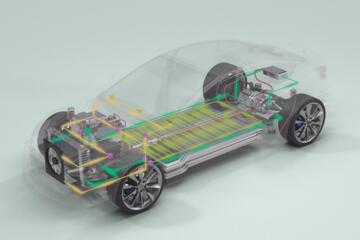
To move away from fragmented ECUs, manufacturers must adopt a "Zonal Architecture." This involves grouping sensors and actuators by their physical location in the car rather than their function. By using a central gateway, such as the NXP S32G vehicle network processor, companies can streamline data flow. For the owner, this results in faster boot times for infotainment and more responsive safety systems.
Implementing Multi-Layered Cybersecurity Protocols
Trust is built through transparency and rigor. Implementation of the ISO/SAE 21434 standard for automotive cybersecurity is no longer optional. Brands should utilize Hardware Security Modules (HSMs) to store cryptographic keys. This ensures that only authenticated firmware from the manufacturer's official servers can be flashed onto the vehicle's memory, preventing man-in-the-middle attacks during the update process.
Adopting a "Function-on-Demand" Value Model
Instead of charging for basic comforts, manufacturers should focus on high-value digital services. This includes advanced ADAS (Advanced Driver Assistance Systems) packages or performance tuning. For instance, offering a "Track Mode" for a weekend at the circuit or an "Off-Road Pro" map for a camping trip provides genuine utility. Services like Cariad (Volkswagen's software arm) are currently iterating on these models to balance profitability with user satisfaction.
Enhancing Battery Management Through Data Loops
For electric vehicle (EV) owners, the SDV model is a lifesaver for longevity. By using Digital Twins—virtual replicas of the vehicle in the cloud—manufacturers can analyze battery degradation patterns. Companies like Geotab provide telematics that allow for "smart charging" updates, which adjust the thermal management system based on the specific climate the car resides in, potentially extending battery life by years.
Seamless User Experience via Integrated Ecosystems
The software shouldn't stop at the car door. Integration with platforms like Apple CarPlay, Android Auto, and even home automation systems via Matter protocol is essential. When a vehicle can talk to a smart garage or pre-condition the cabin based on a Google Calendar entry, it becomes a proactive assistant. This level of integration requires high-speed 5G connectivity, provided by partners like T-Mobile or Verizon, to ensure low-latency communication.
Automated Diagnostic and Predictive Maintenance
The shift from "Check Engine" lights to predictive alerts is the ultimate convenience. Using AI-driven diagnostics, an SDV can detect a failing bearing or a cooling leak weeks before it causes a breakdown. The system can then automatically schedule a service appointment and pre-order the necessary parts, significantly reducing downtime and service costs for the owner.
Standardization of OTA Recovery Mechanisms
Nothing scares a car owner more than a failed update. Implementation of "A/B Partitioning"—where the new update installs on a secondary partition while the car runs on the current one—is vital. If the update fails, the system simply rolls back to the stable version. This "dual-bank" flash memory approach is the industry standard for ensuring that an OTA update never leaves a driver stranded.
Real-World Impact: Mini-Case Studies
Case Study: Performance Optimization
A prominent American EV manufacturer identified through fleet data that a specific motor configuration could handle higher current loads without overheating.
- The Problem: The vehicles were artificially limited in acceleration to ensure safety margins.
- The Action: An OTA update titled "Acceleration Boost" was released for a $2,000 fee.
- The Result: Owners saw 0–60 mph times drop by 0.5 seconds instantly. The manufacturer generated over $100 million in high-margin revenue without a single physical touchpoint.
Case Study: Safety Recall Mitigation
In late 2023, a major luxury brand faced a potential recall involving over 2 million vehicles regarding their autopilot steering monitoring.
- The Problem: Regulatory bodies found the driver-attentiveness alerts insufficient.
- The Action: Instead of a physical recall costing hundreds of dollars per vehicle in labor and parts, the company deployed an OTA update that refined the visual and audible alerts.
- The Result: The "recall" was completed for nearly 90% of the fleet within weeks at a fraction of the cost, ensuring compliance and driver safety almost overnight.
Check-list for the Modern SDV Buyer
Before committing to a software-defined vehicle, use this checklist to ensure the platform is robust:
- Dual-Bank Updates: Does the vehicle support seamless rollbacks if an update fails?
- Connectivity Tier: Is the car equipped with 5G hardware, or is it stuck on aging 4G/LTE?
- Data Privacy: Can you opt-out of data sharing without losing core safety features?
- Hardware Overhead: Does the central computer have enough RAM/CPU headroom for updates 5 years from now?
- Cybersecurity Rating: Does the manufacturer have a documented Vulnerability Disclosure Program (VDP)?
- Resale Value: Are software-locked features transferable to the next owner?
Common Misconceptions and How to Avoid Them
Many buyers assume that more software means more bugs. While complexity does increase, the centralized nature of SDVs actually makes debugging easier than in traditional architectures. To avoid frustration, always ensure your vehicle is connected to a stable Wi-Fi network for large updates, as cellular connections can sometimes time out during massive firmware transfers.
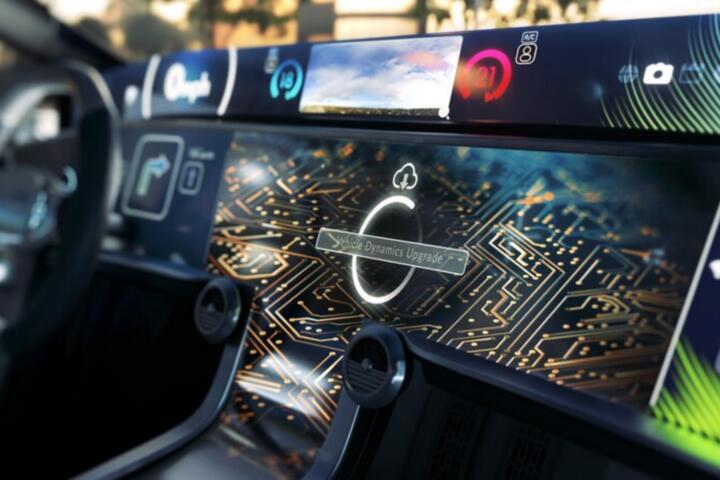
Another mistake is ignoring the privacy settings. Many SDVs track location and driving behavior to improve AI models. If privacy is your priority, navigate to the "Data & Privacy" menu on the infotainment screen (standard in brands like BMW or Volvo) and customize your sharing preferences. You don't have to sacrifice your data to enjoy a modern car.
FAQ
Will my car stop working if the manufacturer goes out of business?
This is a valid concern for "cloud-dependent" cars. Most core driving functions are designed to work offline, but "smart" features like navigation or remote start could be lost if the backend servers go dark.
Do I have to pay for every software update?
Safety and critical bug fixes are almost always free. However, "lifestyle" features—like premium audio tuning or self-driving capabilities—are increasingly moving toward a one-time purchase or subscription model.
Can an OTA update improve my fuel economy or range?
Yes. By optimizing the thermal management of the battery or the shift logic in a transmission, manufacturers frequently squeeze an extra 2–5% efficiency out of existing hardware.
Is it possible to "jailbreak" an SDV to get free features?
While some enthusiasts try, it is highly discouraged. Modern vehicles use encrypted "handshakes" between components. Modifying the software can void your warranty and, more importantly, disable critical safety systems like airbags.
How long will a manufacturer support my car with updates?
Currently, most brands aim for 8–10 years of software support, aligning with the typical ownership cycle, though this varies significantly between luxury and economy segments.
Author’s Insight
Having tracked the automotive industry's shift from mechanical engineering to software development over the last decade, I’ve seen the "growing pains" firsthand. My biggest takeaway is that the hardware is now just the "envelope" for the intelligence inside. My advice to anyone buying a car today: don't just test drive the handling; spend an hour testing the responsiveness of the screen and the logic of the menus. If the software is sluggish on day one, it will be unbearable in year five.
Conclusion
The rise of Software-Defined Vehicles marks the end of the "static car" era. By embracing OTA updates, owners gain access to a vehicle that evolves, adapting to new safety standards and performance benchmarks long after it leaves the showroom. To maximize this ownership experience, consumers must prioritize platforms with robust cybersecurity, transparent data policies, and proven track records of software stability. The future of driving isn't just about the engine under the hood; it's about the code that makes that engine smarter every single day.