James K. Whitridge

Forensic Reliability Consultant | Service Operations Executive Profile: Mr. Whitridge analyzes long-term vehicle reliability through the lens of tribology and structural fatigue. He investigates specific failure modes in high-mileage internal combustion and electric drivetrains, focusing on serviceability indices and predictive failure algorithms. Methodology: - Spectrometric oil analysis - Forensic teardowns of drivetrain components to identify metallurgical weaknesses and design-induced maintenance bottlenecks Technical Credentials: - Master Technician (ASE L1) - B.A. in Industrial Technology — Texas A&M University Core Competencies: - Accelerated wear testing - Diagnostic software architecture - Lubricant viscosity-breakdown analysis

James K. Whitridge

Latest Articles

Maintenance 31.03.2026

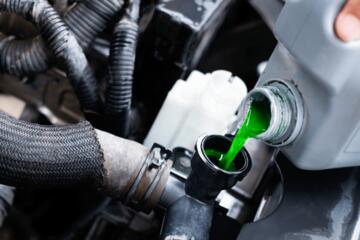
EV Coolant Flushing: Why Specialized Dielectric Fluids Matter

This comprehensive technical guide explores the critical transition from traditional glycol-based cooling to specialized dielectric fluids in modern electric vehicle (EV) architectures. We address the high-stakes necessity of precision flushing to prevent electrochemical degradation and thermal runaway in high-density battery packs. Targeted at EV fleet managers, specialized technicians, and performance enthusiasts, this analysis provides a roadmap for maintaining the electrical integrity of non-conductive thermal loops.

Read » 472
Maintenance 01.04.2026

Brake Maintenance for EVs: Preventing Corrosion in Low-Use Systems

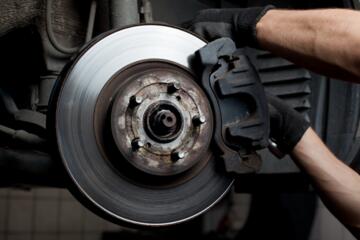
Modern electric vehicles (EVs) utilize regenerative braking to recover energy, which significantly reduces the physical engagement of traditional friction brakes. While this extends pad life, it introduces a critical vulnerability: chronic corrosion and mechanical seizure due to underutilization. This guide provides a technical deep dive for EV owners and fleet managers on maintaining braking hardware that rarely sees high-temperature operation.

Read » 367
Maintenance 01.04.2026

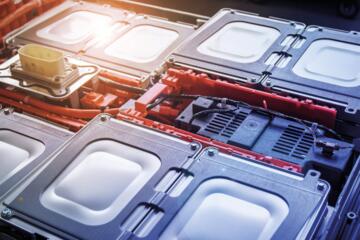
Battery Health Monitoring: How to Read SOH (State of Health) Data

Understanding the true longevity of an electric vehicle or hybrid battery is no longer a guessing game reserved for laboratory technicians. This guide provides fleet managers, used car buyers, and automotive enthusiasts with the technical framework to interpret State of Health (SOH) metrics accurately. By mastering these diagnostic data points, you can mitigate the risk of premature degradation and significantly preserve the residual value of your high-voltage assets.

Read » 413
Maintenance 01.04.2026

Aligning Advanced Driver Assistance Systems (ADAS) After Repair

Modern automotive safety relies on a complex network of sensors that must be mathematically precise to function. When a vehicle undergoes structural or glass repairs, the delicate calibration of these systems is often disrupted, leading to potential safety failures or phantom braking. This guide provides a technical deep dive into the necessity of sensor recalibration, offering professional insights into the tools, methodologies, and rigorous standards required to return a vehicle to its OEM safety specifications.

Read » 230
Maintenance 01.04.2026

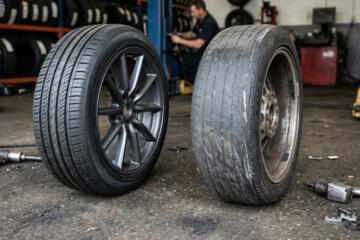
The Science of EV Tires: Why Standard Rubber Wears Out Faster

This guide explores the engineering disconnect between high-torque electric drivetrains and conventional tire compounds, a critical issue for modern EV owners facing premature tread replacement. We analyze why standard tires often fail within 15,000 miles on electric platforms and provide a technical roadmap for selecting specialized rubber designed for high mass and instant acceleration. By following these expert recommendations, drivers can optimize vehicle range, reduce rolling noise, and extend tire longevity by up to 30%.

Read » 294
Maintenance 01.04.2026

Maintaining High-Voltage Cables: Inspection for Insulation Degradation

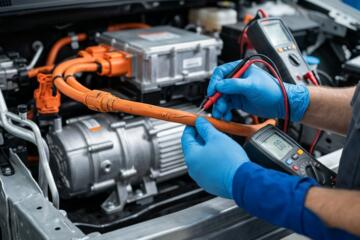
Maintaining the integrity of high-voltage (HV) wiring is the cornerstone of electric vehicle (EV) longevity and passenger safety. This guide provides a deep dive into identifying early signs of insulation fatigue, utilizing advanced diagnostic tools like megohmmeters, and implementing preventative maintenance cycles to avoid catastrophic thermal events. Designed for fleet managers, specialized technicians, and advanced EV owners, it bridges the gap between basic visual checks and professional-grade electrical testing.

Read » 464
Maintenance 01.04.2026

Software Calibration: Resolving Glitches After Battery Swaps

Modern vehicles are essentially high-performance data centers on wheels, where the 12V battery acts as the primary stabilizer for sensitive Electronic Control Units (ECUs). When this power source is disconnected or fails, the volatile memory in various modules—ranging from the Engine Control Module (ECM) to the Advanced Driver Assistance Systems (ADAS)—can lose critical "learned" data. This guide provides a deep dive into the technical necessity of software recalibration following a battery replacement, ensuring your vehicle regains its factory-specified performance and safety margins.

Read » 217
Maintenance 02.04.2026

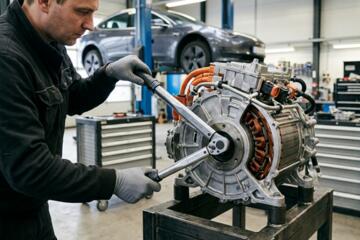
Transmission Fluid in Electric Drive Units: When is a Change Necessary?

As the automotive industry shifts toward electrification, a common misconception persists that electric vehicles (EVs) are entirely "maintenance-free." While they lack internal combustion engines, their Electric Drive Units (EDUs) rely on specialized transmission fluids to manage extreme torque and high-speed thermal loads. This guide explores the chemical degradation of these fluids, the critical intervals for replacement, and how proactive fluid management prevents catastrophic inverter and motor failure.

Read » 249