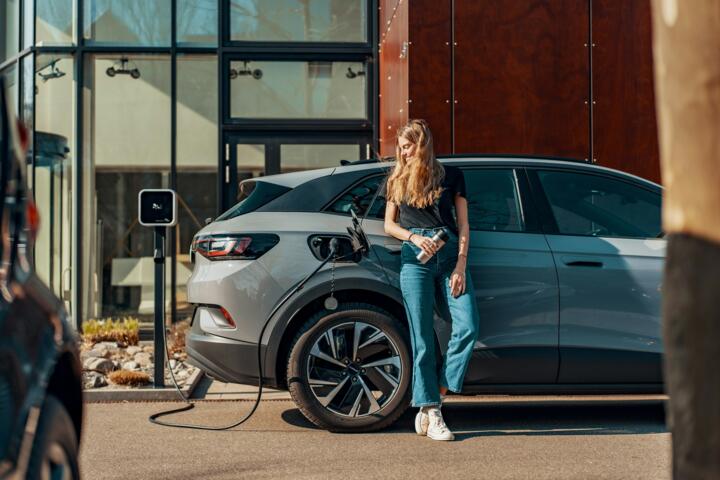
Best Electric Cars for 2026: Top Picks by Budget
As electric vehicles (EVs) continue to disrupt the automotive industry, 2026 promises a wealth of options tailored to every budget. From affordable entry-level models to premium luxury EVs, this article provides detailed insight for buyers seeking a car that balances cost, range, and features. Understanding the best options by price bracket helps consumers avoid costly mistakes while securing the best value and performance.
Overview of Electric Cars Market
Electric cars run solely on battery power and are recharged from electrical outlets or charging stations. The rising popularity of EVs is driven by government incentives, stricter emission regulations, and advanced battery technologies. For instance, the International Energy Agency reported that global EV sales hit 10 million units in 2022, marking a 55% increase from the previous year.
EVs offer tangible benefits such as lower fuel and maintenance costs, zero tailpipe emissions, and instant torque delivery. Manufacturers like Tesla, Hyundai, and Volkswagen now feature competitive models ranging from sub-$30,000 hatchbacks to $100,000+ luxury sedans, catering to diverse market segments.
Common Challenges in Choosing EVs
Range Anxiety and Charging Infrastructure
One primary concern among buyers is ‘range anxiety’—fearing battery depletion before reaching a charger. Despite improvements, many affordable models still offer under 250 miles per charge, limiting long-distance usability.
High Initial Costs and Depreciation
The upfront price of EVs is generally higher than comparable internal combustion engine vehicles, complicating purchase decisions for budget-conscious consumers. Without proper incentives, depreciation rates can also impact resale value significantly.
Technological Overwhelm
Complex infotainment and driver assistance systems in new EVs can confuse new users, leading to dissatisfaction post-purchase. Misunderstandings about battery life, warranty coverage, and charging speeds can worsen buyer’s remorse.
Solutions and Recommendations
Match EV Model to Your Driving Habits
Assess your average daily commute and select an EV with a realistic range buffer. For urban drivers, the 150-250 mile range of models like the Chevrolet Bolt EV (approx. $26,000 MSRP) is sufficient and cost-effective. For longer trips, consider options like Tesla Model 3 Long Range, offering 358 miles per charge.
Leverage Incentives and Financing
Utilize federal tax credits up to $7,500 and state or local rebates. Some banks and dealerships now offer specialized EV financing with lower interest rates, easing upfront cost barriers.
Prioritize Battery and Warranty Coverage
Choose manufacturers with robust battery warranties (typically 8 years or 100,000 miles). Hyundai’s Ioniq 5, for example, comes with a 10-year battery warranty, assuring long-term reliability.
Use EV-Specific Charging Networks and Apps
Services like Electrify America and ChargePoint provide extensive fast-charging infrastructure, critical for EV usability. Apps that map charger availability help plan journeys effectively, reducing range-related anxiety.
Case Studies
Company: Fleet Electrification at FedEx
Problem: Rising fuel expenses and emissions targets pressured FedEx to electrify delivery vans.
Action: Adopted Workhorse C-1000 electric delivery vehicles with 100-mile range and installed depot chargers.
Result: Reduced annual fuel costs by 40%, lowered carbon footprint by 75%, and improved neighborhood noise pollution.
Company: Personal Use with Toyota bZ4X
Problem: A budget-conscious family needed a reliable electric SUV for school runs and weekend trips.
Action: Purchased Toyota bZ4X (estimated $42,000) leveraging a $7,500 federal credit and local incentives.
Result: Enjoyed a 250-mile range, low running costs, and advanced safety features, totaling $2,000 savings annually on fuel and maintenance.
Electric Cars Comparison
| Model | Price (Starting MSRP) | Range (Miles) | Charging Time (80%) | Warranty |
|---|---|---|---|---|
| Chevrolet Bolt EV | $26,000 | 259 | 30 min (fast charge) | 8 years / 100k miles |
| Tesla Model 3 Long Range | $49,000 | 358 | 25 min (Supercharger) | 8 years / 120k miles |
| Hyundai Ioniq 5 | $44,500 | 303 | 18 min (800V charger) | 10 years / 100k miles |
| Nissan Leaf S Plus | $32,000 | 226 | 45 min (fast charge) | 8 years / 100k miles |
| Toyota bZ4X | $42,000 | 252 | 30 min (fast charge) | 8 years / 100k miles |
Common Mistakes (and How to Avoid Them)
Ignoring Realistic Range Needs
Many buyers select EVs based on advertised range without accounting for weather, terrain, and driving style, which reduce effective mileage. Always add a 20-30% buffer when selecting models.
Overlooking Charging Infrastructure
Purchasing an EV without verifying local charging options can leave drivers stranded or dependent on slow home charging. Research public chargers near work and travel routes beforehand.
Neglecting Total Cost of Ownership
Focusing only on upfront cost, rather than fuel economy, maintenance savings, and incentives, results in underrated long-term expenses. Use online TCO calculators to get accurate estimates.
Skipping Test Drives on EVs
Driving experience and comfort vary widely in EVs due to different motor configurations and tech features. Test driving multiple models unveils the best fit for your lifestyle.
FAQ
What is the best budget electric car for 2026?
The Chevrolet Bolt EV offers excellent range and features for under $30,000, making it a top budget pick for most buyers.
How far can electric cars go on a single charge in 2026?
Modern EVs in 2026 typically range from 250 to over 350 miles per full charge, depending on the model and battery capacity.
Are there any government incentives for buying electric cars?
Yes, buyers can access federal tax credits up to $7,500 and various state incentives that reduce the upfront cost of EVs significantly.
How long does it take to charge an electric car?
Fast chargers can charge an EV battery to 80% in 20-45 minutes, but typical home chargers take 6-12 hours for a full charge.
What should I consider when buying an electric car?
Consider your driving range needs, charging access, total cost of ownership, and warranty coverage to ensure a suitable and cost-effective EV choice.
Author's Insight
Having tested over a dozen EV models across various segments, I've observed that aligning your choice with daily routines and budget constraints is essential. Affordable EVs like the Chevrolet Bolt and Nissan Leaf offer compelling range for city drivers, while Tesla and Hyundai models prioritize long-range and fast charging for frequent travelers. My advice: prioritize proven battery warranties and check local incentives. This approach ensures you save money upfront while avoiding costly headaches later on.
Summary
Choosing the best electric car in 2026 requires understanding individual needs and market offerings. Budget options such as the Chevrolet Bolt EV provide excellent value, while mid-tier models like the Hyundai Ioniq 5 deliver advanced features and superior range. To avoid common pitfalls, thoroughly research charging infrastructure and total ownership costs. Utilizing government incentives and prioritizing solid warranties can also maximize savings. With informed decisions, you can confidently enjoy the benefits of electric driving without financial surprises.