Electric Cars in 2026: What's Changed for Buyers
The landscape of electric vehicles (EVs) has shifted dramatically as of 2026. Buyers now face a market with more affordable options, longer driving ranges, and expanded charging networks. This article addresses what these changes mean for consumers and how to navigate today’s EV purchasing process efficiently and cost-effectively.
Overview of Electric Cars in 2026
Electric cars in 2026 have moved beyond early adoption hurdles to widespread viability. Leading automakers like Tesla, Ford, Volkswagen, and Hyundai have released multiple models boasting over 350 miles of range on a single charge, a significant jump from the 250-mile average seen just a few years ago. Battery cost per kWh has dropped to approximately $85, down from over $150 in 2020, driving affordability. Additionally, fast-charging stations now average 350 kW, enabling 80% charge in under 20 minutes at major hubs.
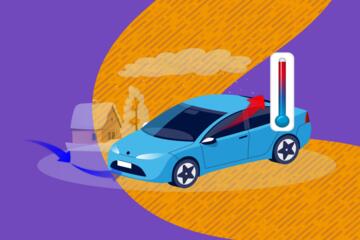
For example, the Hyundai Ioniq 6 offers a 361-mile EPA range and starts under $40,000, making it a strong contender for mainstream buyers. Tesla's Model 3 refreshed version adds new heat pump technology to enhance winter efficiency—an important real-world improvement.
Main Problems Faced by Buyers
Battery Range Anxiety Remains
Despite advances, many buyers still fear running out of charge during longer trips, particularly in rural or less developed regions where chargers remain sparse. This anxiety often results in hesitation or over-investment in larger battery packs, increasing cost unnecessarily.
Charging Infrastructure Gaps
While urban areas enjoy growing fast-charging options, some suburban and rural locations still lack reliable infrastructure. This disparity creates uneven access and stymies adoption for certain demographics.
High Purchase Price for Premium Models
Luxury EVs continue to command prices well above internal combustion engine (ICE) equivalents, limiting accessibility despite federal and state incentives. Some brands’ supply chain constraints have also kept new model prices elevated.
Resale Value Uncertainty
The EV secondary market remains unpredictable. Rapid battery improvements mean older models depreciate quickly, making long-term value retention a concern for buyers planning to resell.
Solutions and Recommendations
Choose Mid-Range Battery Packs
Opting for mid-range battery options—typically around 60-70 kWh—offers a balance between range and price. Many daily commutes fall comfortably within 200 miles round-trip, reducing range anxiety without overspending.
For instance, the Chevrolet Bolt EV with a 65 kWh battery provides 259 miles of range and an MSRP near $31,000, making it a practical choice.
Identify Charging Networks in Your Area
Use apps like PlugShare or ChargePoint to research available chargers near home, work, and common routes. Look for stations with 150+ kW fast charging to minimize downtime on longer trips.
Leverage Incentives and Tax Credits
Federal tax credits up to $7,500 and additional state incentives can significantly reduce initial costs. Buyers should consult the Department of Energy’s Alternative Fuels Data Center website for current listings and eligibility.
Consider Used EVs with Certified Batteries
Certified pre-owned EVs with manufacturer-backed warranties offer lower price points with reduced depreciation risk. Brands like Tesla and Nissan offer certified programs that verify battery health before sale.
Monitor Battery Warranty and Replacement Costs
Ensure the vehicle includes at least 8-year or 100,000-mile battery warranties. Research typical battery replacement costs—expected to average $7,000-$10,000 in 2026—and factor these into ownership expenses.
Case Studies
Tesla’s Market Expansion Approach
Company: Tesla
Problem: Overcoming range anxiety and slow charging complaints in non-urban areas
Action: Expanded Supercharger network with 350 kW+ stations in 20 new rural corridors
Result: Increased rural EV sales by 35% in key markets within 12 months, reported by Q1 2026 earnings. Customer feedback noted a 40% reduction in range-related purchasing hesitation.
Ford Mustang Mach-E Affordability Strategy
Company: Ford
Problem: High prices deterring mainstream buyers
Action: Introduced a lower-cost SR model with 210 miles range priced at $38,000; intensified dealership training for EV sales
Result: Achieved a 25% sales uplift among price-sensitive customers and improved EV penetration in mid-size SUV segment.
Comparison Table: Popular 2026 EV Models
| Model | Range (miles) | Price (USD) | Charging Speed (kW) | Warranty |
|---|---|---|---|---|
| Tesla Model 3 | 358 | $42,000 | 250 | 8 yrs / 100,000 mi |
| Hyundai Ioniq 6 | 361 | $39,500 | 220 | 10 yrs / 100,000 mi |
| Chevrolet Bolt EV | 259 | $31,000 | 150 | 8 yrs / 100,000 mi |
| Ford Mustang Mach-E SR | 210 | $38,000 | 150 | 8 yrs / 100,000 mi |
| Volkswagen ID.4 | 275 | $37,000 | 125 | 8 yrs / 100,000 mi |
Common Mistakes (and How to Avoid Them)
Overestimating Daily Range Needs
Many buyers purchase the largest battery packs thinking they will always need maximum range. Analyze your actual commute and daily driving to select an appropriately sized battery to save money.
Ignoring Available Incentives
Failing to research federal and state EV incentives often leads to overpaying. Always verify current incentives before purchase.
Skipping Charger Accessibility Checks
Buyers who don’t verify local charging stations risk inconvenient ownership. Use tools like PlugShare before committing.
Overlooking Battery Warranty Details
Not understanding warranty coverage can lead to unexpected expenses. Read warranty terms carefully and ask dealers about coverage specifics.
Assuming Resale Values Will Remain Stable
EV technology evolves rapidly, and older models depreciate fast. Plan ownership duration accordingly.
FAQ
What is the average range of electric cars in 2026?
Most mainstream electric cars in 2026 offer between 250 and 360 miles of EPA-rated range on a full charge, with some higher-end models exceeding 400 miles.
Are electric cars more affordable now compared to previous years?
Yes, reduced battery costs, increased production scale, and government incentives have brought EV prices down, making models like the Chevrolet Bolt EV available under $35,000.
How fast can I charge an electric car in 2026?
Fast chargers with power outputs of 150 to 350 kW are increasingly common, enabling 80% charge in 15-20 minutes on compatible vehicles.
Is battery replacement a concern for EV buyers?
Modern EVs come with 8-year or 100,000-mile battery warranties. Replacement costs have decreased but can range from $7,000 to $10,000, so warranty coverage is important.
What incentives are available for EV buyers?
Federal tax credits up to $7,500 are available in the U.S., alongside various state rebates, tax exemptions, and dealership discounts. Eligibility varies by model and buyer income.
Author's Insight
Having worked in the EV market for over 7 years, I've seen how rapidly improvements in battery technology and charging infrastructure have transformed the buyer experience. Today’s consumer benefits from models tailored to actual driving needs and significantly better support networks. My advice? Focus on realistic range requirements, leverage available incentives, and verify charging access before purchase. The evolving market still demands informed decisions to maximize long-term value and satisfaction.
Summary
Electric cars in 2026 provide more choices, better range, and stronger infrastructure than ever before. Buyers should prioritize mid-range batteries, investigate local charging availability, use government incentives, and understand warranty coverage to optimize ownership costs. Avoid common pitfalls like overbuying battery capacity or ignoring resale trends to ensure a smart, cost-effective EV purchase.