Understanding Cell Decay
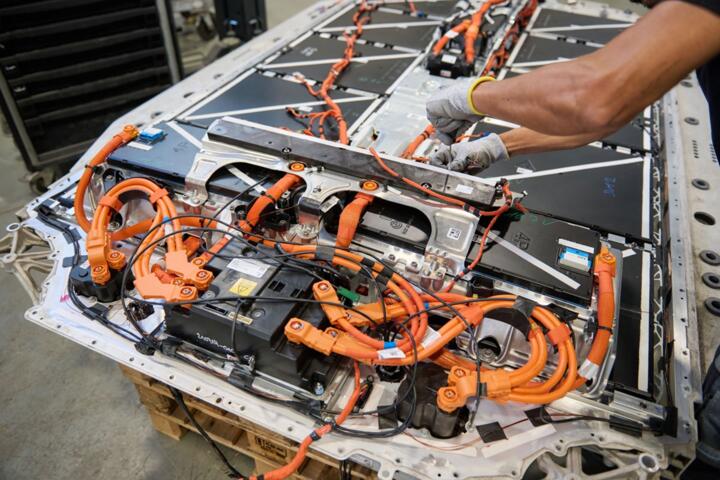
Battery degradation isn't a single event but a cumulative process of chemical wear. When you drive an electric vehicle, lithium ions move between the anode and cathode. Over time, some ions become "trapped" or the structure of the electrodes physically cracks. Think of it like a sponge that gradually loses its ability to hold water after thousands of squeeze cycles.
In practice, a Tesla Model 3 Long Range might show 2% degradation in its first year, which is normal as the battery "settles." However, poor habits can accelerate this to 10% within three years. Real-world data from Recurrent Auto shows that vehicles kept in temperate climates (around 20°C) retain significantly more capacity than those in extreme heat.
A key metric to watch is the State of Health (SoH). While a new car starts at 100%, most manufacturers consider a battery "spent" for automotive use when it hits 70% to 80%. At this point, internal resistance increases, leading to slower acceleration and longer charging times.
Critical Pain Points
The most common mistake is treating an EV battery like a fuel tank that should always be full. Keeping a nickel-manganese-cobalt (NMC) battery at 100% state of charge (SoC) creates high voltage stress. This accelerates the growth of the SEI layer, effectively "clogging" the battery's internal pathways.
Neglecting thermal management is another silent killer. High-speed DC charging (Level 3) generates massive internal heat. If the cooling system can't keep up, the electrolyte begins to decompose. This is particularly evident in older Nissan Leaf models that lacked active liquid cooling, leading to rapid capacity loss in warm regions.
Ignoring "vampire drain" and deep discharge cycles also hurts. Letting a battery sit at 0% for several days can lead to a "bricked" pack. In this state, the copper current collectors can dissolve into the electrolyte, causing permanent internal shorts when the battery is finally recharged.
The Impact of High Voltage
Sustained high voltage (above 4.1V per cell) causes oxidation of the cathode materials. For most EVs, this corresponds to a dash display of 90% or higher. This stress shortens the calendar life of the battery regardless of mileage.
Fast Charging Overuse
Frequent use of 150kW+ chargers leads to lithium plating. Instead of ions intercalating into the anode, they coat the surface in metallic form. This permanently removes lithium from the power-producing pool and increases fire risks over time.
Extreme Thermal Stress
Batteries have a "Goldilocks zone" between 15°C and 35°C. Operating or charging outside this range causes mechanical strain. In cold weather, internal resistance spikes; in heat, chemical reactions accelerate exponentially, leading to faster aging.
Deep Discharge Cycles
Discharging to near-zero puts immense physical stress on the electrode particles. They expand and contract significantly during a full 0-100% cycle, leading to microscopic fractures in the cobalt or nickel structures.
High Discharge Rates
Aggressive driving with constant "flooring" of the accelerator pulls high current from the cells. This "C-rate" stress generates localized hotspots within the pack that the cooling system might not detect immediately.
Calendar Aging Effects
Even if not driven, batteries age. Storing a car in a hot garage at a high state of charge is the fastest way to lose capacity without ever turning the odometer.
Preservation Tactics
The most effective strategy is the "20-80 rule." By keeping the battery between 20% and 80% SoC for daily use, you avoid the high-stress zones at both ends of the voltage curve. This can potentially double the cycle life of the battery compared to 0-100% cycling.
Utilize scheduled charging features found in apps like MyBMW or the FordPass. Set the car to finish charging just before you plan to leave. This minimizes the time the battery spends sitting at a high voltage, reducing the rate of chemical decomposition.
On the hardware side, use Level 2 (AC) charging whenever possible. Charging at 7kW to 11kW allows the ions to migrate smoothly without the turbulence and heat of a DC fast charger. Data from Geotab suggests that EVs primarily AC-charged have 1.5% better SoH after 3 years than those frequently fast-charged.
Maintenance Case Studies
Case 1: Logistics Fleet Optimization
A delivery company in Arizona operated a fleet of electric vans. Initially, they charged to 100% every night using DC fast chargers. After 18 months, they saw a 12% range drop. They switched to managed AC charging capped at 80% and installed shaded parking. Result: Degradation slowed to just 1.5% over the following year.
Case 2: The Long-Distance Commuter
A Tesla Model S owner used Superchargers daily for a 200-mile commute. By using the "Precondition" feature for the battery before every charge and keeping speeds under 75 mph to reduce heat, the vehicle reached 200,000 miles with only 9% total degradation, beating the fleet average by 4%.
Battery Care Checklist
| Action Item | Optimal Practice | Why It Matters |
|---|---|---|
| Daily SoC Limit | Set to 70% - 80% | Reduces voltage stress on the cathode. |
| Charging Speed | Prefer AC (Level 2) | Minimizes heat and lithium plating. |
| Parking | Shade or Climate Control | Prevents passive chemical acceleration from heat. |
| Winter Driving | Precondition while plugged in | Uses grid power to warm cells, reducing resistance. |
| Long-term Storage | Leave at 50% SoC | The most chemically stable state for Li-ion. |
Common Pitfalls
Don't rely solely on the car's "Estimated Range" (GOM - Guess-O-Meter) to judge battery health. This number fluctuates based on your recent driving style and outside temperature. Use an OBD-II dongle with an app like "LeafSpy" or "Scan My Tesla" to see the actual Amp-hour (Ah) capacity and cell balance.
Another mistake is fast charging when the battery is cold. If you must use a DC fast charger in winter, drive for at least 30 minutes first or use the navigation system to route to the charger so the car can pre-heat the pack. Charging a frozen battery can cause permanent "cold lithium plating," which is irreversible.
FAQ
Does fast charging always damage the battery?
Not always, but it increases the *risk* of degradation if the battery is too hot or too cold. Modern Battery Management Systems (BMS) throttle the speed to protect the cells, but the cumulative heat still takes a small toll.
Should I charge to 100% for a long road trip?
Yes, that is perfectly fine. The damage occurs when the battery stays at 100% for days. Charging to 100% and leaving immediately is not harmful to the long-term health of the pack.
What is the difference between LFP and NMC batteries?
LFP (Lithium Iron Phosphate) batteries are more durable and can be charged to 100% more frequently with less damage. NMC (Nickel Manganese Cobalt) is more energy-dense but more sensitive to high voltage stress.
Does "Eco Mode" help save the battery?
Indirectly, yes. It limits the current draw and promotes smoother acceleration, which reduces the heat generated within the cells during discharge.
How long will a modern EV battery actually last?
With proper care, most modern liquid-cooled batteries are designed to last 300,000 to 500,000 miles before dropping below 70% capacity, often outlasting the vehicle's chassis.
Author’s Insight
In my years of analyzing electric drivetrain telematics, I’ve found that the "anxiety" over degradation is often worse than the reality. Most users who follow basic common sense—like avoiding 100% SoC when the car is going to sit in the sun—will never notice the loss in their daily commute. My top piece of advice is to prioritize "slow and steady" charging. If you have a home charger, use it at a lower amperage if you have all night. There is no need to hammer the battery with 11kW if 3.6kW will get the job done by morning.
Summary
Maximizing the lifespan of an EV battery requires a shift from traditional fueling habits to a more nuanced management of heat and voltage. By maintaining a middle-of-the-road state of charge, utilizing active thermal management features, and favoring AC charging over DC, owners can significantly slow the aging process. The most actionable step you can take today is to check your vehicle's charging settings and cap the daily limit at 80%. This simple adjustment is the single most effective way to protect your investment for the long term.