Why build quality ages
Build quality shows up over time because the car’s materials and joints experience heat cycles, vibration, and moisture for thousands of miles. A real-world example: a door seal that compresses poorly after 30,000 miles often turns into wind noise at highway speeds. Another example is fasteners and bushings; they loosen or wear when tolerances are tight only on day one.
In the U.S., the average new-vehicle warranty is commonly 3 years/36,000 miles for basic coverage, and powertrain coverage often extends to 5 years/60,000 miles. That gap matters because many “fit-and-finish” issues appear after the first 36,000 miles, when the car is out of the shortest coverage window.
Skip the showroom checklist. It misses the parts that fatigue first.
Vehicle type changes what “build quality” means. A 2.0L turbo crossover spends more time with heat-soaked engine bays and road spray than a low-mileage commuter, while a body-on-frame pickup sees more suspension articulation and towing loads. Even within one model line, trim levels can change materials, like thinner door skins or different wheel designs that affect corrosion exposure.
Reliability data also points to age effects. For example, the J.D. Power Vehicle Dependability Study reports problems per 100 vehicles, and those counts typically rise with vehicle age. The exact numbers vary by year and segment, but the pattern is consistent: early issues are fewer, and wear-related issues accumulate later.
Fuel economy is another aging signal. A 2020–2024 compact with a 2.0L engine might advertise around 30–35 mpg combined, but real-world highway mileage can drop 5–10% with tire wear, misalignment, and clogged intake systems. When build quality affects alignment stability or sealing, fuel economy can drift too.
What buyers get wrong
People often judge build quality by what they can hear and see during a test drive. That misses the slow failures: seal compression, plastic brittleness, adhesive creep, and corrosion starting under trim. A rattle that appears at 70 mph after a year is usually a mounting or clearance issue, not a “driver problem.”
Skip the “it feels solid” test. It ignores how parts behave after thermal cycling.
Another common mistake is assuming warranty terms cover everything. Many warranties exclude wear items like brake pads, wiper blades, and certain suspension components, and they may require proof of maintenance. If a leak starts from a poorly sealed seam, the repair might be covered only if it’s classified as a defect, not “damage from road conditions.”
Financial consequences show up in the repair frequency and downtime. A vehicle that needs one additional visit for a recurring rattle, a trim clip replacement, or a sensor recalibration can cost more than a buyer expects, even if each job is small. Over 3–5 years, those visits add up to towing, rental time, and labor charges.
Real-world situations make the pattern obvious. A family using a 3-row SUV for school runs and winter road salt may see corrosion around rocker panels and door bottoms sooner than a buyer who drives a 2.0L sedan on dry roads. If the car has poor underbody sealing or thin coatings, the first visible rust spots can appear before the warranty ends.
Ownership costs also shift with build quality. Insurance pricing can change when repair parts are expensive or when crash repair requires more labor due to tight panel gaps. Even without a crash, higher repair complexity can raise the cost of body work if the car’s structure or exterior trim is harder to disassemble.
How to check it early
Inspect seams and seals
Check door and hatch seams for consistent gaps and look for uneven seal compression. Why it works: poor sealing tolerances often lead to water intrusion, which accelerates corrosion and causes interior odor. In practice, run your hand along the weatherstrip and look for areas where the rubber looks glazed or flattened. A simple tool is a bright flashlight and a phone camera in low light; you can compare both sides of the same door.
After 1–2 winters, water leaks show up as damp carpet edges, fogging in headlamps, or corrosion around fasteners. If the car has a history of water intrusion, warranty claims may require inspection photos. That’s where early seam inspection helps you avoid a “mystery smell” later.
Test for wind noise
Drive at 55–75 mph and listen for wind noise near the A-pillar and around the rear doors. Why it works: wind noise often traces back to seal fit, door alignment, and latch geometry. What it looks like: a steady hiss that changes when you press the door slightly or when you close it with different force. Use the same route and window position each time; even a 5 mph change can mask the issue.
Skip the quick loop. It hides the noise that appears only at sustained speed.
Look at underbody protection
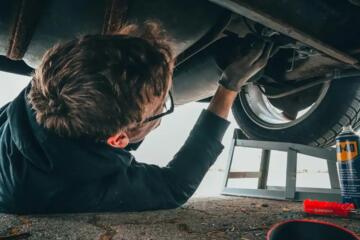
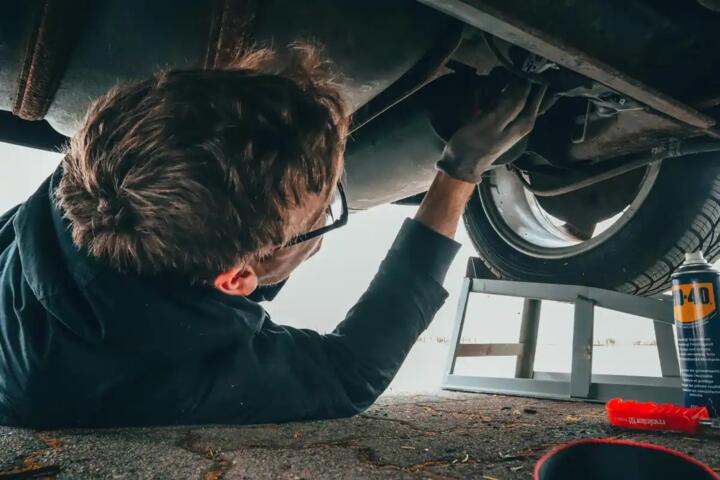
Inspect the underbody for missing splash shields, torn plastic panels, and thin-looking coatings around seams. Why it works: road spray and salt attack the same areas where fasteners and welds meet. In practice, use a mirror on a telescoping handle and check behind the front wheels and along rocker panels. If you see bare metal or flaking coating, ask whether the car has had underbody repairs.
For example, a compact crossover with a 2.5L engine may still rust early if the underbody shields are missing. That rust can later spread under trim, and repairs often require removing panels, not just sanding a spot.
Evaluate suspension wear points
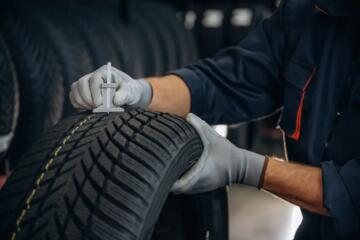
Check for uneven tire wear and inspect suspension bushings for cracking. Why it works: bushings and control arm mounts reflect manufacturing tolerance and material quality, and they affect alignment stability. What it looks like: cupping on one edge, a steering wheel that drifts, or a clunk over small bumps. A tire tread depth gauge helps; measure both sides and compare front-to-rear.
On many vehicles, alignment specs are sensitive to worn components. If a car needs alignment every 10,000–15,000 miles, build quality and durability are likely part of the story, not just “bad roads.”
Check cooling system design
Inspect the radiator area and coolant hoses for residue, crusting, or brittle-looking clamps. Why it works: heat cycling stresses hose material and clamp tension, and small seepage becomes bigger over time. What it looks like: dried coolant around the hose ends or staining near the expansion tank. If the car has a 2.0L turbo, pay attention to the intercooler plumbing too; heat and vibration can loosen clamps.
Maintenance matters here. A car with a documented coolant service interval is less likely to develop corrosion-related leaks, even if the original build quality was average. Still, repeated seepage after service suggests a fit or material issue.
Assess EV battery cooling and sealing
For EVs, check for clean, intact underbody panels and look for signs of moisture around charge ports. Why it works: EV battery packs rely on cooling loops and sealing to manage condensation and road spray. What it looks like: water staining around the charge inlet or a charge port door that doesn’t close firmly. If the car is a model with an estimated range like 250–330 miles, note how range changes in cold weather.
Charging limitations also reveal build quality. A charge port that feels loose or a cable latch that binds can cause repeated wear on the connector. That wear can lead to charging interruptions, and repair costs can be higher than expected because the port assembly may include multiple parts.
Review warranty and service history
Read the warranty exclusions for corrosion, seals, and electrical components. Why it works: build-quality problems often fall into “defect” categories only if they appear within the coverage window and match the warranty definition. What it looks like: corrosion coverage might be time-limited and mileage-limited, and some items require proof of maintenance. Ask for service records, not just the odometer reading.
Skip the “it was dealer serviced” claim. It helps, but the records still show whether coolant, brake fluid, and cabin filters were maintained on schedule.
Measure cabin noise over time
Compare cabin noise at idle and at steady speeds. Why it works: squeaks and rattles often come from trim clips, seat rails, and headliner adhesives that degrade with heat. What it looks like: a ticking from the dash area, a buzz from the door card, or a rattle that changes when you press on a specific panel. A phone app can log decibel readings, but even without numbers, consistency matters.
Cabin practicality ties in too. If child-seat installation is awkward due to seatbelt geometry or seat cushion shape, buyers may blame the seat design, not the build quality. Still, loose seatbelt retractors or weak anchor points are the kind of issues that show up after repeated use.
Mini case examples
A fleet manager ran a small test on a set of 2021 compact crossovers with 2.0L turbo engines. The company noticed recurring wind noise near the front doors after winter salt exposure. They documented 6 vehicles with complaints between 18,000 and 28,000 miles, then inspected door alignment and weatherstrip compression. After replacing weatherstrips and adjusting latch alignment on those units, the complaints dropped to 1 vehicle over the next 12,000 miles, and the average repair time per car fell from about 2.5 hours to under 1.5 hours on repeat visits.
Skip the assumption that “it’s just trim.” The pattern pointed to sealing tolerances that only became obvious after moisture and temperature cycles.
In a second case, a logistics company used a 2019 half-ton pickup with a V8 engine for regional hauling. The problem was not engine failure; it was repeated rear suspension clunking after loads exceeded the typical payload. They checked leaf-spring bushings and shock mounts, then adjusted maintenance intervals and reduced overloading by adding a stricter payload cap. Over 20,000 miles, the number of suspension-related shop visits dropped from 4 to 1, and downtime hours fell by roughly 30%. The lesson was that build quality interacts with real load cycles, not just mileage.
Checklist for long-term
| Check | What to look for | Why it matters over time | How to verify |
|---|---|---|---|
| Door seals | Even compression, no gaps | Reduces wind noise and water intrusion | Flashlight + compare both sides |
| Underbody shields | No missing or torn panels | Limits salt and spray corrosion | Mirror inspection behind wheels |
| Suspension wear | Tire edge wear, bushings cracks | Alignment drift and noise | Measure tread depth front/rear |
| Cooling system | No crusting at hose ends | Prevents small leaks growing | Look for residue near expansion tank |
| EV charge port | Firm door fit, no staining | Reduces charging interruptions | Inspect seals; test latch feel |
| Warranty fit | Corrosion and seal coverage terms | Determines repair cost risk | Read exclusions; confirm service logs |
Common mistakes and fixes
Buying based on a single test drive is the most common mistake. It happens because noise and leaks need time, and many issues only appear after heat soak. The impact is a car that needs repeated visits for trim clips, alignment tweaks, or seal replacements. Avoid it by driving the same route twice, once with windows up and once with the climate fan set similarly, then checking for repeatable sounds.
Skip the “it’s normal” explanation. It often means the shop hasn’t measured the pattern yet.
Ignoring tire wear patterns is another mistake. It happens because buyers focus on tread depth, not how the wear is shaped. The impact is hidden suspension wear that can raise fuel consumption and create steering drift. Avoid it by checking for inner-edge wear and measuring tread depth at 3–4 points per tire.
Overlooking corrosion-prone areas is common in salt regions. It happens because rust starts under trim and behind shields. The impact is higher repair labor later, since panels may need removal. Avoid it by inspecting rocker panels, door bottoms, and the area behind the front wheels with a mirror.
Misreading warranty coverage is a financial trap. It happens because people assume “bumper-to-bumper” means every rattle and leak is covered. The impact is out-of-pocket costs after 36,000 miles on many plans. Avoid it by reading the coverage for corrosion, seals, and electrical components, then matching it to your planned ownership length.
Neglecting EV charging realities is a newer mistake. It happens because buyers focus on range numbers and forget connector wear and charging port fit. The impact is reduced charging reliability and higher repair costs. Avoid it by testing the charge port door action, checking for looseness, and confirming the car supports your planned charging speed and connector type.
FAQ
How can I spot weak build quality before buying?
Start with the areas that age first: door seals, underbody shields, and suspension mounting points. Look for uneven panel gaps, glazed weatherstrips, and missing splash guards. During a drive, listen for wind noise at 55–75 mph and note whether it changes when you press the door lightly. For used cars, check tire wear shape and measure tread depth across the tire. If the car has a service history, confirm maintenance intervals for coolant and brake fluid, since neglect can mimic build-quality problems.
Does build quality affect fuel economy over time?
Yes, indirectly. Poor sealing can increase air leaks that affect HVAC load, and worn suspension parts can change alignment, which increases rolling resistance. Clogged intakes and degraded cooling components also reduce efficiency, and those issues can be influenced by material choices and heat cycling. A practical check is to compare fuel economy over several tanks after correcting tire pressure and alignment. If mileage drops 5–10% without a driving change, inspect tires, alignment, and intake cleanliness.
What warranty terms matter for long-term durability?
Look for coverage that matches the failure modes you fear: corrosion, seals, and electrical components. Many plans cover powertrain longer than basic coverage, and the shortest window often ends around 36,000 miles. Read exclusions for wear items and for damage from road conditions. For example, a leak from a seam might be treated as a defect, while damage from impact could be excluded. Confirm whether the warranty requires documented maintenance to keep coverage active.
How do I evaluate build quality in an EV?
EV build quality shows up in sealing, charging port fit, and underbody protection. Inspect the charge port area for staining or loose door action, and check underbody panels for missing shields. Range estimates also reveal issues: cold-weather range drops are normal, but sudden drops after a software update or after repeated charging interruptions can point to a thermal management problem. If the car supports your charging setup, test charging reliability rather than only reading the range sticker.
Is it better to buy new or used for build quality?
It depends on how long you plan to keep the car and how you drive. New cars give you warranty coverage during the early wear period, but some issues appear after the first winter or after 30,000 miles. Used cars can reveal long-term problems already, but you inherit the repair risk if the previous owner skipped maintenance. A careful approach is to buy used with complete service records, verify corrosion condition, and inspect for recurring noises. If you plan to keep the car beyond 5 years, warranty terms and corrosion protection matter more than the purchase price.
Author's Insight
Build quality is less about the first impression and more about how tolerances hold up under heat, vibration, and moisture. I’ve seen patterns where wind noise and water intrusion trace back to seal compression and latch alignment, not “mystery rattle” behavior. On the shop floor, the same theme repeats: small leaks and loose trim become expensive when they trigger corrosion or require repeated labor. If you’re shopping, treat the pre-purchase inspection like a reliability audit, not a styling review.
One practical habit: I keep a checklist in a notes app (version 3.2, updated after a winter inspection season) so I don’t forget to compare both sides of the car. That habit sounds small, but it catches asymmetry that matters later.
What to remember
Build quality shows up over time through noise, leaks, corrosion, and alignment stability. The next step is to inspect seals and underbody protection, then verify suspension wear using tire wear shape and tread depth measurements. If you’re buying used, match the car’s service history to the warranty exclusions, especially for corrosion and electrical components.
Benefits are practical: fewer repeat shop visits, lower downtime, and less uncertainty about repair costs after the first warranty window. Limits exist too; even a well-built car can develop issues from accidents, neglect, or extreme use. If you already own a vehicle and notice persistent water intrusion, repeated electrical faults, or a safety-related vibration, schedule a professional inspection promptly rather than waiting for it to “work itself out.”