Navigating the Divide Between Integrated and Subscribed Energy Units
In the traditional automotive world, you own the engine, the chassis, and the fuel tank. In the EV sector, the battery represents roughly 30% to 40% of the total vehicle value. When you own the battery, it is treated as a permanent fixture of the car, much like a transmission. If the car is totaled, the insurer pays out the Market Value (MV) of the entire unit. However, the rise of Battery-as-a-Service (BaaS) has fundamentally altered this legal and financial relationship.
Take the Renault Zoe (earlier models) or the NIO ET7 as prime examples. Under a lease agreement, the battery belongs to the manufacturer or a financing entity (like NIO Power). This creates a "split-title" scenario. From an insurance perspective, you are operating a vehicle where the most expensive component is a borrowed asset. Standard policies may only cover the "glider" (the car without the battery), leaving you personally liable for a $12,000 to $20,000 replacement bill if the battery is damaged in a way that isn't covered by the lease’s limited warranty.
Currently, the global EV battery market is shifting, but lease models remain prevalent in Europe and Asia. In 2023, data suggested that EV repair costs are 25% higher than internal combustion counterparts, largely due to battery sensitivity. If you don't explicitly declare a leased battery, your insurer might only settle for the value of the "shell," leading to a massive financial shortfall.
Critical Vulnerabilities in EV Asset Protection
The most frequent mistake EV owners make is assuming that "comprehensive" means "universal." Most standard policies are written for vehicles with a single owner for all components. When a battery is leased, the lessor usually requires the lessee to maintain insurance that covers the full replacement value of the battery. If your policy has a "Betterment Clause," the insurer might only pay for a used battery, while your lease contract demands a brand-new one, leaving you to pay the "gap" out of pocket.
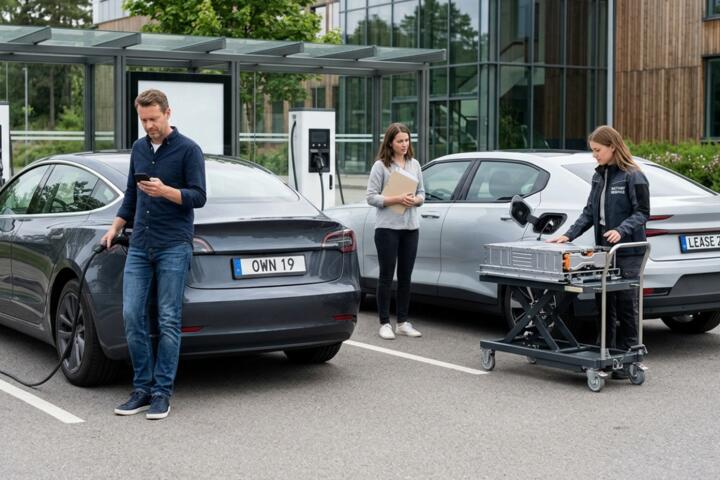
Another pain point involves liability during charging. If a leased battery catches fire while charging at a third-party station like an Ionity or Tesla Supercharger, the legal finger-pointing begins. Is it the fault of the grid, the charger, or the leased battery cell? Without a specific "Leased Battery Endorsement," you may find yourself caught between a manufacturer's warranty that denies a "misuse" claim and an insurer that denies a "manufacturing defect" claim.
The financial consequences are not theoretical. We have seen cases where owners of used EVs with leased batteries were unaware of the lease terms until an accident occurred. They discovered that their insurance payout was $8,000 lower than the buyout fee demanded by the battery owner. This "negative equity" trap is a direct result of failing to align the insurance policy with the lease's indemnification requirements.
Understanding the Total Loss Calculation Discrepancy
When a car with an owned battery is written off, the insurer calculates the value based on the age and mileage of the whole vehicle. With a lease, the car's market value is significantly lower because the battery isn't part of the sale price. If your insurer isn't aware of the lease, they might offer a settlement based on the "car with battery" price but then deduct the battery value once they see the logbook. This creates a bureaucratic nightmare that can delay payouts by months.
The Complexity of Degradation vs. Accidental Damage
Insurance covers "sudden and accidental" loss, not "wear and tear." For owned batteries, capacity loss (SOH - State of Health) is never covered. However, leased batteries often come with a performance guarantee (e.g., replacement if capacity drops below 70%). Drivers often confuse this warranty with insurance. If you hit a piece of road debris that punctures the casing, that is insurance. If the range just drops over time, that is a lease warranty issue. Confusing the two leads to denied claims and lost premiums.
Third-Party Liability and Fire Risks
If an owned battery causes a fire, your third-party liability coverage typically handles damage to surrounding property. With a leased battery, the manufacturer may be held liable if a defect is proven, but the initial claim will still land on the driver's policy. The friction between the insurer’s subrogation department and the battery lessor can lead to years of litigation, during which the driver may be blacklisted from obtaining new coverage.
International Coverage Gaps
For drivers moving between regions—for instance, driving a UK-registered Renault with a leased battery into France—coverage can become murky. Some insurers limit "leased asset" protection to the home country. If a battery is damaged abroad, the logistical cost of returning the leased unit to the manufacturer can exceed $3,000, a cost often excluded from standard European breakdown cover unless specifically added.
The Resale Complication
Selling an EV with a leased battery requires the insurance policy to be cancelled and the lease transferred simultaneously. If the new buyer drives away and the lease transfer hasn't been finalized in the manufacturer's database (like NIO’s cloud system), the original owner’s insurance might still be legally "on the hook" for any incidents, despite no longer possessing the vehicle.
Strategies for Optimizing EV Policy Structure
To ensure full protection, you must obtain a "Leased Battery Endorsement." This is a specific rider added to your policy that acknowledges the battery is owned by a third party. Insurers like Aviva and Direct Line have pioneered specific clauses for this. The endorsement ensures that in the event of a total loss, the insurer pays the manufacturer for the battery and the driver for the car, preventing a breach of the lease contract.
Furthermore, you should insist on "Agreed Value" coverage rather than "Market Value" for the first three years. Because EV depreciation is non-linear—often dropping sharply in the first 12 months—a Market Value policy will not cover the high buyout fees associated with a battery lease. By setting an agreed value, you lock in a payout that satisfies the lessor's demands regardless of market fluctuations.
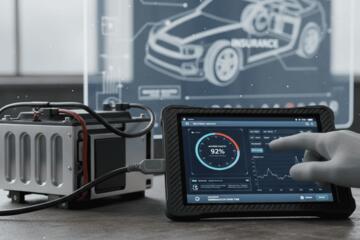
Lastly, leverage telematics data. Services like Geotab or built-in manufacturer diagnostics can prove the "State of Health" of the battery prior to an accident. If an insurer tries to argue that a battery was already failing to reduce a payout, your data logs serve as forensic evidence of the asset's value. This transparency often forces insurers to settle for the full replacement cost rather than a depreciated sum.
Practical Scenarios in Battery Indemnity
Consider the case of a logistics firm in Germany using a fleet of Maxus electric vans with leased power units. One van suffered an underbody strike that cracked the battery housing—a repair costing €14,000. Their standard fleet insurance initially denied the claim, stating the battery was "rented equipment" not owned by the firm. By demonstrating that their policy included "Hired-in Plant" extensions (usually used for construction), they forced a settlement. The takeaway: treat your battery lease like high-value rented machinery, not just a car part.
Another example involves a private owner of a NIO ES6 in Norway. The vehicle was involved in a flood. The insurer paid for the car's interior damage, but the battery lessor demanded a full replacement due to internal sensor corrosion. Because the owner had a "Gap Insurance" policy that specifically included leased components, the $15,000 difference between the insurer's "repair" offer and the lessor's "replacement" demand was covered. Without that specific Gap policy, the owner would have been personally liable for the $15,000.
Comparative Framework: Ownership vs. Lease Insurance
| Feature | Owned Battery Policy | Leased Battery (BaaS) Policy |
|---|---|---|
| Primary Beneficiary | Policyholder (Vehicle Owner) | Split: Owner (Car) / Lessor (Battery) |
| Total Loss Payout | Single check for Market Value | Two checks: One to you, one to Lessor |
| Premium Basis | Total vehicle MSRP | Reduced vehicle MSRP + Battery Rider |
| Repair Authority | Any certified shop | Usually Manufacturer-authorized only |
| Gap Insurance | Recommended for high depreciation | Mandatory to cover lease buyout fees |
| Warranty Interaction | Integrated with vehicle warranty | Independent performance guarantee |
Common Pitfalls to Avoid
- Failing to notify the insurer of the lease: This can be classified as "non-disclosure," which voids the entire policy. Always provide the lease agreement number to your agent.
- Assuming the lease includes insurance: Most leases (like those from Renault Financial Services) include a warranty, but not accidental damage insurance. You are responsible for the latter.
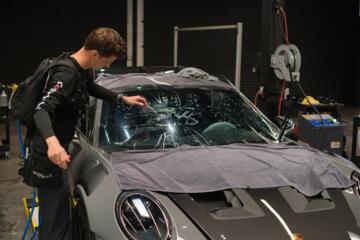
- Underestimating the "Gravel Trap": EVs are heavy. A minor slide into a gravel trap or a high curb can damage the battery tray. Insurers often overlook this until a "Battery Malfunction" light appears weeks later. Ensure an inspection is part of any claim.
- Ignoring the "Salvage" clause: If you own the battery, you own the salvage rights (the leftover minerals are valuable). In a lease, the manufacturer takes the salvage. Don't let your insurer deduct "salvage value" from your payout if you don't actually own the scrap.
FAQ
Does my premium go down if I lease the battery?
Yes, usually. Since the insured value of the car is lower (e.g., $30,000 instead of $45,000), the base premium drops. However, the cost of the "Leased Battery" rider may offset some of these savings.
What happens if the battery lessor goes bankrupt?
This is a legal gray area. Generally, the battery remains an asset of the liquidators. Your insurance remains valid as long as you continue to insure the "interest" of the legal owner, whoever that may be.
Is fire coverage different for leased batteries?
The coverage is the same, but the subrogation process is more complex. Your insurer will likely investigate if the fire was caused by the lease-provider's faulty maintenance or a manufacturing defect.
Can I use a standard Gap Insurance policy for a battery lease?
Not always. You must ensure the Gap policy explicitly covers "contractual lease obligations for third-party components." Standard Gap often only covers the finance on the vehicle itself.
Do I need special insurance for "Battery Swapping"?
If you use NIO’s Power Swap stations, your insurance must cover "fluctuating assets." Since the physical battery in your car changes, your policy must cover any battery currently installed in the vehicle, rather than a specific serial number.
Author’s Insight
In my years analyzing automotive risk, I’ve found that the "split-asset" model of EV ownership is the biggest hurdle for traditional underwriters. My advice is simple: never sign a battery lease without a written confirmation from your insurer that they recognize the lessor as an "additional interested party." I have seen far too many early adopters get hit with "betterment" charges because their policy was written for a 2015 gas car mindset. The future of EV insurance is modular; your policy needs to be just as flexible as your battery setup.
Conclusion
Insuring a leased battery requires a departure from traditional "all-in-one" automotive policies. To protect your investment, you must verify that your insurer acknowledges the third-party ownership of the power cell and that your coverage limits match the replacement costs dictated in your lease agreement. Prioritize Gap insurance and specific leased-asset endorsements to avoid the thousands of dollars in "negative equity" that can arise after a total loss. By aligning your insurance contract with your lease obligations, you ensure that the financial benefits of an EV aren't wiped out by a single unforeseen incident.