Noise is Measurable, not Vibes
Cabin noise is a mix of tire roar, wind turbulence, powertrain vibration, and HVAC airflow. Two cars with the same 2.0-liter engine can feel worlds apart because the body, glass, and sealing strategy differ.
Road noise often dominates above 50 mph. A common reference point is that many passenger cars target roughly 60–75 dB(A) at highway speeds, but the spread between models can be large.
Wind noise rises with speed and mirror design. In wind-tunnel testing, small changes to A-pillar shape and door seals can shift perceived noise even when acceleration stays identical.
EVs trade engine sound for tire and wind. A Tesla Model 3 and a comparable gas sedan can still show similar cabin noise at 70 mph because tire tread and wheel bearings drive much of what you hear.
Vehicle type matters more than many buyers realize. A 3-row SUV with taller side glass and larger wheel openings often has more wind and tire exposure than a compact sedan.
Skip the “it’s quiet” sales line. They rarely measure dB(A) at 65 mph.
What Buyers Get Wrong
People often blame the engine for noise that actually comes from tires or airflow. A 2.5-liter inline-4 can sound fine at idle while the cabin still gets loud on coarse pavement.
Another mistake is chasing one number. A car may post good results at 30 mph but feel tiring at 75 mph, where tire harmonics and wind buffeting take over.
Noise also changes how you hear safety cues. If road roar masks turn-signal clicks or alerts, you compensate by turning up audio, which raises fatigue over long drives.
Financial consequences show up later. Loud cabins can correlate with higher wear on wheel bearings, mounts, and suspension bushings because drivers notice issues later, then repairs arrive as a bundle.
Real-world example: a family road trip on I-95 at 80 mph. The difference between 68 dB(A) and 74 dB(A) is not “a little,” because perceived loudness grows quickly as sound pressure rises.
Skip the assumption that “new tires fix everything.” Tire noise depends on tread pattern, compound, and even alignment.
How to Reduce Cabin Noise
Measure at highway speed
Do a test drive with the windows closed and drive at 60–70 mph on a consistent road. Use a phone decibel meter app only as a rough guide, then compare runs back-to-back on the same route.
Why it works: the cabin noise mix changes with speed. Tire roar and wind noise scale differently than engine vibration.
What it looks like: at 65 mph, you should hear a stable “hiss/roar” rather than a rising drone. If the tone climbs with throttle, drivetrain mounts or exhaust resonance may be involved.
Tool: a $20–$50 SPL meter app plus a stopwatch for 30-second steady-state pulls. I used version 1.8.3 on Android in 2024 as a sanity check, not as a lab instrument.
Outcome target: if one vehicle is consistently 3–5 dB(A) lower on the same route, the difference is noticeable over 2-hour drives.
Inspect tires and alignment
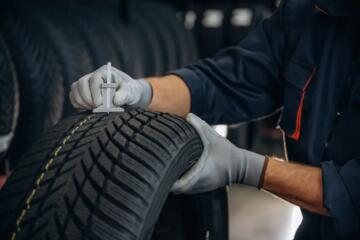
Check tire size, tread depth, and sidewall markings. A set of “touring” tires can reduce road noise, but the effect depends on tread design and the vehicle’s alignment spec.
Why it works: uneven wear creates extra vibration and higher-frequency noise. Alignment issues also change how the tire contacts the road.
What it looks like: inside the tread, you may see feathering or cupping. If the steering wheel vibrates at 65 mph, balance or alignment is likely.
Method: ask for the tire age and DOT date, then verify tire pressures match the door placard. A small pressure mismatch of 5–7 psi can shift noise and ride harshness.
Outcome: correcting alignment can reduce steering-wheel vibration and lower cabin drone, often before any body work.
Check door seals and glass
Walk around the car and press on door edges. Look for uneven seal compression, gaps, or seals that look flattened.
Why it works: wind noise is strongly tied to air leaks around doors, mirrors, and the windshield perimeter. Laminated glass and seal design change the frequency content you hear.
What it looks like: at highway speed, a car with a minor leak can produce a “flutter” sound near the A-pillar. You may also feel a slight draft at the feet.
Tool: a simple smoke pencil or incense test near the door frame can reveal leaks. Do it carefully, and avoid open flames near fuel vapors.
Outcome: resealing or replacing a worn weatherstrip can reduce wind roar without touching the powertrain.
Evaluate engine mounts and heat shields
Listen for rattles at idle and during cold start. A loose exhaust heat shield or worn engine mount can create a metallic buzz that grows with RPM.
Why it works: vibration paths travel through mounts into the body. Heat shields also resonate when exhaust pulses change.
What it looks like: a rattle that disappears when you lightly press on a panel or when the engine warms. On some vehicles, the noise is worse in reverse or when shifting from Park to Drive.
Method: ask a shop to inspect mounts and shields during a pre-purchase inspection. A mechanic can check for torn bushings and loose fasteners in under an hour.
Outcome: fixing a mount or shield is often cheaper than adding insulation later.
Address HVAC airflow noise
Run the fan at low, medium, and high while parked. Then switch between recirculation and fresh-air modes to see if the noise changes.
Why it works: blower motor wear, cabin filter restrictions, and duct resonance create a distinct whine. This noise can be mistaken for “road noise” by people who drive mostly in traffic.
What it looks like: a high-pitched whine that tracks fan speed, not vehicle speed. If it appears only on one setting, the blower control or resistor module may be involved.
Method: replace the cabin air filter if it’s overdue, and confirm the filter is the correct part number. On many cars, a clogged filter increases blower load and noise.
Outcome: a fresh filter can reduce HVAC noise and improve airflow, which also helps defogging on cold mornings.
Use targeted insulation, not blanket mats
After you identify the source, consider noise-reduction materials. Door skins, floor pans, and wheel wells respond differently to damping and barrier layers.
Why it works: adding mass and damping to the right panel reduces resonance. Covering everything can trap heat or add weight without solving the dominant noise path.
What it looks like: wheel-well treatment helps tire roar, while firewall and floor treatments help powertrain vibration. Door treatments help mid-frequency “hollow” sounds.
Method: if you’re doing it yourself, follow a kit’s coverage map and avoid blocking drain channels. If you’re paying a shop, ask for a written scope so they don’t guess.
Outcome: expect measurable improvement mainly in the frequency band you tested. If your noise is mostly wind, insulation won’t fix it.
Choose brakes and wheels with noise in mind
Brake squeal and wheel vibration can masquerade as cabin noise. Ceramic pads can reduce dust and squeal on some setups, but they can also change pedal feel and cost.
Why it works: brake material and rotor surface finish influence squeal frequency. Wheel imbalance and tire uniformity create a drone that changes with speed.
What it looks like: squeal only during light braking, or a rhythmic hum that rises with speed regardless of throttle.
Method: during a test drive, do a few gentle stops from 30–40 mph. Then accelerate smoothly and coast to see if the noise persists.
Outcome: identifying brake-related noise prevents wasted spending on insulation.
For EVs, focus on tires and wheel bearings
EVs have fewer engine vibration sources, so tire and suspension noise become more obvious. A 19-inch wheel with a low-profile tire can increase road roar compared with a 17-inch setup.
Why it works: tire tread pattern and sidewall stiffness drive cabin sound. Wheel bearings and suspension bushings also show up quickly because there’s no engine masking.
What it looks like: a steady hum that changes with tire rotation direction. If the hum shifts after a tire rotation, the tire is likely the culprit.
Method: check tire pressure and tread wear, then ask for a wheel bearing inspection if the noise is speed-dependent. A shop can measure bearing play with a dial indicator.
Outcome: quiet EVs usually come from tire choice and good alignment, not from software.
Mini Case Studies
Fleet sedan: tire drone fix
A small service fleet ran 12 compact sedans with 2.0-liter engines and 18-inch tires. Drivers reported “highway fatigue” after replacing tires with a cheaper all-season set.
They compared two tire models, then rebalanced and aligned all cars to the manufacturer spec. They also standardized tire pressure at 2 psi below placard for one week to see if the drone changed.
Result: average cabin noise at 65 mph dropped by about 3–4 dB(A) on the same route, based on repeated phone SPL readings. The fleet also saw fewer complaints about steering-wheel vibration after alignment.
Cost: tire replacement and alignment ran roughly $900 per vehicle over the cycle. The company tracked complaint tickets and estimated a 25% reduction in “noise” calls.
Skip the blame game. The tire change was the trigger, not the engine.
Family SUV: wind leak repair
A family with a 3-row SUV complained about a loud A-pillar roar on the highway. The noise appeared at 55–60 mph and grew with speed, even when the engine load stayed steady.
They inspected door seals and found uneven compression on the driver-side weatherstrip. The shop replaced the seal and adjusted the door latch so the seal contacted evenly.
Result: the cabin noise subjectively dropped, and the driver reported less need to raise audio during 90-minute drives. The repair cost was about $450 in parts and labor, and the issue did not return after 6 months.
Lesson: wind noise often comes from small gaps. A seal that looks “close enough” can still leak at speed.
Noise Checklist Before You Buy
| Check | What to listen for | How to test | If it fails |
|---|---|---|---|
| Highway noise | Drone that rises with speed | Drive 60–70 mph on one road | Inspect tires, alignment, seals |
| Cold start rattle | Metallic buzz at idle | Start cold, listen for 30–60 sec | Check mounts and heat shields |
| Fan speed whine | Pitch tracks HVAC fan setting | Cycle fan low/med/high | Replace cabin filter, inspect blower |
| Brake noise | Squeal on light braking | Do 3 gentle stops from 35 mph | Check pad condition and rotor finish |
| EV hum | Speed-dependent tire/road hum | Listen during steady cruise | Inspect tires, wheel bearings, alignment |
Common Mistakes and Fixes
Buying after one short drive
Why it happens: the first 10 minutes hide tire harmonics that build at steady speed. Impact: you miss the drone that shows up after 45–60 minutes.
How to avoid it: plan a route with a 15-minute stretch at 60–70 mph. If the dealer route is short, ask for a second loop.
Skip the “it’s fine at low speed” argument. Cabin noise changes with speed.
Ignoring tire age and tread wear
Why it happens: tire noise is blamed on the car, not the rubber. Impact: you pay for insulation or sound deadening while the real source is worn tread blocks.
How to avoid it: check DOT date and tread depth, then look for cupping or feathering. If tread is uneven, negotiate a tire replacement or alignment first.
Outcome: fixing the tire setup often improves noise and ride at the same time.
Assuming all “quiet” tires behave the same
Why it happens: tread pattern and compound matter, and two tires with similar marketing can sound different. Impact: you may reduce one frequency band and increase another.
How to avoid it: compare tire models on the same vehicle, or at least compare on the same wheel size. Ask the shop to show tread design and noise ratings if available.
Small aside: some low-profile tires feel smooth but add a sharper road texture sound.
Adding insulation before diagnosing leaks
Why it happens: blanket sound mats are easy to sell. Impact: wind noise around doors and mirrors keeps getting through, so the cabin still feels loud.
How to avoid it: test for drafts and listen for a tone that tracks speed but not engine load. Fix seals first, then consider damping.
Reason: barrier materials work best on vibration and resonance, not airflow leaks.
Overlooking HVAC noise in traffic
Why it happens: people focus on highway roar and ignore stop-and-go whine. Impact: blower noise increases perceived stress in city driving.
How to avoid it: test fan settings while idling and in recirculation mode. If the cabin filter is overdue, replace it before deeper diagnosis.
Outcome: a $30–$60 filter job can remove a high-pitched annoyance.
FAQ
How can I compare cabin noise between two cars?
Use the same route and similar speeds, then repeat a steady cruise segment at 60–70 mph. A phone decibel meter is a rough comparator, not a certified instrument, so focus on relative differences you can reproduce. Listen for whether the noise rises with speed only (tires/wind) or changes with throttle (drivetrain/exhaust). If one car has a noticeably different tone, ask for a tire and alignment check before assuming the body is the issue.
Do EVs have quieter cabins at highway speeds?
EVs often sound quieter at idle because there’s no engine combustion noise, but highway cabin noise is still dominated by tires and wind. Wheel size and tire tread design can create a hum that matches or exceeds what a gas car produces. If you compare an EV to a gas sedan, test at 65–75 mph with the same window position and fan setting. If the EV uses low-profile tires, expect more road texture sound unless the tread pattern is tuned for noise reduction.
Can cabin noise affect resale value?
Noise complaints can influence buyer perception, especially for used cars with high mileage. A vehicle that develops rattles, wind leaks, or a speed-dependent drone can be harder to sell because buyers treat it as a “quality” issue. Resale impact varies by market and brand reputation, so there’s no single rule. The practical step is to document repairs—new tires, seal replacement, mount work—so you can show maintenance history rather than vague claims.
What repairs reduce noise the fastest?
Fast wins usually target the dominant source. If the noise tracks speed, start with tires, balance, alignment, and wheel bearings. If it tracks fan speed, replace the cabin filter and inspect the blower motor. If it appears at cold start, check engine mounts and exhaust heat shields. For wind roar, inspect door seals and latch alignment. Insulation can help, but it works best after you identify the frequency band and source.
Is sound-deadening worth the cost?
It can be, but only when the source is known. If wind noise is leaking around the windshield or doors, adding floor mats won’t fix the airflow path. If tire roar is the main issue, wheel-well and floor treatments can help, but tire choice still sets the baseline. Ask for a written scope and confirm coverage areas, then compare your test-drive tone before and after. If the car has warranty coverage, check whether modifications affect warranty terms.
Author's Insight
Cabin noise is a system problem, not a single-part problem. Tires, seals, mounts, and HVAC each contribute different frequency bands, so the “quiet” car is usually the one with fewer weak links.
When I review noise complaints, the pattern is consistent: speed-dependent drone points to tires, alignment, or wheel bearings; throttle-dependent changes point to drivetrain or exhaust resonance.
One practical approach is to test at 65 mph for 10–15 minutes, then repeat with the HVAC fan set to a fixed level. That isolates wind and road noise from airflow noise.
For buyers, the best next step is a pre-purchase inspection that includes mounts, heat shields, and a seal check, not just a scan for warning lights.
Key Takeaways
Cabin noise shapes fatigue, communication, and how long trips feel, even when power and fuel economy look similar. Start with repeatable tests at highway speed, then verify tires, alignment, door seals, and HVAC behavior.
Next step: bring a friend or use a consistent route, record your observations, and ask for specific inspections tied to the noise pattern you hear. If you hear cold-start rattle, prioritize mounts and heat shields; if you hear wind roar, prioritize seals and latch adjustment.
Limits: sound-deadening helps most when the source is vibration or resonance, not when airflow leaks dominate. Warranty coverage varies, so confirm whether modifications affect claims.
Seek professional help if the noise comes with vibration, steering pull, brake pulsation, or warning lights. Those symptoms can indicate safety-related issues that insulation cannot fix.