Fluid Change Intervals
A fact: fluid life depends on heat cycles, contamination, and how the vehicle is used. A 5,000-mile oil interval in a highway commuter can be too long for a truck that tows 7,000 lb on summer grades.
Many manufacturers publish oil-change intervals around 7,500–10,000 miles for modern engines, but that assumes steady operating conditions and specific oil specs. Brake fluid is different; it absorbs moisture over time, and many service schedules target replacement roughly every 2–3 years regardless of mileage.
Vehicle type matters more than many buyers realize. A 2.0L turbo in a compact car runs hotter under load than a naturally aspirated 3.5L V6 that spends most days cruising. Fleet data also shows why: brake fluid moisture content can rise quickly in humid climates, and that affects boiling point under repeated hard stops.
Skip the “miles only” mindset. It ignores time-based aging, which is why brake fluid and coolant can degrade even when the odometer barely moves.
Industry practice also reflects this. Coolant is usually serviced on a time basis too, often around 5 years or 60,000 miles depending on chemistry, while automatic transmission fluid intervals vary widely by design and duty cycle.
Why People Get Timing Wrong
People usually miss the real trigger: operating temperature and contamination rate. Short trips keep the engine from reaching full warm-up, so moisture and fuel dilution build in engine oil. That’s why a vehicle driven 8 miles to work can need oil service sooner than a vehicle driven 20 miles at steady speed.
Another common mistake is trusting a sticker or app that assumes normal use. If you tow, idle for long periods, or drive in stop-and-go traffic, the same interval becomes a guess, and guesses get expensive.
Consequences show up in predictable ways. Overdue coolant can lead to corrosion and water pump wear, while old brake fluid can lower the boiling point and trigger fade on long descents. Neglecting transmission fluid can accelerate clutch material wear and valve-body deposits, which then raises repair frequency.
Real-world example: a delivery van that idles 2–3 hours per day can accumulate soot and fuel dilution in engine oil faster than a highway car. That’s not theory; it’s the reason fleet maintenance logs often track hours as well as miles.
Skip the “it shifts fine” check. Transmission wear can start quietly, then symptoms appear after the fluid’s additive package is depleted.
Fluid Service Steps and Targets
Engine oil: match duty cycle
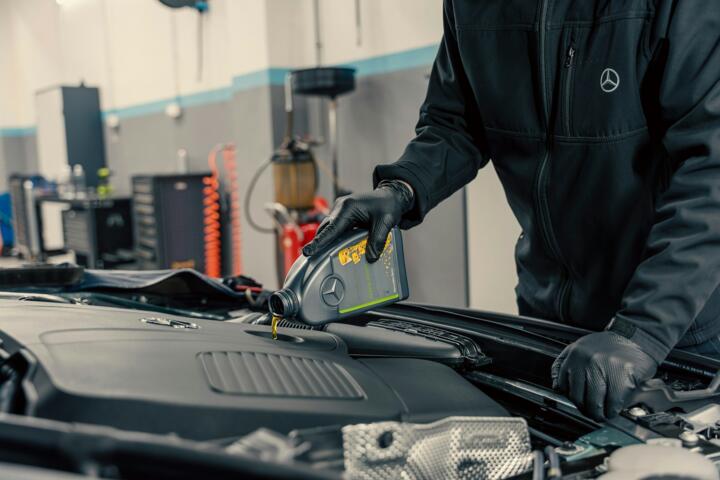
Do: follow the oil spec on the cap or manual, then adjust interval for short trips and towing. Why it works: oil additives neutralize acids and keep soot suspended, but they get consumed faster when the engine runs cool or works hard. In practice, check the oil level and condition at least monthly; dark oil isn’t automatically bad, but low level and gritty feel are.
Use: a dipstick inspection and an oil analysis if you want hard numbers. Many labs report trends like viscosity shift and fuel dilution; a common threshold for concern is when fuel dilution rises enough to thin the oil, which can happen in repeated short trips. If your vehicle is a 2.0L turbo, expect higher thermal stress under boost, and plan accordingly.
Skip the “reset and forget” routine. Oil life monitors can be conservative, but they also can’t see fuel dilution from cold starts.
Coolant: time and chemistry
Do: replace coolant based on the chemistry and the schedule, not just mileage. Why it works: coolant inhibitors protect aluminum and cast iron from corrosion, and those inhibitors deplete over time. In practice, look for the correct color/type in the reservoir and avoid mixing incompatible chemistries.
Use: a cooling-system pressure test during service. A pressure test checks for small leaks that don’t show up until the system heats up. Many modern coolants are long-life, often targeting 5 years or 60,000 miles, but that varies by manufacturer and region.
Skip the “top it off with anything” habit. Mixing can reduce inhibitor performance, and the system may corrode faster than expected.
Brake fluid: moisture is the enemy
Do: replace brake fluid on a time interval, then bleed correctly. Why it works: brake fluid absorbs water, lowering the boiling point and increasing corrosion risk inside calipers and ABS components. In practice, you’ll see a color change and sometimes a gritty feel in the reservoir, but the best indicator is a moisture test.
Use: a brake fluid tester or a shop moisture test. Many shops target replacement around every 2 years for high-demand driving, and 3 years for milder use, though schedules vary. If you drive a 3.5L V6 SUV with frequent mountain braking, the moisture and heat cycles stack up faster.
Skip the “no symptoms” logic. Boiling point drops before you feel anything, then fade appears during repeated hard stops.
Automatic transmission: follow the spec
Do: service transmission fluid using the method the manufacturer specifies. Why it works: fluid carries heat away and maintains hydraulic pressure, while additives protect clutches and seals. In practice, some transmissions require a drain-and-fill to avoid overfilling, while others support a full exchange.
Use: the correct fluid type and temperature procedure. A shop that performs a level check at operating temperature matters, because overfilled fluid foams and can cause harsh shifts. For a 6-speed or 8-speed automatic, intervals often land around 30,000–60,000 miles, but the manual may specify different targets based on design.
Skip the “flush it every time” reflex. Some systems don’t tolerate aggressive exchanges, especially with unknown service history.
Manual transmission and clutch hydraulics
Do: change manual gearbox oil at the interval in the manual, and service clutch hydraulics if equipped. Why it works: gear oil protects synchronizers and bearings, while hydraulic fluid ages and can absorb moisture. In practice, a manual gearbox may feel fine until synchro wear increases, then shifting becomes harder, especially when cold.
Use: the correct viscosity and API/GL rating for the gearbox. Many manual transmissions use 75W-90 or similar grades, and the wrong spec can change shift feel and wear. Clutch hydraulics often share brake-fluid chemistry, so time-based replacement can matter.
Skip guessing the fluid type. The wrong GL rating can accelerate wear in the gear set.
Differential and transfer case oil
Do: service front/rear differential oil and transfer case oil on schedule, especially if you tow or drive off-road. Why it works: hypoid gear oil handles extreme pressure, and friction modifiers control chatter in limited-slip units. In practice, you may notice a change in driveline noise after overdue service, but the wear can start earlier.
Use: the correct friction-modifier formulation for the axle type. For example, limited-slip differentials can require specific additives; using the wrong one can cause chatter. Many schedules target 30,000–60,000 miles depending on axle design and duty cycle.
Skip the “it’s sealed forever” assumption. Seals age, and gear oil contamination builds even without visible leaks.
Power steering and brake-related fluids
Do: follow the manual for power steering fluid, and inspect hoses for seepage. Why it works: fluid carries hydraulic pressure and lubricates seals, while contamination can cause pump noise. In practice, some vehicles use electric power steering, so there is no fluid service; others use hydraulic systems with service intervals that vary.
Use: a leak inspection and a fluid condition check. If the fluid looks dark or smells burnt, the system may have internal wear. A 2010s-era hydraulic system can show pump whine under low fluid, but the fix is usually more than topping off.
Skip the “top off only” habit. If the level drops, you’re chasing a leak, and the pump can run dry enough to damage seals.
Windshield washer fluid and wiper maintenance
Do: refill washer fluid and use the right concentrate for freeze protection. Why it works: washer fluid is mostly about cleaning performance and preventing freezing in the lines. In practice, low fluid level can hide a failing pump, and wrong winter concentrate can crack components.
Use: a quick check of the nozzle spray pattern and pump operation. If the spray is weak, the filter screen can clog, and the pump may draw extra current. This isn’t a “wear item” like oil, but it affects visibility and road safety.
Skip the “any blue liquid” approach. Some mixes leave residue that smears and reduces visibility at night.
Mini Case Studies:
A small fleet of 14 sedans used 10,000-mile oil intervals because the oil life monitor stayed green. After switching to a 7,500-mile interval for vehicles with under 15 miles per trip, they saw fewer oil-related warranty claims tied to sludge buildup. The fleet also started tracking engine hours, and the worst offenders were the ones with the most cold starts.
Result: oil analysis showed lower fuel dilution on the adjusted schedule, and the shop reported less frequent valve cover cleaning at 60,000 miles. Costs dropped because fewer engines needed internal cleaning work, which is labor-heavy.
Another case involved a towing-heavy pickup used for weekend hauling. The owner replaced brake fluid every 2 years instead of waiting for a mileage-based reminder. After two seasons of mountain descents, the shop measured higher moisture content in the old fluid and confirmed the boiling point margin improved after the change.
Result: brake fade complaints dropped, and the vehicle’s pads and rotors showed more consistent wear. The owner still needed normal brake service, but the “surprise” events became rare.
Fluid Schedule Checklist
| Fluid | Typical interval | What shortens life | What to check |
|---|---|---|---|
| Engine oil | 7,500–10,000 miles (spec-dependent) | Short trips, towing, idling | Level, condition, oil analysis if needed |
| Coolant | ~5 years or 60,000 miles | Contamination, leaks, wrong chemistry | Reservoir level, pressure test |
| Brake fluid | Every 2–3 years | Humidity, repeated hard braking | Moisture test, bleeding quality |
| Automatic trans | Often 30,000–60,000 miles | Heat, towing, harsh shifting | Correct fluid + temperature level check |
| Differential/transfer | 30,000–60,000 miles | Off-road, towing, axle heat | Correct friction modifiers, seal inspection |
Skip the checklist-only approach. Your manual and your driving pattern still decide the final interval.
Common mistakes and fixes
People often wait for a warning light that never comes. Engine oil can degrade without a dashboard alert, and transmission fluid can darken long before it triggers a fault. Avoid it by checking the manual interval and adjusting for short trips and towing.
Another mistake is using the wrong fluid type. A mismatch in coolant chemistry or transmission fluid spec can reduce additive performance, and the system may corrode or shift poorly. Avoid it by matching the exact spec number listed in the owner’s manual, not just the fluid “type.”
Skip the “flush everything” habit. It can stir debris in a neglected system, which sometimes leads to leaks or valve sticking. Avoid it by starting with a drain-and-fill when service history is unknown, then reassessing after a few cycles.
People also ignore time-based fluids. Brake fluid and coolant age even when mileage is low, and moisture absorption is driven by time and humidity. Avoid it by setting calendar reminders for 2–3 year brake fluid checks and coolant service windows.
Finally, some owners treat towing like it’s the same as normal driving. Heat load rises, and gear oil and transmission fluid see higher temperatures. Avoid it by shortening intervals for towing months and using a shop that measures fluid temperature during service.
FAQ
Do I change fluids by miles only?
No. Miles matter, but time-based aging affects brake fluid and coolant, and short-trip driving accelerates engine oil contamination. A vehicle that covers 5,000 miles in a year with frequent cold starts can need oil service sooner than a highway car that covers 5,000 miles with fewer temperature swings. Use the manual’s interval as a baseline, then adjust for duty cycle: towing, idling, and repeated city driving shorten fluid life.
How often should brake fluid be replaced?
Most schedules target brake fluid replacement every 2–3 years, even when mileage is low. The reason is moisture absorption: brake fluid pulls water from the air, which lowers boiling point and increases corrosion risk inside the hydraulic system. If you drive in humid climates or do repeated hard stops, shorten the interval and ask for a moisture test. After bleeding, verify pedal feel and check for leaks around calipers and ABS modules.
Is transmission fluid service the same for all cars?
Transmission fluid service varies by transmission design and manufacturer procedure. Some automatics specify drain-and-fill at a mileage interval, while others allow a full exchange under controlled conditions. The key is using the correct fluid spec and checking the level at the correct temperature, because overfilling can cause foaming and shift issues. If service history is unknown, a conservative drain-and-fill is often safer than an aggressive flush.
What coolant interval should I follow?
Follow the coolant chemistry and the schedule in the owner’s manual. Many long-life coolants target around 5 years or 60,000 miles, but the interval changes with chemistry type and regional requirements. If you see low coolant level, stop and diagnose leaks before topping off. Mixing incompatible coolants can reduce corrosion protection, so match the exact type and spec number listed for your vehicle.
Can I extend oil changes with an oil life monitor?
Oil life monitors estimate remaining oil life using driving conditions, but they can’t measure fuel dilution from cold starts with perfect accuracy. If your driving includes many short trips, frequent idling, or towing, shorten the interval even when the monitor stays optimistic. A practical approach is to use the monitor for highway-heavy months, then switch to a shorter schedule for city-heavy months. Oil analysis can confirm whether the oil is thinning or accumulating contaminants.
Author's Insight
Fluid intervals work best when they match how heat and contamination build in your specific vehicle. Brake fluid and coolant age on a time basis because moisture and inhibitor depletion don’t care about mileage. Engine oil intervals often look generous on paper, but short trips and towing change the oil’s chemistry faster than the odometer suggests.
For a practical plan, treat the owner’s manual as the baseline, then adjust for duty cycle and set calendar reminders for time-based fluids. If you want hard evidence, oil analysis and brake fluid moisture testing turn “guessing” into measurable data, which helps when you’re deciding whether to shorten intervals.
Key Takeaways
Start with the owner’s manual schedule, then adjust for short trips, towing, and repeated hard braking. Use time-based reminders for brake fluid and coolant, because they degrade even with low mileage. Skip the “reset and forget” approach on oil life monitors when your driving includes many cold starts.
Next step: pick one fluid to audit this month—engine oil level and condition, or brake fluid moisture testing—and schedule the service that matches your findings. If you see warning lights, coolant loss, or a spongy brake pedal, stop driving and get professional diagnosis. For persistent transmission symptoms like delayed engagement, harsh shifts, or unusual noises, a shop inspection matters before you try to “fix it with a fluid change.”