Understanding Oil Change Timing
Most drivers assume oil changes should occur every 3,000 or 5,000 miles, but these numbers alone only tell part of the story. In 2020, the average recommended interval by vehicle manufacturers was around 7,500 miles, a figure that can vary widely. For example, synthetic oil can last up to 10,000 miles, but if you drive in dusty or stop-and-go conditions, that number changes. Engine wear and oil degradation don’t follow a fixed schedule but depend on multiple factors happening inside and outside the car. I once used a 2008 Honda Accord which recommended 7,500 miles, yet frequent highway driving pushed me to double the interval safely.
Common Misconceptions and Issues
Many neglect manufacturer guidelines or blindly follow outdated intervals from decades ago. The harm? Premature engine sludge or wasted money on unnecessary changes. Some believe synthetic oils never need changing, which is false. Oil degradation speeds up dramatically in city traffic due to excessive idling and humidity buildup. Using junk oil formulas, cheap filters, or ignoring engine check lights contributes too. I spoke with a technician who saw 5 vehicles stripping engines simply because owners trusted interval stickers without online research. Guess what? Engines don’t care about your calendar.
Practical Steps to Get It Right
Consult Your Owner’s Manual
Start here. Manufactures test engines under specific conditions and tailor oil advice accordingly. Your Dodge Ram’s timing differs from a Toyota Prius’s by thousands of miles because of engine design and tech. Manuals may list separate intervals for normal and severe driving, which often includes frequent short trips or driving in extreme temperatures.
Know Your Oil Type
Conventional oil generally supports 3,000-5,000 miles at most. Synthetic blends push 5,000-7,500, while full synthetics often exceed 10,000 miles. These numbers assume average conditions. Valvoline’s premium full synthetic, for instance, touts oxidation resistance lasting beyond 12,000 miles, but real-world data often fall short. Also, synthetics protect better from sludge.
Consider Driving Habits
Stop-and-go traffic, towing, dusty roads, cold starts below 20°F, high-speed highway driving—all shorten oil life. Urban drivers usually change oil twice as often as highway-only drivers. I track this info with Torque Pro app, which estimates oil life percentage by logging driving patterns.
Check Oil Condition Physically
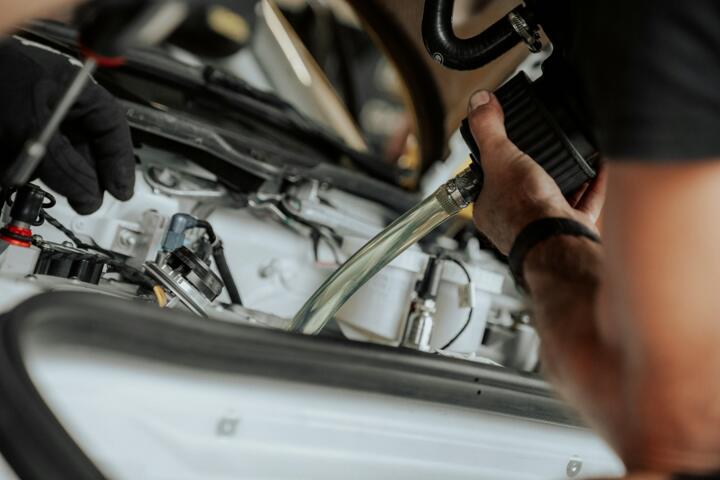
Color and texture matter. Black or gritty oil indicates contaminants or breakdown. Use an oil analysis kit for precise measurement of contaminants like metals or soot. The AMSOIL analysis report I got back from version 4.23 said my oil was far from due despite 8,000 miles, saving me a change.
Use Quality Oil Filters
A cheap filter won’t trap contaminants effectively, reducing oil lifespan. Brands like Mobil 1, K&N, and Bosch consistently outperform on filtration efficiency and capacity. They ensure trapped dirt doesn’t circulate, minimizing engine wear between changes.
Monitor Engine Sensors and Alerts
Modern cars use oil life monitors on ECU. These adjust intervals dynamically based on sensor input about temperature, RPM, and driving style. Ignore these at your peril—your car measures what you ignore.
Schedule Based on Mileage and Time
Even if mileage is low, change oil every 6-12 months depending on oil type and environment. Moisture accumulates in oil over time, especially if a car sits idle weekdays.
Maintain Records and Track Changes
Track exact dates, mileage, and conditions for past oil changes. Apps like Carfax or SimpleOil Log help avoid guesswork, revealing real trends for your vehicle.
Consider Professional Advice
Experienced mechanics have seen hundreds of vehicles and from that database can assess what suits your exact car and usage best, which, frankly, most people skip. Your dealership or trusted service center can review your history and provide a customized schedule.
Real Cases Demonstrate Effects
A commercial delivery company running 50 vans in New York faced premature engine wear after sticking to 10K-mile oil changes with synthetic oil. After switching to 5,000 miles and using high-efficiency filters, engine maintenance costs dropped 30% in one year—downsized downtime proved critical.
Meanwhile, a freelancer with a 2015 Subaru Forester who tracked her driving with an oil life app and extended oil changes to 9,000 miles without issues saved $150 annually on less frequent oil changes and replaced fewer engine parts after 3 years.
Quick Oil Change Checklist
| Factor | Conventional Oil | Synthetic Blend | Full Synthetic |
|---|---|---|---|
| Recommended Miles | 3,000-5,000 | 5,000-7,500 | 7,500-12,000+ |
| Severe Use Interval | 1,500-3,000 | 3,000-5,000 | 5,000-7,500 |
| Filter Quality | Basic | Mid-grade | Premium |
| Typical Cost per Change | $25-$40 | $35-$55 | $50-$80 |
Oil Change Errors to Dodge
Avoid changing oil too soon just because a scheduling app beeped; check condition first. Also, don’t rely solely on mileage—time and environment affect oil enormously. Mixing oil types or low-quality oil leads to poor engine protection. I saw a client use an off-brand oil that looked clear but lost viscosity after 4,000 miles; engine noise increased noticeably. Skipping the oil filter change when switching oils can also nullify benefits. Finally, ignoring oil level drops between changes causes damage faster than delay in changes.
FAQ
How often to change synthetic oil?
Most synthetics support 7,500 to 10,000 miles under normal driving. Severe conditions require closer to 5,000 miles.
Can I extend oil changes with oil analysis?
Yes. You can test contaminants and wear metals to time changes better, sometimes doubling intervals safely.
Is oil change frequency affected by engine type?
Yes. Turbocharged engines often require more frequent changes due to higher operating temperatures.
Does short-distance driving reduce oil life?
Definitely. Frequent short trips don’t heat oil enough to evaporate moisture, causing faster degradation.
What happens if I skip an oil change?
Skipping can cause sludge buildup, reduce engine efficiency, and in worst cases, lead to engine failure.
Author's Insight
From my workshop years, the biggest surprise came from drivers who insisted on fixed intervals, ignoring real conditions. I started using oil analysis tools in 2018, which dramatically improved my service accuracy. Tailoring oil changes this way reduces waste and engine wear. Trusting your car's sensors beats sticking to dates alone, and using quality oil and filters is a must.
Summary
Oil change intervals hinge on oil type, driving style, vehicle design, and environmental factors—not just miles. Consult manuals, watch oil condition, use quality products, and leverage tech like oil life monitors for best results. This approach saves money and keeps engines healthier longer. Your car’s health depends more on decisions than timers alone.