The Evolution of Risk in Connected Mobility
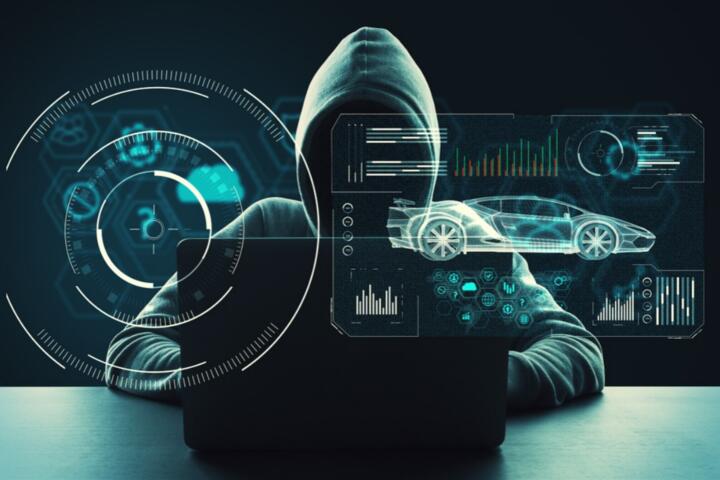
The transition from mechanical transport to "software-defined vehicles" (SDVs) has fundamentally altered the risk profile of the automotive industry. A typical high-end vehicle today operates on over 100 million lines of code, managing everything from Advanced Driver Assistance Systems (ADAS) to infotainment and biometric locks. This complexity creates an expansive attack surface that traditional comprehensive auto insurance was never designed to cover.
Cyber insurance for vehicles is a specialized niche within the broader cyber liability market. It addresses the "gray zone" where physical damage meets digital intrusion. For instance, if a hacker exploits a vulnerability in a vehicle’s Cellular V2X (Vehicle-to-Everything) module to cause a collision, a standard policy might cover the dented bumper, but it likely won’t cover the forensic investigation to patch the software or the liability for the data leaked during the breach.
Real-world data underscores this urgency. In 2024 and 2025, security researchers identified critical vulnerabilities in the API endpoints used by major brands like Tesla, Mercedes-Benz, and Hyundai, which could have allowed unauthorized remote access to GPS location and door locks. Industry reports suggest that cyberattacks targeting automotive components increased by over 200% in the last three years, moving from theoretical "white hat" experiments to actual ransomware attacks on logistics fleets.
Understanding the Connectivity Pain Points
Many vehicle owners and fleet managers mistakenly believe that standard "Comprehensive and Collision" coverage protects against digital threats. This is a dangerous assumption. Standard policies are reactive and physical; they do not account for the intangible assets—data, software integrity, and privacy—that define a connected car. When a breach occurs, the lack of specialized coverage leads to massive out-of-pocket costs for software restoration and legal defense.
The primary issue is the "multi-vector" nature of automotive threats. A hacker doesn't just steal the car; they can steal the owner's identity via stored credit card info in the infotainment system or hold the vehicle’s functionality hostage via ransomware. Most drivers fail to update their vehicle's firmware, leaving known exploits open for years. This negligence can lead to insurance claim denials if the policy requires "reasonable care" in maintaining software security.
Consider the consequences of a fleet-wide breach. If a delivery company’s routing software is compromised, the loss isn't just one van; it’s the total cessation of operations, loss of customer trust, and potential regulatory fines under GDPR or California’s CCPA. Without a specific cyber rider, these business interruption losses are rarely recoverable.
Technical Safeguards and Insurance Requirements
Implementing Multi-Factor Authentication for Vehicle Apps
Most modern vehicles are controlled via smartphone apps like MyBMW or the Tesla app. These are prime targets for credential stuffing attacks. Insurance providers are now beginning to offer lower premiums to users who demonstrate the use of hardware security keys or robust multi-factor authentication (MFA) for their vehicle accounts. This works by ensuring that even if a password is leaked, the "command and control" layer remains inaccessible to the attacker.
Utilizing Automotive Cybersecurity Posture Management (ACPM)
For fleet managers, using tools like Upstream Security or Karamba Security is becoming a prerequisite for high-limit cyber policies. These platforms provide real-time monitoring of vehicle telemetry to detect anomalies. For example, if a vehicle's CAN bus (Controller Area Network) shows a sudden spike in diagnostic requests, the ACPM flags it as a potential injection attack. Insurers favor this because it moves the risk profile from reactive to proactive.
Mandatory Over-the-Air (OTA) Update Protocols
Policyholders must ensure their vehicles support and are set to receive OTA updates. Historically, fixing a security flaw required a physical recall. Today, brands like Rivian and Ford push security patches wirelessly. An insurance policy often includes a "Warranted Updates" clause, stating that the insured must apply critical security patches within 30 days of release to maintain coverage for digital exploits.
Securing the Vehicle-to-Home (V2H) Interface
As electric vehicles (EVs) become integrated with home power grids, the car acts as a gateway to the household network. Hackers can use a compromised EV charger (EVSE) to pivot into a home’s private data. Expert-level cyber insurance now covers "Lateral Movement" damages, protecting the homeowner if a vehicle breach leads to the compromise of their home office or personal computers.
Data Privacy and Identity Theft Protection
Connected cars collect massive amounts of "Personally Identifiable Information" (PII), including frequent locations, voice recordings, and even biometric data. Services like Norton 360 with LifeLock are often bundled with automotive cyber policies to provide 24/7 monitoring. If your car’s head unit is hacked and your social security number is leaked, the insurance covers the legal costs of identity restoration and credit monitoring.
Hardening the OBD-II Port Security
The On-Board Diagnostics (OBD-II) port is a physical backdoor to the car's brains. Thieves use "game boy" style devices to clone keys via this port. High-value policies often recommend or require the installation of physical OBD-II locks or electronic firewalls. These devices prevent unauthorized writes to the ECU (Engine Control Unit), effectively neutralizing the most common high-tech theft method.
Real-World Cyber-Physical Incidents
Case Study: The Logistics Ransomware Event
A mid-sized logistics firm in 2025 experienced a ransomware attack where 40 of their connected delivery vans were remotely "bricked" while parked overnight. The attackers demanded 5 BTC to unlock the ignitions. Because the firm had a dedicated Automotive Cyber Liability policy through a provider like Munich Re, the insurer provided a digital forensics team immediately.
- Action taken: The forensics team isolated the infected server and used a clean backup to push an emergency firmware override.
- Result: The vans were back on the road in 14 hours. Total loss covered: $120,000 in lost revenue and $45,000 in technical fees. Without insurance, the company estimated a $300,000 total loss and potential bankruptcy.
Case Study: The Infotainment Data Breach
An executive's luxury sedan was targeted via a malicious Wi-Fi hotspot. The attacker gained access to the vehicle's synced calendar and contacts, leading to a targeted phishing campaign against the executive’s company.
- Action taken: The executive’s "Cyber First" rider covered the cost of notifying all affected contacts and paid for a specialized PR firm to manage the reputational fallout.
- Result: The insurance payout totaled $85,000, covering legal settlements and security audits. The breach was contained before sensitive corporate data was compromised.
Connected Car Security Checklist
| Step | Action Item | Priority |
|---|---|---|
| 1 | Disable "Auto-Join" for public Wi-Fi in vehicle settings. | High |
| 2 | Use a dedicated, unique password for the vehicle's mobile app. | Critical |
| 3 | Check for firmware updates monthly via the manufacturer's portal. | High |
| 4 | Install a physical lock on the OBD-II port to prevent key cloning. | Medium |
| 5 | Review insurance "Exclusions" for "Electronic Data Loss." | Critical |
| 6 | Audit third-party apps (e.g., parking or fuel apps) with vehicle access. | Medium |
| 7 | Reset infotainment system to factory settings before selling/trading. | High |
Common Pitfalls in Digital Vehicle Protection
A frequent mistake is the "Subscription Trap." Many owners assume that because they pay for a manufacturer's safety service (like OnStar or Toyota Safety Connect), they are insured against hacking. These services provide assistance, not indemnity. They might help you locate a stolen car, but they won't pay for the legal liability if your car’s data is used to breach a corporate network.
Another error is ignoring the "User Agreement" updates. Manufacturers frequently update their data privacy policies. By clicking "Accept" without reading, you may be waiving your right to sue the manufacturer for a data breach, making your private cyber insurance policy your only line of financial defense.
Lastly, owners often neglect the hardware-software link. Using "cheap" third-party OBD-II Bluetooth dongles for engine diagnostics is a massive security hole. These devices often lack encryption, allowing any smartphone within 30 feet to sniff traffic on your car's internal network. Always use hardware certified by the manufacturer or reputable security firms.
FAQ
Does my standard car insurance cover me if someone hacks my car?
Usually, no. Standard policies cover physical theft or damage. If a hacker disables your car without causing physical damage, or steals your personal data through the infotainment system, you are likely not covered unless you have a specific cyber endorsement.
How much does automotive cyber insurance cost?
For individuals, it is often an "add-on" or "rider" costing between $50 and $150 per year. For commercial fleets, premiums are calculated based on the number of vehicles and the level of data encryption used, typically ranging from $1,000 to $5,000 per year for small fleets.
Can a hacker actually take control of my steering or brakes?
While extremely difficult and rare, security researchers (such as Miller and Valasek in their famous Jeep hack) have proven it is possible on certain models with vulnerabilities. Modern vehicles have better isolation between infotainment and critical systems, but the risk remains high enough that insurers now factor it into their "Product Liability" models.
Will installing a dashcam help with a cyber insurance claim?
Yes. If a cyberattack causes erratic vehicle behavior leading to a crash, dashcam footage can provide evidence that the driver was not at fault and that the vehicle's systems were compromised, supporting a claim under the "Cyber-Physical Damage" clause.
What should I do immediately if I suspect my car has been hacked?
Shift to a safe location and turn off the vehicle. Contact your manufacturer’s security concierge and your insurance provider's 24/7 cyber hotline. Do not attempt to "reset" the software yourself, as this might delete forensic evidence needed for the insurance claim.
Author's Insight
In my years observing the intersection of automotive tech and risk management, I’ve seen the conversation shift from "if" to "when." We are currently in the "wild west" of automotive data; car companies are essentially data brokers, and where there is data, there are predators. My strongest advice is to treat your car's digital credentials with the same intensity as your bank login. A hardware OBD lock is the cheapest and most effective physical deterrent you can buy today, but a robust insurance rider is what will save your personal finances when the software inevitably fails.
Conclusion
The convenience of the connected car comes with a hidden "digital tax" in the form of increased vulnerability. As vehicles integrate more deeply with our personal lives and home networks, the distinction between a car accident and a data breach continues to blur. Protecting yourself requires a dual approach: rigorous digital hygiene—such as using MFA and timely software updates—and the financial safety net of a specialized cyber insurance policy. Don't wait for a "Service Engine Soon" light to appear on your dashboard due to a ransomware prompt; audit your coverage today to ensure your mobility remains secure in the digital age.