Why Trim Labels Confuse
Trim names look comparable, but the equipment mix often changes more than buyers expect. A “mid” trim can carry different wheels, braking hardware, and driver-assist sensors than a “base” trim with options. That matters because these parts affect repair bills and resale value, not just monthly payments.
In the U.S., the EPA rates fuel economy in miles per gallon (mpg) under standardized tests, but real-world results vary with speed, tires, and drivetrain gearing. A 10–15% difference between EPA and observed highway mpg is common enough to plan around. Trim choices can shift rolling resistance through tire size and wheel weight, which changes consumption.
Skip the sticker math. It hides the real differences.
For example, two trims of the same SUV may share a 2.0-liter turbo engine, yet one may use larger 20-inch wheels and wider tires. That can reduce highway mpg by a few mpg and raise tire replacement costs. Safety tech also varies: some trims include adaptive cruise control and lane centering, while others require a package or higher trim level.
Ownership costs follow the hardware. Tires, brakes, and sensors wear out on a schedule, and trim determines which parts are on the car. Warranty coverage also differs by region and model year, so the trim label can change what’s covered for powertrain versus electronics.
What Buyers Get Wrong
People often assume “comparable trims” means identical capability. In practice, manufacturers bundle features into trim levels and option groups that don’t map cleanly across markets or model years. The result is a car that feels similar on paper but behaves differently in daily use.
Skip the assumption. It leads to surprises.
One common mistake is comparing only the engine and the starting price. A trim with a 3.5-liter V6 might still be slower to stop if it uses smaller brakes, and it might have different towing hardware. Another mistake is treating driver-assist features as all-or-nothing. Some systems require a specific camera and radar package, and the car may not support certain functions even if the screen looks the same.
Consequences show up fast. If you buy a trim with 19-inch tires instead of 17-inch, you may pay more per tire and see faster tread wear on rough roads. If you buy a trim without rear air vents, rear passengers notice on long trips, and you’ll end up using the front climate harder. If you buy a trim without a power liftgate, you’ll feel it every time you load groceries in the rain.
Financially, insurance can change by trim because repair costs differ. A higher trim with more cameras and sensors can raise claim severity, even when the crash rating is the same. Depreciation can also shift: trims with popular options often hold value better, while niche packages can be harder to resell.
How to Compare Trims
Match the powertrain first
Do this: confirm the exact engine and transmission pairing, not just the engine size. A 2.5-liter four-cylinder with an 8-speed automatic can behave differently from the same engine paired to a continuously variable transmission in throttle response and fuel economy. Why it works: drivetrain calibration affects shift timing, engine load, and highway mpg.
What it looks like: compare the EPA highway mpg and the curb weight for each trim. If one trim lists 32 mpg highway and another lists 29 mpg, plan for higher fuel cost on your routes. Tools: use the window sticker or the manufacturer spec sheet for that model year.
Numbers help. Fuel cost adds up.
For example, if you drive 12,000 miles per year and fuel is $3.50 per gallon, a 3 mpg difference can mean roughly $125–$150 annually. That’s before considering tire size and driving style. If you also tow, the transmission and cooling package matter more than the trim badge.
Verify safety tech hardware
Do this: list every driver-assist feature you care about, then check whether the trim includes the required sensors. Lane centering, adaptive cruise control, and automatic emergency braking depend on camera placement and radar availability. Why it works: some trims include the software but not the sensor suite, so functions stay disabled.
What it looks like: the spec sheet may say “Driver Assistance Package,” but the package can differ by trim. Tools: check the VIN-level build sheet at a dealer or use the manufacturer’s option guide for that exact trim code.
Skip the marketing names. They blur sensor differences.
Safety ratings also matter. A model can earn a high rating overall while certain trims lack features that reduce crash risk in real traffic. If you’re buying for a child-seat setup, confirm rear-seat tether anchors and whether the trim includes ISOFIX points, since those are tied to the seat design, not the infotainment screen.
Check wheels, tires, and brakes
Do this: compare wheel diameter, tire width, and brake rotor size across trims. Larger wheels often come with lower-profile tires that ride differently on broken pavement. Why it works: tire sidewall height affects impact harshness, and brake hardware affects fade resistance during repeated stops.
What it looks like: a trim with 20-inch wheels might use 255/45R20 tires, while a lower trim uses 225/55R17. That changes rolling resistance and replacement cost. Tools: use tire size charts and local tire pricing, then estimate replacement every 30,000–60,000 miles depending on driving.
Brake wear varies too. It’s not just mileage.
If one trim includes larger brakes, it can reduce brake dust and improve pedal feel after repeated highway descents. If you live in a hilly area, that difference shows up in real use. Also check whether the higher trim uses all-season versus performance tires, because tread compound changes longevity.
Compare infotainment and connectivity
Do this: confirm the infotainment version, screen size, and whether wireless Apple CarPlay or Android Auto is supported. Some trims include wireless connectivity, while others require a cable. Why it works: older head units can lag, and wireless support can depend on the hardware module.
What it looks like: the settings menu may show a software version, and the dealer can sometimes update it. Tools: ask for the current software build number and check for recent updates in the owner portal.
Skip the “same screen” claim. Modules differ.
For road-trip comfort, check whether the car supports multiple user profiles and whether the climate controls sync to the correct profile. If you have two drivers, that saves time and reduces the “why is the seat wrong again” moment. Also check USB port count and placement for rear passengers.
Look at towing and payload
Do this: compare towing capacity and payload limits by trim, even when the engine is the same. Towing ratings can change with cooling packages, axle ratios, and brake systems. Why it works: manufacturers set towing limits based on thermal capacity and stability control calibration.
What it looks like: a trim with a tow package might list 5,000 lb towing, while a non-tow trim lists 3,500 lb. Tools: use the owner’s manual or the towing guide for that model year, since brochures can omit the fine print.
Numbers matter for planning.
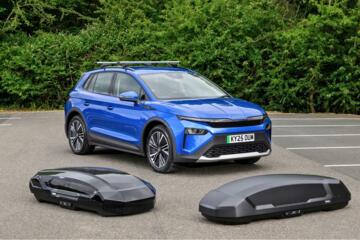
If you tow a 3,500 lb trailer, you also need to consider tongue weight and the vehicle’s payload after passengers and cargo. A trim with a higher payload rating can be the difference between staying within limits and overloading. If you carry a roof box, check cross-compatibility with roof rail load ratings too.
Estimate insurance and repair risk
Do this: request insurance quotes by trim, not just by model. Why it works: insurers price based on repair costs, parts availability, and claim frequency. Higher trims often add sensors, larger wheels, and more expensive lighting or body panels.
What it looks like: the difference can be noticeable after a few quotes. Tools: use the same driver profile and ZIP code, then compare comprehensive and collision deductibles. If you can, ask the insurer for the “parts and labor” estimate for common repairs.
Skip the single-quote shortcut. It hides the spread.
Repair frequency is harder to quantify, but you can infer risk from parts complexity. A trim with adaptive headlights and more camera modules can cost more when damaged. If you park in tight garages, check whether the trim includes front and rear parking sensors or a 360-degree camera, because bumper repairs are expensive.
Check warranty terms by trim
Do this: read the warranty coverage sections for powertrain, bumper-to-bumper, and corrosion, then confirm whether any coverage is tied to equipment packages. Why it works: some warranties cover emissions and powertrain for fixed mileage, while electronics coverage can vary. Tools: use the manufacturer warranty booklet for your VIN or model year.
What it looks like: powertrain coverage might be 60,000 miles, while basic coverage might be 3 years/36,000 miles. Electronics coverage can be shorter, and some features like navigation subscriptions are separate from warranty.
Warranty details change the math.
If you plan to keep the car past the basic coverage window, prioritize trims with fewer failure-prone add-ons. That doesn’t mean avoiding features; it means matching features to your risk tolerance and budget for out-of-warranty repairs.
Account for depreciation and resale
Do this: compare how each trim sells in your local market using recent listings, not just national averages. Why it works: depreciation depends on demand for specific option combinations, and “mid trim” can be a sweet spot or a dead end. Tools: search for the same trim and engine with similar mileage, then compare price per mile.
What it looks like: a trim with popular features like heated seats, a sunroof, and adaptive cruise may retain value better than a trim with rare options. If you’re buying used, check whether the trim’s equipment is common in your area, because buyers can be picky.
Resale is a trim-by-trim story.
Also check whether the trim includes the same safety tech that buyers expect. If a trim lacks certain driver-assist features, it can feel outdated even when the car is only a few years old.
Mini Case Examples
A small logistics company bought two versions of the same compact crossover for a 24-month route plan. Both had the same 2.0-liter turbo engine, but one trim used 18-inch wheels and the other used 17-inch wheels with narrower tires. The company tracked fuel and tire costs over 18 months: the narrower-tire trim averaged about 1.8 mpg better on mixed routes and reduced tire replacement frequency by roughly 6,000 miles. Total tire spend dropped by an estimated $450 per vehicle, and the lower wheel size also reduced curb-damage claims in tight loading areas.
Skip the assumption. Tires drive the numbers.
Another case involved a family-owned service business that needed a midsize SUV with towing. They compared two trims with the same 3.5-liter V6, but only one trim included the factory tow package and the upgraded cooling. After switching, they towed a 4,000 lb equipment trailer for 10 weekends over a summer. The tow package trim held stable transmission temperatures better during long grades, and the driver reported fewer “limp” events when towing in heat, which reduced downtime. The company estimated an extra $900 upfront for the tow package, but they avoided one roadside tow event valued at about $250 plus lost labor time.
Trim Checklist for Buyers
| Check | What to compare | Why it changes costs | How to verify fast |
|---|---|---|---|
| Powertrain | Engine + transmission + EPA mpg | Shift logic and gearing affect fuel use | Window sticker or build sheet |
| Driver assist | Sensors and feature list | Missing hardware disables functions | VIN-level option guide |
| Wheels/tires | Wheel size + tire size | Tire price and ride harshness change | Spec sheet + local tire quotes |
| Brakes | Rotor size and brake package | Fade resistance and repair cost | Owner manual or dealer parts list |
| Towing | Tow rating + cooling package | Thermal limits affect reliability | Towing guide for that VIN |
| Insurance | Trim-based quote | Repair complexity changes premiums | Same driver profile, same ZIP |
| Resale | Local listings by trim | Demand for options drives depreciation | Compare price per mile |
Common Mistakes and Fixes
Buying on the screen size alone is a frequent error. It happens because infotainment marketing highlights the display, while the underlying hardware and connectivity options differ. The impact shows up as lag, missing wireless features, or fewer USB ports for rear passengers. Avoid it by checking the connectivity type and port count in the spec sheet, then test the phone pairing method before signing.
Skip the “looks the same” trap. It costs time later.
Another mistake is ignoring tire and wheel diameter. People get there by comparing trim names and forgetting that wheel size changes tire cost and ride behavior. The impact is higher replacement bills and harsher impacts on potholes. Avoid it by writing down the exact tire size and checking local pricing for two tire brands, then estimate replacement at your expected mileage.
Some buyers also miss towing package differences. It happens when the engine matches, so the towing rating gets treated as automatic. The impact is reduced towing capacity or missing trailer wiring and cooling hardware. Avoid it by confirming the tow rating in the owner’s manual and checking whether the tow package includes the correct hitch and wiring harness.
Finally, people over-trust “driver assist included” language. It happens because feature names sound similar across trims. The impact is paying for a trim that lacks a sensor needed for lane centering or adaptive cruise. Avoid it by listing the exact features you want and verifying the sensor suite and option package for that trim code.
FAQ
How do I tell if two trims
Start with the window sticker or build sheet for each exact trim. Compare the engine plus transmission, then compare EPA city and highway mpg figures. If the numbers match but the wheels differ, expect real-world fuel economy to diverge because tire size and rolling resistance change consumption. For driver assist, compare the feature list and sensor availability, not just the presence of a camera on the windshield. If you’re buying used, confirm the car’s current software version in the infotainment settings, since updates can change behavior.
Do higher trims always cost
Higher trims often cost more to insure because repair parts can be more expensive. Larger wheels, adaptive lighting, and additional sensors can raise claim severity even when crash ratings are the same. The only reliable method is getting quotes by trim with the same driver profile and ZIP code. If you’re comparing a trim with 20-inch tires to one with 17-inch tires, ask your insurer whether wheel and tire coverage is priced differently. Also ask about deductibles for glass and sensors, since those can affect out-of-pocket costs.
What should I check for child
Confirm rear-seat tether anchors and ISOFIX/LATCH compatibility for the specific seating positions. Trim levels can change seat upholstery and sometimes seat shape, which can affect how child-seat bases fit. Check the owner’s manual for seating positions that support child-seat installation and whether the car has top-tether anchors in the rear. If you use a rear-facing seat, verify that the front seat can move enough for legroom without blocking the child seat. Test fit with your actual seat model if possible, because fit issues are usually mechanical, not software-related.
How do trim differences affect
Trim differences can change battery range indirectly through wheel size, tire type, and available efficiency features. Some EVs offer different charging curves by battery pack and software, and trim can influence which thermal management settings are enabled. For road trips, compare the manufacturer’s estimated range and then plan for reduced range at highway speeds, cold temperatures, and higher cabin heat loads. If fast charging matters, check the maximum DC charging rate and whether the trim includes a heat pump, since that can improve cold-weather efficiency. Use your charging routine as the baseline, not the brochure.
Is it safe to buy the
It can be safe if you verify the option content and hardware, but it’s risky if you rely on trim names alone. Some “base” trims become similar after adding packages, while others remain different because the sensor suite or brake hardware changes with trim. Before purchase, compare the exact option codes on the build sheet and confirm that the features you need are included. For towing, verify the tow rating and wiring package, since those are not always transferable. If you’re unsure, ask a dealer to print the equipment list by VIN and cross-check it against the owner’s manual.
Author's Insight
Trim labels are a shorthand for option bundles, not a guarantee of equal capability. The biggest gaps usually come from hardware: sensors for driver assist, wheel and tire sizes, brake packages, and cooling systems for towing. When buyers compare only engine size and price, they miss how those hardware choices affect fuel economy, insurance, and repair costs. A practical approach is to build a feature-and-hardware checklist from the owner’s manual, then verify each item against the VIN-level build sheet.
Key Takeaways
Comparable trims can still differ in ways that change daily comfort, repair bills, and resale demand. Use the checklist to confirm powertrain pairing, safety sensor hardware, wheel and tire sizes, towing package content, and warranty coverage terms. Get insurance quotes by trim and compare local listings by price per mile, not just MSRP.
Next step: print or save the build sheet for each candidate VIN, then mark only the features you truly need. If a feature depends on a package or sensor suite, treat it as a hard requirement, not a “maybe.” If you’re comparing EV trims, also verify charging rate and thermal features for your climate.
Limits exist: you can’t predict every failure, and real-world mpg and range vary with driving and weather. If you’re unsure about child-seat fit, sensor availability, or towing limits, consult the owner’s manual and ask a dealer to confirm by VIN. For safety-critical concerns like child-seat installation or braking performance, involve a qualified technician or installer before purchase.