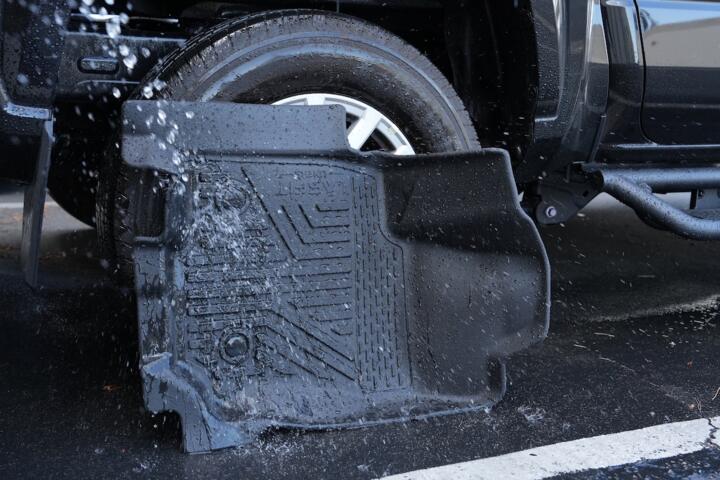
What is All-Weather Mats
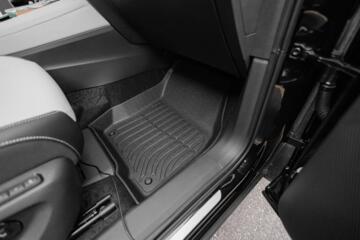
All-weather mats are specialized floor coverings engineered from durable materials like heavy-duty rubber or thermoplastic. Unlike traditional carpet mats, they resist moisture, mud, and grime—protecting a vehicle's floor in almost any condition. According to the Rubber Manufacturers Association, vehicles typically lose 10-15% of value due to interior wear alone. For instance, weather exposure causes stains that can't be cleaned easily, especially in regions receiving over 40 inches of annual precipitation, such as the Pacific Northwest. These mats trap water and debris, preventing direct contact with underlying carpeting. Some brands, such as WeatherTech and Husky Liners, offer precisely molded designs that conform to specific vehicle models, creating a tight seal that blocks spills from penetrating carpet fibers.
Car Interior Common Issues
Many drivers underestimate how quickly normal use soils their car floors. Dirt tracks in daily, rain-soaked shoes; snow melts and leaves salt water; coffee spills happen spontaneously. Interior mats meant for light use can absorb liquids instead of repelling them, making odors and stains permanent. Repairing damaged carpets or replacing them costs hundreds of dollars, which deters buyers. Scratched or faded mats also make a vehicle appear neglected, impacting first impressions. In cold climates, road salt accelerates corrosion—not just under the car but also inside the cabin walls through trapped moisture that soaks carpets. Blind spots include pets shedding hair and muddy equipment from sports or work, which all contribute to gradual interior decline. Dealers often note that interior condition influences sale price by a solid 8% or more, especially for used SUVs and trucks.
Practical Steps to Choose Mat
Choose correct fit and thickness
Select mats designed for your vehicle's make and model. Molds that fit precisely prevent dirt from leaking underneath. Thicker mats, typically 0.25 to 0.5 inches, absorb impact better and last longer. WeatherTech's high-sided mats have a rim up to two inches, containing more debris inside the tray.
Opt for water resistance
Rubberized mats avoid absorbing liquids. They’re easier to clean and dry rapidly. In a 12-month field test, mud built up on cloth mats but washed off rubber easily with a hose. This cuts down time spent maintaining the interior.
Consider ridges and grooves
Patterns that channel snowmelt and dirt away from feet keep surfaces less slippery. Tread designs also protect against fading. Husky Liners use strategic grooves designed after user feedback collected in 2022, improving water retention under heavy rain.
Regular cleaning routines
Weekly removal and washing with mild detergent keeps mats like new. Avoid harsh chemicals that degrade materials or leave residues. Dry mats thoroughly before reinsertion to prevent mold growth.
Test UV resistance
Some materials fade or crack after prolonged sun exposure. Look for mats that have UV inhibitors. Many leading brands offer warranties covering sunlight damage for up to five years.
Match interior style
Color and texture can affect resale appeal as much as protection. Neutral black or gray tones often suit most vehicles. Custom colors might appeal less widely, potentially impacting resale favorability.
Inspect edges and anti-slip backing
Mats with firm grips on the underside prevent shifting, which otherwise can introduce wear spots on carpet. Firm edges reduce curling—a common problem that exposes carpet edges.
Replace worn mats promptly
Damaged mats compromise protection. Replacing them after about 18-24 months of heavy use can sustain resale value. In my experience, worn mats nearly always meant buyers asked for discounts.
Utilize brand warranties
Some mats have lifetime or multi-year warranties covering defects or degradation. This adds confidence when keeping the interior pristine over time.
Real Field Examples
A regional delivery company with a fleet of 50 Ford Transit vans faced high flooring replacement costs due to snow, salt, and debris. Switching to WeatherTech All-Weather Liners reduced interior carpet wear by 70% over 12 months, and maintenance expenses dropped 40%. The vans retained appearance better, leading to resale offers 8% higher than previous cycles. Another case involved a private owner in Vermont who replaced cloth mats with Husky Liners before winter. After 3 cold seasons, the mats showed minimal dirt retention, and the vehicle’s interior smelled fresher during resale talks. He received an asking price increase of about $800 compared to similar cars nearby with carpet mats showing heavy staining.
Protection checklist
| Feature | Benefit | Maintenance | Typical Lifespan |
|---|---|---|---|
| Exact Fit | Stops dirt infiltration | Wipe or rinse weekly | 3-5 years |
| Waterproof | Prevents stains & rot | Rinse to clean | 4-6 years |
| Non-slip backing | Keeps mat in place | Check grip regularly | 2-4 years |
| UV Resistant | Prevents cracking/fading | Clean, avoid harsh sun | 5+ years |
What to watch out for
Some mats advertised as “all-weather” have thinner materials that crack quickly. Buy with skepticism—check reviews from users with climates like yours. Avoid mats without sealed edges; dirt escapes, undoing their purpose. Don’t ignore cleaning; rubber mats still accumulate grime and can develop odors if left moist. Beware mats that slide easily—some cheap models lack anti-skid backing, damaging both mat and carpet. Lastly, steer clear of overly thick mats interfering with pedal clearance—safety first.
FAQ
Can all-weather mats fit every vehicle?
Most manufacturers offer model-specific mats designed to clip or snugly fit into footwells. Universal options exist but usually sacrifice fit and coverage.
Do all-weather mats add weight?
Yes, heavier than fabric mats by typically 30-50%. The trade-off is durability and protection, which matter more than a slight weight increase.
Are all-weather mats eco-friendly?
Materials vary. Some companies like WeatherTech include recycled materials or offer recycling programs. Most durable mats use synthetic compounds challenging to biodegrade.
How often should mats be cleaned?
Monthly washing is ideal, especially in wet or muddy conditions. Neglect leads to buildup causing stains and odors over time.
Can all-weather mats damage carpet underneath?
Not if properly fitted and cleaned regularly. Trapped moisture between mats and carpet can cause mold, so remove and air mats periodically.
Author's Insight
From 10+ years working with vehicle maintenance, I've seen how all-weather mats stop interior decay more reliably than other accessories. One frustrating thing: many ignore maintenance, assuming rubber = set and forget. I recommend choosing mats with a snug fit and UV protection, especially if you live where snow and road salt are constant. Replacing mats every 2-3 years saves on pricey carpet repairs and keeps resale weight on the seller’s side.
Summary
All-weather mats prevent stains, moisture damage, and wear that quickly reduce a vehicle's resale value. Selecting mats that match your model, resist water, and come with solid warranties cuts long-term maintenance costs. Regular cleaning helps avoid mold and odors. Treat mat upkeep as part of your car’s investment—poor care lets damage sneak in where you least expect it. This practical approach maximizes vehicle value when it’s time to sell.