Understanding Level 2 Chargers
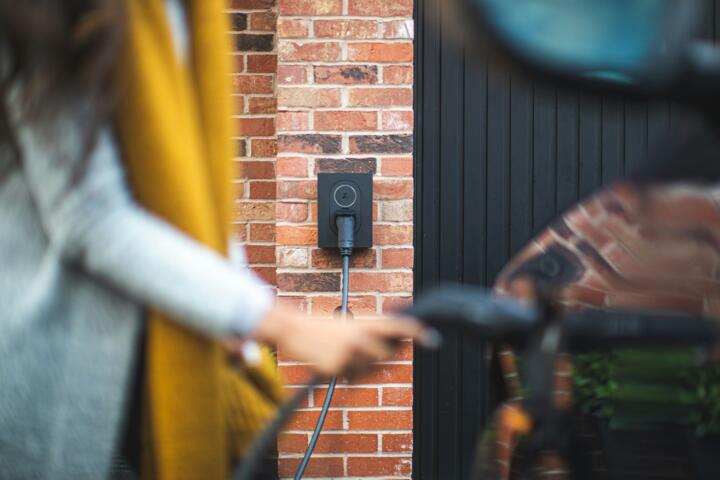
Level 2 EV chargers operate on 240 volts, offering charging speeds typically 3 to 7 times faster than standard 120-volt outlets. For instance, a Nissan Leaf that takes about 20 hours to fully charge on Level 1 can be topped up in roughly 6 hours with Level 2 equipment. This speed means less overnight charging and more flexibility for daily use.
Charging hardware comes in various power ratings, commonly ranging from 3.3 kW to 11.5 kW. Brands like ChargePoint and Tesla offer compact wall units that balance power with user-friendly features such as smart monitoring and scheduling. Not all EV owners need Level 2 chargers; some rely on workplace or public stations, while others have short daily drives.
Misconceptions and Their Effects
The most common mistake is assuming faster charging always justifies the extra cost and installation effort. Level 2 chargers start around $500 for basic units but require professional electric work that can add $1,000 or more. In houses with older wiring, upgrades push costs even higher.
Another error: ignoring your average daily mileage. If you drive less than 30 miles daily, overnight Level 1 charging often suffices. What about unexpected travel? Some believe a Level 2 charger solves every charging delay. It doesn’t, if you don’t own an EV with a large enough battery or a fast onboard charger.
Choosing Level 2 charger without evaluating electrical infrastructure leads homeowners to overload panels and trip breakers, complicating otherwise simple setups. The result: increased bills, inconvenient trips to the breaker box, and frustration.
Practical Charging Solutions
Evaluate Daily Driving Needs
Start by tracking your regular mileage. If you cover 40 miles or more each day and prefer full battery by morning, Level 2 offers tangible benefits. Consider simple apps like PlugShare to log usage patterns over a week. This tells you if a faster charger saves you time or only adds expense.
Check Your Electrical Panel Capacity
Not all homes support Level 2 chargers without updates. Consult a licensed electrician to review your panel and breaker sizing. For example, a 40-amp circuit is typical for a 7.6 kW charger. Without room in your panel, installation quotes can climb over $2,000 just for electrical work.
Select the Appropriate Charger Power
Choosing a 7.2 kW (30 amp) charger suits most daily uses and balances cost. Higher power models, 11.5 kW or more, make sense in multi-car households or heavy users. Brands like ClipperCreek emphasize durability for busy households; Tesla’s Gen 3 wall connector integrates with its app, which, since version 3.2.1, offers scheduling options (I tested it in late 2023).
Use Smart Chargers With Scheduling
Smart charging shifts loads to off-peak hours, cutting electricity expenses by up to 30%, especially if your utility offers time-of-use rates. Units compatible with Alexa or Google Home enhance convenience. For example, Enel X’s JuiceBox 40 uses the app to schedule charges at night automatically.
Balance Installation Costs
Shop for multiple electrician bids to find competitive rates. Some installers charge flat $800 setups, while others factor circuit upgrades, raising prices to $2,500. DIY installation isn’t advisable due to safety and code requirements. Grants or rebates may offset costs in certain states—California’s Clean Fuel Reward program offers up to $750 back.
Explore Portable Charger Options
If home wiring upgrades or upfront costs worry you, a Level 2 portable charger can plug into compatible 240V outlets. These range from 3.3 to 7.7 kW and let you charge faster at various locations. Model examples include the Tesla Mobile Connector (Gen 2) or the Lectron portable EV charger.
Consider Battery Size and Onboard Charger Limits
Some EVs don’t accept Level 2 speeds beyond a certain point due to onboard charger limits. Older Nissan Leafs max out around 6.6 kW, while new Teslas handle up to 11.5 kW. Invest in hardware matching your car’s capabilities to avoid wasted expense.
Think About Future-proofing
Installing a 40-amp circuit now may not cover two EVs charging simultaneously later. Adding conduit and extra circuit breakers during initial installation costs less than adding them later. But, only if you expect the additional vehicle within 5 years or so.
Use Energy Management Systems
For households with solar or multiple EVs, systems like Wallbox’s Quasar or Tesla Powerwall can optimize charging based on power generation and usage. It’s not for everyone; these solutions generally start above $5,000 installed—but the efficiency gains can justify in specific setups.
Real-World Examples
A software engineer in Seattle installed a Level 2 charger in 2022 with a 30-amp unit costing $600 plus $1,200 electrician fees. Her daily commute averages 50 miles, and faster overnight charging saved her hours on weekends when she needed quick top-ups. Electricity bills increased only by about $10 monthly, offset by her utility’s overnight rates.
A small business owner with two EVs running a fleet chose to install dual Level 2 chargers at his warehouse. Total upfront cost hit $7,000, including panel upgrade. Since then, daily operational efficiency improved, and both vehicles reach full charge within 4 hours, allowing flexible night dispatches. The investment balance? Reduced downtime and minor increase in electricity use.
Charging Setup Checklist
| Step | Action | Why | Outcome |
|---|---|---|---|
| 1 | Track daily mileage | Match charging speed to needs | Avoid overpaying for speed |
| 2 | Review home electrical capacity | Safety and installation feasibility | Prevent panel overload |
| 3 | Choose charger wattage | Match car and budget | Optimized charging speed |
| 4 | Install smart charger | Reduce costs with scheduling | Lower bills, less hassle |
| 5 | Get bids from electricians | Control installation cost | Best value setup |
Pitfalls and Fixes
Ignoring the car's onboard charger constraints wastes money; buy chargers that match your vehicle’s specs. Installation by amateurs risks safety breaches—hire certified electricians. Overestimating daily driving needs leads to spending hundreds extra, especially when charging overnight suffices.
Unplanned upgrades to electrical systems cause delays; a pre-installation inspection avoids surprises. Skipping smart features often means paying more for electricity without noticing. Some units promise compatibility with older EVs but require firmware updates, which, surprisingly, isn’t always straightforward.
FAQ
Is Level 2 charging necessary for all EV owners?
No. If daily driving is low and the car charges overnight, a Level 1 outlet may be enough.
What is the average installation cost for Level 2 chargers?
Costs vary but expect $800 to $2,500 depending on electrical upgrades and labor.
Can I use a Level 2 charger with any electric car?
Most EVs support Level 2 but onboard charger limits affect actual charging speed.
Do smart chargers save money on energy bills?
Yes, especially under time-of-use rates with scheduled charging during off-peak hours.
Are there rebates for Level 2 charger installation?
Many regions offer rebates or tax credits; check local utility websites or government programs.
Author's Insight
After installing a Level 2 charger in my own garage, I saw how much it improved the EV ownership experience without drastically increasing my electric bill. I had to upgrade my panel, which was annoying, but the faster charging freed up more time. One lesson: match the charger to your driving habits, not just specs. Too many skip electrical inspections — never again.
Summary
Level 2 home chargers suit drivers with high daily mileage or tight schedules needing quick turnaround. Always assess your house’s electrical readiness and car's charging limits before buying. Smart scheduling adds value, reducing costs. If your lifestyle fits slower charging, stay with Level 1. Install carefully—one costly mistake and you spend more than you save.