Modern Pressure Monitoring
Tire Pressure Monitoring Systems (TPMS) are no longer a luxury; they are a regulatory mandate in regions like the US (FMVSS 138) and the EU. At its core, TPMS is an electronic system designed to alert you when tire pressure drops to a dangerous level—usually 25% below the manufacturer’s recommended cold inflation pressure. While the goal is universal, the execution varies wildly between internal and external hardware.
In my years of hands-on automotive consulting, I’ve seen the "indirect" TPMS—which uses ABS sensors to guess pressure based on wheel speed—slowly lose ground to "direct" systems. Direct systems use actual sensors to measure the air inside the tire. However, the market is split: do you want the sensor hidden inside the rubber (Internal) or screwed onto the valve stem (External)?
A single PSI drop can decrease fuel economy by 0.2% and significantly increase braking distance. According to the NHTSA, properly inflated tires can save you up to $0.11 per gallon at the pump. These aren't just theoretical numbers; they are the difference between a controlled stop and a hydroplaning incident on a wet highway.
Pressure Management Risks
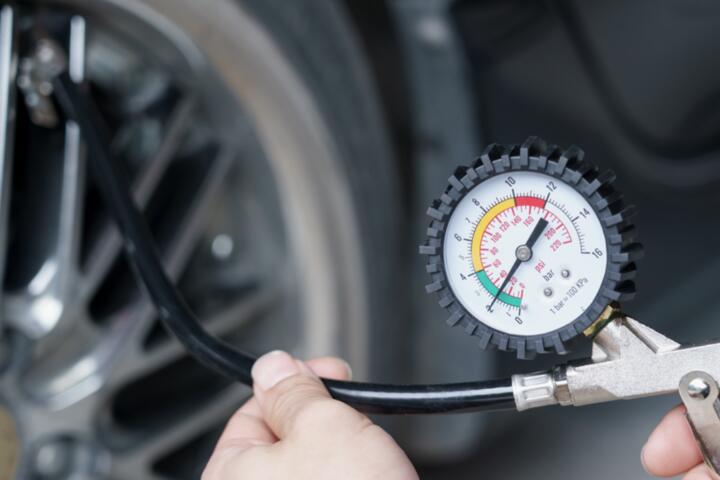
The biggest mistake drivers make is treating TPMS as a substitute for a manual gauge. Sensors can fail, batteries die, and environmental factors can skew readings. I frequently encounter owners of vehicles like the Toyota RAV4 or Ford F-150 who ignore a TPMS light, assuming it’s a "ghost" error caused by cold weather. This complacency is where the danger lies.
The Corrosive Reality of External Caps
External sensors are exposed to the elements. In "Salt Belt" states or coastal regions, galvanic corrosion is a silent killer. When a brass sensor meets an aluminum valve stem, they can fuse together. I once assisted a client who had to replace four entire valve assemblies because their inexpensive external sensors had effectively welded themselves to the stems, making it impossible to add air.
The Latency Gap in Indirect Systems
If your car uses an indirect system (common in older Audi or Honda models), it doesn't actually "know" the pressure. It waits for the tire's diameter to change enough to alter its rotation speed. This means you could be driving on a dangerously soft tire for miles before the dashboard illuminates. Relying on this for high-performance driving or towing is a recipe for a blowout.
Battery Life and Environmental Stress
Internal sensors are sealed but subject to extreme centrifugal forces and heat cycles. When an internal battery dies (typically after 5–7 years), the entire unit must be replaced. Many DIYers try to save money by buying unbranded sensors on marketplaces, only to find the car's ECU (Electronic Control Unit) refuses to handshake with the "foreign" hardware.
Tire Health Solutions
Choosing the right system depends on your vehicle usage, DIY skills, and budget. For most daily drivers, the goal is "set it and forget it." For enthusiasts or those with multiple wheel sets (winter/summer), flexibility is the priority.
Internal Sensor Integration for Long-Term Reliability
Internal sensors, like those from Schrader or Continental (VDO), are the gold standard for accuracy. Because the sensor is mounted to the rim inside the tire, it measures both pressure and temperature with high precision. This is crucial because air pressure changes by approximately 1 PSI for every 10-degree Fahrenheit change in temperature.
External Retrofitting for Older Vehicles
If your car lacks factory TPMS, an external kit from brands like Tymate or Steelmate is an excellent entry point. These are "plug-and-play." You replace your valve caps with the sensors and plug a display into your 12V outlet. This is ideal for trailers or older vehicles where dismounting tires to install internal sensors is cost-prohibitive.
Utilizing Professional Diagnostic Tools
To maintain these systems, you need more than a wrench. Tools like the Autel MaxiTPMS allow you to trigger sensors, check battery life, and "relearn" the positions after a tire rotation. If you rotate your tires and don't update the ECU, your dashboard might tell you the front-left is low when it's actually the rear-right. Professional shops charge $50–$100 for this, but a dedicated tool pays for itself in two years.
Understanding the Role of Valve Stem Materials
Never mix metals. If you have aluminum valve stems, ensure your sensors (especially external ones) have compatible threading. Using a nickel-plated valve core is a small, $2 investment that prevents the aforementioned galvanic corrosion. This is a "pro-tip" that even some high-volume tire shops overlook.
Managing High-Load and Towing Scenarios
For those towing caravans or heavy trailers, internal sensors are non-negotiable. The heat buildup in a trailer tire during a long descent can be catastrophic. Systems like the TireMinder Smart TPMS allow you to monitor up to 20+ tires simultaneously via a smartphone app, providing real-time alerts before a delamination occurs.
Real-World Analysis
Case Study 1: The Fleet Efficiency Overhaul
A regional delivery company operating 15 Mercedes-Benz Sprinter vans reported frequent downtime due to flat tires. We transitioned their fleet from manual checks to Schrader EZ-sensor internal units. Over 12 months, they saw a 12% reduction in tire replacement costs and a 4% improvement in fleet-wide fuel economy. The initial $2,500 investment in hardware and programming was recouped in just 5 months.
Case Study 2: The Off-Road Enthusiast
A Jeep Wrangler owner frequently aired down tires for rock crawling. They initially used external sensors for convenience but lost two sensors to trail debris in a single weekend. We switched them to a high-clearance internal system. The result? Zero sensor loss over two years of heavy off-roading and the ability to monitor "beadlock" pressures accurately from the cabin.
Sensor Comparison
| Feature | Internal Sensors (OEM Style) | External Sensors (Cap Style) |
|---|---|---|
| Installation | Requires tire dismounting (Professional) | Screw-on (DIY 5 minutes) |
| Accuracy | High (Direct air contact) | Moderate (Measured at valve) |
| Durability | High (Protected from debris) | Low (Vulnerable to curbs/theft) |
| Battery Life | 5–10 Years (Non-replaceable) | 1–2 Years (Replaceable CR1632) |
| Cost | $30–$80 per wheel + labor | $40–$150 for a full 4-cap kit |
| Theft Risk | Virtually Zero | High (Requires lock-nuts) |
Common Pitfalls
A frequent error is neglecting the "relearn" procedure. Modern vehicles from GM, Ford, and BMW require a specific sequence of button presses or a TPMS trigger tool to recognize new sensor IDs. I see many people buy the correct sensors but fail to "marry" them to the car, leaving the warning light active.
Another mistake is using plastic valve caps on high-performance vehicles. At high speeds, the centrifugal force can actually depress the pin on a cheap external sensor or a weak valve, causing a slow leak. Always use high-quality, O-ring sealed metal caps or high-grade TPMS-specific housings.
Finally, don't ignore the "Service TPMS" light. This usually indicates a system fault (like a dead battery) rather than low pressure. If you ignore this, you've essentially disabled a primary safety feature of your vehicle.
FAQ
Can I replace a TPMS sensor battery?
Internal sensors are typically potted in epoxy to withstand vibration, making battery replacement impossible. You must replace the whole unit. External sensors, however, usually allow you to swap a small coin-cell battery in seconds.
Will a TPMS sensor from a different car work on mine?
Rarely. Sensors operate on specific frequencies (usually 315MHz or 433MHz) and use different data protocols. Always check compatibility using your VIN (Vehicle Identification Number) at a site like RockAuto or TPMSDirect.
Does Fix-a-Flat ruin TPMS sensors?
Most modern tire sealants are labeled "TPMS Safe," but "safe" is a relative term. The gunk can still clog the sensor's pressure port. If you use a sealant, notify your tire technician immediately so they can clean the sensor with contact cleaner before it hardens.
Why does my TPMS light turn on in the morning and off in the afternoon?
This is the "Cold Weather Effect." Overnight, the air density increases, dropping the pressure just below the threshold. As you drive and the tires warm up—or as the ambient temperature rises—the pressure climbs back into the "safe" zone. You should add a few PSI of air while the tires are cold to prevent this.
Can I install internal sensors myself?
Unless you own a bead breaker and a tire balancing machine, no. Internal installation is a job for a professional shop like Discount Tire or Firestone Complete Auto Care.
Author’s Insight
In my experience, the peace of mind offered by internal sensors far outweighs the higher entry cost. While external sensors are great for a quick fix or a temporary trailer setup, they are prone to "user error" and environmental damage. I always recommend that my clients invest in a high-quality set of pre-programmed internal sensors during their next tire change. It’s a one-time labor cost that ensures five-plus years of invisible, reliable protection. My personal vehicle runs Huf IntelliSens units because their signal stability is unmatched in high-interference urban environments.
Summary
Deciding between internal and external TPMS hardware comes down to your commitment to vehicle maintenance. Internal sensors offer superior protection, better aesthetics, and higher accuracy for the long-term driver. External sensors provide an accessible, cost-effective safety net for older cars and towed loads. Regardless of your choice, the most critical action is to stop treating the TPMS light as a suggestion. Regularly calibrate your system, keep a high-quality digital gauge in your glovebox, and address sensor failures immediately to ensure your vehicle remains efficient and safe on the road.