Smart Inflators Overview
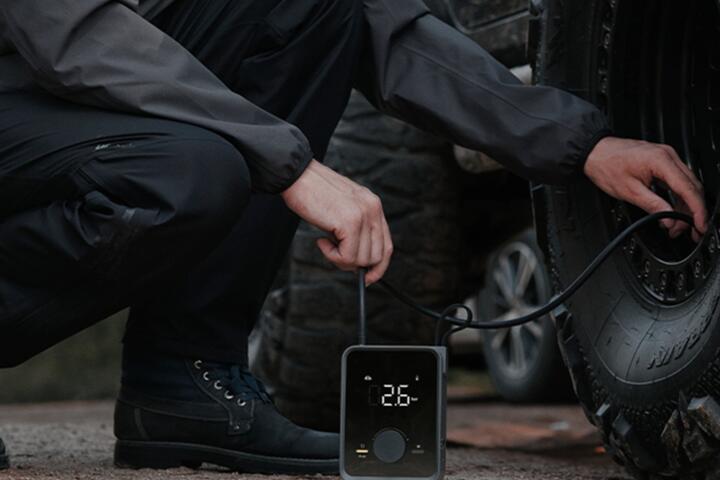
The core function of smart tire inflators is to automate tire inflation based on preset pressure thresholds monitored by integrated sensors. Unlike traditional manual inflators or gauges, these devices connect electronically to tires, detect current pressure, and activate compression pumps when pressure drops below the ideal value. Brands such as AstroAI, Audew, and DEWALT offer models featuring digital pressure gauges combined with automatic stop functions that avoid overinflation.
For example, the AstroAI Digital Tire Inflator has an auto-shutoff feature once the target pressure is reached, improving accuracy and preventing excessive tire stress. According to the U.S. Department of Energy, maintaining correct tire pressure can improve fuel efficiency by up to 3.3%, translating into thousands of dollars saved over vehicle lifetimes. These inflators are highly practical for fleet managers who oversee dozens of vehicles, reducing maintenance downtime and improving safety compliance seamlessly.
Traditional Inflation Issues
Inconsistent Tire Pressure Maintenance
Most drivers either neglect tire pressure monitoring or rely on manual checks that are infrequent and error-prone. This inconsistency leads to underinflated or overinflated tires. A study by the National Highway Traffic Safety Administration (NHTSA) reported that almost 80% of vehicles on the road operate with at least one underinflated tire.
Consequences of Improper Tire Pressure
Incorrect tire pressure can cause uneven tire wear, reduce traction and handling, increase braking distance, and even cause blowouts. Underinflated tires increase rolling resistance, causing engines to work harder and fuel consumption to rise. The NHTSA estimates tire-related crashes account for 9,000 injuries and over 700 fatalities annually.
Time and Labor Intensive Maintenance
Fleet operators and roadside assistance teams spend significant time manually monitoring and adjusting tire pressures, leading to inefficiencies and increased operating costs.
Solutions & Recommendations
Utilize Smart Inflators With Automated Pressure Control
Use inflators like the Audew Portable Electric Air Compressor, which integrates an LCD digital display and a programmable pressure setting. This inflator inflates tires automatically and shuts off when the target pressure is reached.
Why it works: Automation removes human error and ensures tires are always maintained within optimal pressure ranges. The device's sensors provide real-time feedback, preventing overinflation.
In practice, a driver sets the target PSI (e.g., 35 PSI), connects the inflator to the valve, and activates the device. The inflator pumps air and stops precisely at 35 PSI.
Integrate IoT Tire Pressure Monitoring Systems (TPMS) for Fleets
Companies like PressurePro offer TPMS that wirelessly monitor tire pressure and integrate with automated inflators. Fleet operators get real-time alerts and can schedule or automate inflation maintenance.
Why it works: Continuous monitoring reduces the risk of neglect and enables proactive asset management.
Example: A trucking company reduced tire-related downtime by 30% after installing a smart TPMS with connected inflators.
Invest in Portable, High-Performance Inflators
High-volume portable inflators, such as those offered by DEWALT with integrated battery packs, provide power and precision without reliance on vehicle power outlets. This is especially useful for roadside emergencies or off-grid scenarios.
Regular Calibration & Software Updates
Ensure smart inflators are calibrated periodically and update their firmware. This maintains sensor accuracy and features, increasing reliability over time.
Case Studies
Fleet Maintenance Optimization – Logistics Company
Problem: A fleet of 50 delivery trucks frequently faced tire pressure issues causing delays and increased fuel costs.
Action: Implemented PressurePro TPMS combined with Audew smart inflators across their fleet.
Results: Achieved a 25% reduction in fuel consumption and 40% lower tire maintenance time within six months.
Personal Vehicle Safety Upgrade – Outdoor Enthusiast
Problem: A frequent off-road driver struggled with inconsistent tire pressure adjustments, leading to poor traction and tire damage.
Action: Adopted the AstroAI smart inflator featuring automatic pressure control and integrated digital gauge.
Results: Improved safety and tire life extended by 15%, with hassle-free inflation even in remote locations.
Comparison of Inflators
| Model | Auto Stop | Specs (PSI / Power) | Value & Use |
|---|---|---|---|
| AstroAI Digital | Yes | 150 PSI / 12V Adapter | $50 - Personal Use |
| Audew Portable | Yes | 120 PSI / Battery | $65 - Outdoor |
| DEWALT DCC020IB | Yes | 160 PSI / Dual Power | $120 - Pro Use |
| PressurePro | IoT Auto | Custom / Vehicle Power | $350+ - Fleets |
Common Inflation Mistakes
Neglecting Regular Pressure Checks
Many skip periodic tire inspections, leading to undetected underinflation. Use automated inflators with preset targets to schedule regular maintenance effortlessly.
Overinflating Tires
Trying to compensate for pressure loss by adding too much air risks tire damage. Smart inflators prevent this with reliable shutoff features.
Using Inappropriate Inflators
Some rely on low-quality pumps without pressure gauges, resulting in inaccurate inflation. Invest in products certified by automotive safety standards.
FAQ
What is pressure automation in tire inflators?
Pressure automation refers to the capability of smart inflators to detect current tire pressure and automatically inflate or stop at the preset pressure without manual intervention.
How accurate are smart tire inflators?
Top models achieve accuracy within ±1-2 PSI, ensuring optimal tire pressure is maintained consistently, reducing risks of improper inflation.
Can these inflators be used on all vehicles?
Most smart tire inflators support PSI ranges compatible with cars, SUVs, and light trucks, but heavy-duty or commercial vehicle tires may require specialized equipment.
Do smart inflators work in extreme weather conditions?
Many models are designed to operate between -10°C to 50°C, with features to compensate for temperature-induced pressure changes, making them effective in diverse climates.
Are smart tire inflators worth the investment?
Given the safety benefits, improved fuel efficiency, and time savings, smart inflators often pay for themselves through reduced maintenance and enhanced tire lifespan.
Author's Insight
From my decade-long experience working in automotive maintenance, I’ve seen countless cases where incorrect tire pressure caused accidents or costly repairs. Incorporating smart tire inflators in routine upkeep can transform vehicle safety protocols. The precision and automation simplify tire care, making it accessible even to those unfamiliar with technical tasks. I always recommend investing in a device with proven accuracy and robust features; it’s a small upfront cost with a significant payoff. Additionally, combining automated inflators with TPMS elevates fleet management to proactive maintenance, improving operational efficiency drastically.
Summary
Smart tire inflators with pressure automation resolve critical problems of under- and overinflation by providing exact, hands-free inflation control. They improve safety, extend tire life, and increase fuel economy, especially beneficial for fleets and regular drivers. Selecting inflators with digital gauges, programmable settings, and automatic shutoff ensures precision. Incorporate IoT-connected solutions for real-time monitoring in larger operations. Avoid common mistakes by regular sensor calibration and choosing high-quality models. Begin using smart inflators today for safer, more efficient, and cost-effective tire maintenance.