Cold starts and engine heat
A block heater warms the engine before cranking, usually by heating coolant or the engine block itself. In many regions, it’s used when overnight temperatures drop below about -10°C (14°F). That matters because engine oil thickens fast as temperatures fall, and thick oil slows cranking and increases wear during the first seconds.
Cold-weather testing has repeatedly shown that preheating reduces start-up wear risk by shortening the time the engine runs with poor lubrication. The exact benefit depends on how cold it gets and how long the car sits. For example, a typical grid-connected block heater may draw roughly 400–1500 watts while plugged in, so the runtime and electricity price affect operating cost.
Vehicle type changes the outcome more than many buyers expect. A diesel 2.0L or 3.0L often relies on glow plugs plus compression heat, so preheating can reduce smoke and rough idle right after start. A gasoline 2.5L or 3.5L may show less dramatic changes in combustion, but it still benefits from faster warm-up and steadier idle.
Fuel economy also shifts during cold starts. Many drivers see worse consumption in the first 5–15 minutes because the engine runs rich for warm-up and the heater draws energy. Preheating can shorten that “cold enrichment” period, which is why fleet operators in northern climates often treat it as a routine winter tool.
In practice, the cabin heat timing is often the most noticeable change. A preheated engine can deliver warm air sooner, especially in vehicles with electric coolant pumps or efficient heater cores. The heater still needs coolant temperature to rise, so a short plug-in window won’t turn a -25°C night into summer.
What people get wrong
People often assume a block heater “fixes” cold weather. It reduces the harshness of starting, but it doesn’t replace a healthy battery, correct oil viscosity, or proper tire pressure. If the battery is weak, the starter still needs current, and the heater can’t change that.
Another common mistake is plugging in for too short a time. A heater that runs 30 minutes may help at -5°C, yet it may not bring a -20°C engine to a start-friendly temperature. The result is a car that cranks longer, idles rougher, and still takes time to clear the cold-soak.
Skip the heater timer apps. They add one more thing to manage.
Some owners also confuse block heaters with battery warmers or coolant circulation systems. A block heater warms the engine, not the transmission fluid or the differential oil. In cold climates, thick transmission fluid can still delay smooth shifts, especially in vehicles with cold-soak after long parking.
Consequences show up in small but real ways. Starter motors draw high current during cranking, and repeated long cranks can shorten starter life. Oil that stays too viscous also increases friction during the first revolutions, which is why mechanics see more wear patterns on neglected winter starts.
Financially, the heater can cut the “winter damage” cost that comes from repeated hard starts. It also reduces the chance you’ll need a tow or jump-start on a subzero morning. Tow calls and battery replacements are expensive, and they’re avoidable when the routine is consistent.
Real-world situation: a delivery van parked outside at -18°C for 10 hours. The driver plugs in at 6:00 a.m., but the heater was never installed or never used the night before. The van cranks slowly, the idle hunts for several minutes, and the driver ends up idling longer to get heat for the route.
How to use it, with specifics
Pick the right plug-in time
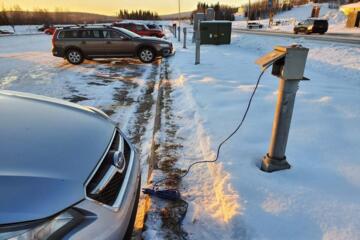
Start with the vehicle’s manual or the heater label for recommended runtime. The reason is simple: a 400–1500 W heater needs time to transfer heat into coolant or the block. In practice, many owners find that 2–4 hours at typical subzero temperatures works better than 30–60 minutes, but the exact number depends on ambient temperature and heater wattage.
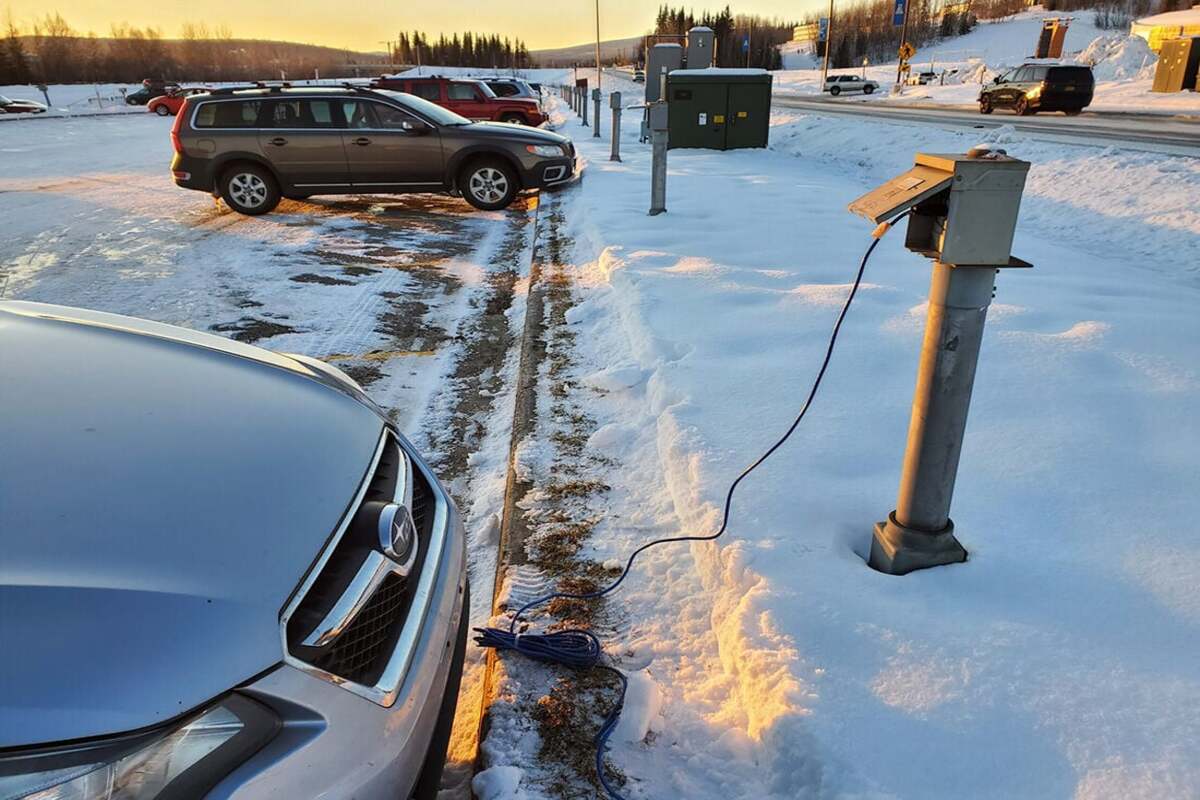
Check the outlet and cord rating first. A 12-gauge outdoor extension cord is a common minimum in cold climates, and a damaged cord can trip breakers or create voltage drop. I’ve seen cords with cracked insulation after one winter season, which is a safety issue, not a convenience issue.
Skip the “plug it in when you wake up” routine. It’s too late for deep cold.
Match it to engine type
Diesels benefit more when the system heats coolant or the block effectively. A preheated 3.0L diesel often starts with less smoke and a steadier idle because combustion chambers reach a higher starting temperature. Gasoline engines still gain lubrication and warm-up speed, but the difference may be smaller at mild temperatures.
Some vehicles use a coolant heater that warms the engine block and then circulates heat. Others use a block element that warms the engine mass without active circulation. If your car has an electric coolant pump, the warm-up can feel faster because coolant moves sooner, but you still need to confirm the heater type.
For a 2.5L gasoline engine, you may notice quicker defrost and less “cold stumble.” For a 2.0L turbo, the warm-up can still be uneven if the heater doesn’t reach the turbo oil passages quickly enough.
Use it with the right oil
Preheating reduces viscosity, but it doesn’t change the oil grade. If you run a thick oil for your climate, the engine still fights cold friction. Many manufacturers specify an oil viscosity range for winter, and following that spec matters more than adding extra heater runtime.
In practice, a winter oil grade like 0W-20 or 5W-30 (depending on the vehicle) helps the first crank. If you’re unsure, check the door-jamb label or the owner’s manual. A block heater plus the wrong oil can still lead to longer cranking and higher starter load.
Skip the “one oil fits all seasons” plan. It costs time on cold mornings.
Plan for battery and charging
A block heater reduces starter strain, but it doesn’t replace battery maintenance. If the battery is old, the car may still struggle to crank even with a warm block. In cold weather, battery capacity drops, and a weak battery can fail under high current draw.
Use a battery charger designed for your battery chemistry if you store the car for long periods. Many owners use a smart charger on a schedule, and it’s common to see better winter reliability when the battery is kept near full charge. If you have a remote start system, verify it doesn’t drain the battery before the heater routine kicks in.
Real-world note: a 2019–2022 model year vehicle with an AGM battery may tolerate cold starts better than a flooded battery, but both still benefit from preheating.
Estimate electricity cost realistically
Electricity cost depends on heater wattage and runtime. If a heater draws 1000 W (1 kW) and runs for 3 hours, that’s about 3 kWh. At $0.15 per kWh, the cost is roughly $0.45 per plug-in cycle, before taxes and local rate differences.
Some owners use a timer to avoid running the heater all night. That can reduce cost, but it only works if the car is parked long enough for the heater to reach the target temperature. If you live where nights stay below -20°C, a short timer window may not be enough.
Skip the “set it and forget it” timer. It can run too long or too short.
Inspect the heater hardware
Block heaters have wear points: the cord connection, the element, and the coolant passage if the system uses a circulating design. Before winter, check for cracks in the cord, loose plugs, and signs of coolant seepage around the heater housing. If the heater is installed in the block, corrosion can also affect heat transfer over time.
Maintenance is usually limited, but repair frequency isn’t zero. A failed element can lead to a cold-start problem that looks like a battery issue. If your car starts normally after plugging in one morning but not the next, test the outlet and cord first, then suspect the heater.
On some vehicles, the heater plug sits behind a grille or underbody panel. That location collects road salt, and it can make the plug harder to seat cleanly.
Don’t confuse it with cabin heating
Preheating helps the cabin because the heater core uses engine coolant heat. It doesn’t replace an engine warm-up strategy for vehicles with weak heat output. If your car has a separate electric heater or heat pump, the cabin can warm without engine heat, but the block heater still affects engine lubrication and emissions during start.
In practice, you may see faster defrost and less windshield fogging when the engine is warm. At the same time, the HVAC fan and blend doors still control airflow, so a clogged cabin filter can still limit airflow even with a warm engine.
Real-world aside: on a cold morning, a dirty cabin filter can make the defrost feel slow, and the block heater won’t fix that.
Consider towing and load limits
Block heaters don’t change towing capacity, payload limits, or transmission temperature behavior. If you tow a trailer, the first minutes after start still matter because driveline fluids are cold. Preheating can reduce the severity of that first phase, but it doesn’t remove the need to warm up under light throttle.
For example, a mid-size SUV towing near its limit may shift differently until the transmission reaches operating temperature. A preheated engine can shorten the time to stable idle, yet the transmission still needs heat from fluid flow. Follow the vehicle’s towing guide for speed and brake use during warm-up.
Skip the “heater means I can tow immediately” assumption. Cold driveline fluids still react slowly.
Mini-case examples for fleets
Mini-case examples for fleets
A municipal fleet in northern Canada ran a simple change: drivers plugged in block heaters consistently for overnight parking. The problem was repeat jump-starts during -25°C weeks, plus longer idling to reach cabin heat. After standardizing plug-in timing and replacing failed heater cords, the fleet reported fewer no-start events and shorter warm-up periods.
Result tracking used maintenance logs and driver reports. Over one winter season, jump-start calls dropped from roughly 10 per month to about 3 per month, and average “ready for route” time fell by several minutes. Exact numbers vary by fleet size and battery age, but the pattern matched the physics: fewer hard cranks and less time running cold.
Another case involved a regional delivery company using diesel vans with 3.0L engines. The issue was rough idle and higher smoke complaints during early departures. They added a plug-in schedule aligned with shift start times and verified heater wattage and cord condition during inspections.
After the change, drivers reported smoother idle within the first 2–3 minutes, and maintenance technicians noted fewer starter replacements. The company estimated reduced starter wear and fewer battery failures, which offset the electricity cost of running heaters for 2–4 hours per night.
Block heater checklist
| Item | What to check | Why it matters | Target |
|---|---|---|---|
| Runtime | Plug in 2–4 hours before start in deep cold | Heat transfer needs time | Faster cranking, quicker defrost |
| Cord condition | No cracks, correct outdoor rating | Avoid voltage drop and safety risk | Breaker stays on, plug seats firmly |
| Oil grade | Use the winter viscosity spec | Preheat can’t fix wrong viscosity | Shorter crank time |
| Battery health | Test age and cold cranking amps | Heater reduces load, not capacity | Starts without slow cranking |
| Heater hardware | Inspect element and connections | Failed elements mimic battery issues | Consistent warm-start behavior |
Common mistakes and fixes
Assuming it replaces a battery
Why it happens: owners notice easier starts after plugging in and assume the heater “powers” the car. Impact: a weak battery still struggles with high-current cranking, and you can end up with a no-start on the coldest mornings. How to avoid it: test battery voltage and cold cranking performance, then replace aging batteries before winter. If you have a 3–5 year battery, plan to test it early, not after it fails.
Using the wrong cord
Why it happens: people grab an indoor extension cord or a thin cable. Impact: voltage drop reduces heater output, so the engine stays cold and the heater may overheat at the connection. How to avoid it: use an outdoor-rated cord with an appropriate gauge and keep connections off wet ground. If the cord feels warm at the plug, stop using it and replace it.
Overheating the engine on short trips
Why it happens: drivers plug in for long periods, then drive only 5–10 minutes. Impact: the engine may reach operating temperature quickly, but the short trip still prevents full heat soak of the rest of the system. How to avoid it: for short errands, reduce plug-in time based on temperature and heater wattage. You can also schedule a longer drive occasionally so the system cycles normally.
Ignoring transmission warm-up
Why it happens: the engine starts easier, so drivers accelerate immediately. Impact: cold transmission fluid can still cause delayed engagement or harsher shifts. How to avoid it: after start, drive gently for the first few minutes, especially in automatic transmissions. If you tow or carry a heavy load, warm-up needs more time, not less.
Skipping heater inspections
Why it happens: the heater is “set up once,” so owners forget it exists. Impact: a failed element or corroded connection can leave you with the same cold-start problem you were trying to prevent. How to avoid it: before the first deep-freeze week, plug in and verify the behavior you expect—faster cranking and quicker defrost. If nothing changes, test the outlet and cord, then check the heater hardware.
FAQ
How long should I plug in?
Runtime depends on ambient temperature, heater wattage, and how long the car sits. Many owners use 2–4 hours before departure in deep cold, while milder nights may need less. If your heater is 1000 W and you plug in for 1 hour, you’re adding about 1 kWh of energy, but heat transfer into the block is not instant. Start with the vehicle manual or heater label, then adjust based on cranking speed and cabin heat timing over a few mornings.
Does a block heater help diesel engines more?
Diesels often show clearer benefits because cold-soaked combustion chambers and fuel systems make starting harder. Preheating coolant or the block can reduce rough idle and smoke during the first minutes. Gasoline engines also benefit through faster warm-up and better lubrication, but the difference can be smaller at moderate temperatures. If your diesel uses glow plugs, the heater still reduces the time the engine runs in a cold-start strategy.
Will it drain my battery?
A properly functioning block heater draws power from the electrical outlet, not from the vehicle battery. The battery is mainly used for cranking and starting, and the heater’s job is to reduce the load by warming the engine. If you see battery issues after installing a heater, the cause is usually battery age, a charging system problem, or a cord/outlet issue that prevents the heater from warming the engine. Test the heater behavior on a known-cold morning.
Can I install one on any car?
Not every vehicle supports a block heater, and retrofits vary by engine design and available mounting points. Some cars have factory provisions; others require specific parts and routing. A safe installation depends on correct coolant routing, electrical protection, and compatibility with the engine block casting. If you’re considering a retrofit, confirm the exact part number for your engine code and model year, and have it installed by a shop familiar with winter heater kits.
What does it cost to run?
Cost depends on heater wattage and how long you plug in. A 1000 W heater running for 3 hours uses about 3 kWh. Multiply by your local electricity rate to estimate daily cost; for example, at $0.15 per kWh, that’s roughly $0.45 per cycle. If you plug in every weekday, the monthly cost adds up, so timers can help, but only if the runtime matches the temperature and your departure time.
Author's Insight
Block heaters reduce cold-start stress by warming coolant or the engine mass before cranking, which improves lubrication and shortens cold warm-up. The biggest real-world gains show up in cranking speed, reduced rough idle, and faster defrost, not in changing towing limits or fuel capacity. A heater that draws 400–1500 W still needs hours to transfer heat at -20°C, and a weak battery can still cause no-start events. If you’re troubleshooting winter starts, treat the heater, battery, and oil grade as one system, not separate problems.
I’ve seen owners focus on the heater while ignoring a cracked cord or a battery that’s already near end-of-life. In one shop log I reviewed, a “failed heater” turned out to be a corroded plug connection, which is why inspection beats guessing. If you want a quick check, use a simple outlet tester and observe whether the start behavior changes after plugging in.
Key takeaways
Use a block heater to reduce cold-start harshness, especially when overnight temperatures fall near -10°C and below. Plan for 2–4 hours of plug-in time in deep cold, and verify cord condition and outlet reliability before the first freeze week. Pair the heater with the correct winter oil viscosity and a healthy battery, since the heater cannot fix weak cranking capacity.
Next step: confirm your heater wattage and recommended runtime in the owner’s manual, then track cranking time and defrost speed for a few mornings. If the heater shows no effect, test the outlet and cord, then have the heater element checked. Seek professional diagnosis if you still get repeated no-starts, repeated starter failures, or coolant leaks around the heater housing.