Hitch Basics and Real Limits
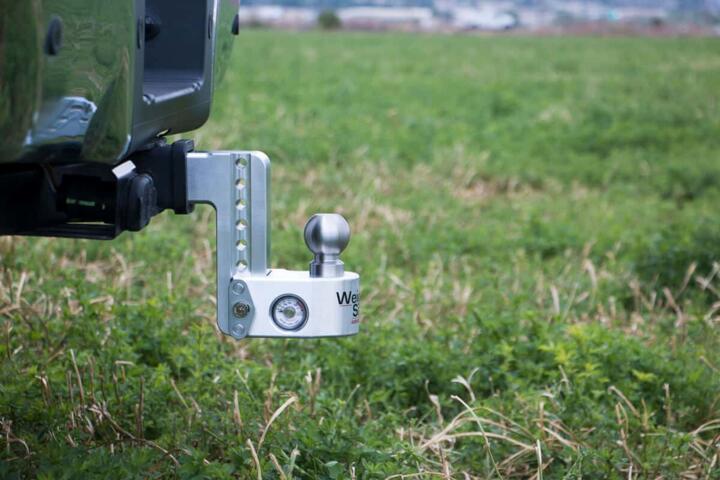
A trailer hitch adds a mounting point for towing and for hitch-mounted accessories, usually through a receiver tube and a standardized ball mount or platform. The receiver itself does not create towing capacity; the vehicle’s hitch rating, payload rating, and brake capability set the ceiling. For example, a typical Class III receiver is rated around 5,000 lb gross trailer weight in many applications, but the exact number depends on the specific vehicle and configuration.
Skip the assumption that “bigger receiver equals more towing.” The receiver size is only one piece of the system. The vehicle’s cooling package, transmission calibration, axle rating, and brake hardware matter more, and they vary by model and engine.
Real-world towing also changes fuel use. Many drivers see noticeable drops when towing a 3,000–5,000 lb trailer, especially on grades, because the engine must move extra mass and overcome aerodynamic drag. Even without towing, adding a hitch-mounted cargo carrier can increase wind resistance and reduce highway fuel economy a bit, depending on how much of the carrier’s shape blocks airflow.
Vehicle type changes the math. A midsize SUV with a 2.0L turbo and a 9-speed automatic can tow far less than a body-on-frame pickup with a 3.5L V6 and integrated trailer brake controller. The difference shows up in the published maximum towing and in how the transmission behaves under sustained load.
Fuel economy numbers help ground expectations. A non-towing highway run might land near 30 mpg for some efficient SUVs, but towing can push that far lower, sometimes into the teens on hilly routes. Those swings are why hitch planning should start with the vehicle’s ratings, not the accessory you want to mount.
What Buyers Get Wrong
People often shop for the hitch class and miss the vehicle’s tongue-weight and payload limits. Tongue weight is the downward force at the hitch ball, and it directly affects axle loading and stability. If you overload the tongue, the rear suspension can squat, steering feel changes, and trailer sway becomes more likely.
Skip the idea that “trailer weight is the only number.” The tongue weight and payload capacity can be exceeded first. For instance, a 5,000 lb trailer might have 10–15% tongue weight, which can mean 500–750 lb on the hitch. That load competes with passengers, cargo, and even a full fuel tank.
Wiring is another common miss. A hitch harness that is not matched to the vehicle’s lighting system can cause intermittent brake or turn signals, and some vehicles require a specific module or coding for trailer lighting to work correctly. On modern vehicles with multiplexed electronics, a “universal” harness can work poorly unless it’s designed for that exact wiring architecture.
Brakes are where consequences show up fast. If the trailer is heavy enough to require brakes, the vehicle needs the right brake controller and wiring, plus the trailer must have properly adjusted electric brakes. Without that, stopping distances increase and brake temperatures rise, which can lead to fade on long descents.
Financial consequences follow the physics. Overloading can accelerate tire wear and rear suspension bushings, and it can raise transmission fluid temperatures during repeated towing. Repairs are rarely dramatic in one day, but they add up over a season of weekend hauling.
How to Choose and Install
Match hitch class to rating
Choose the receiver class based on the vehicle’s maximum towing and the hitch rating listed in the owner’s manual. The receiver class is a physical category, but the vehicle’s published limits are the legal and engineering limits. In practice, you want the trailer’s gross weight and tongue weight to sit comfortably under the vehicle’s numbers, with room for passengers and cargo.
Skip the “close enough” mindset. If your truck is rated for 7,500 lb but you routinely tow near that number, you’ll run hotter and burn more fuel. A 3.5L V6 with 300–350 hp can still struggle on grades if the transmission downshifts often and the cooling system is marginal for your route.
What it looks like: a Class III or Class IV receiver on a pickup, or a Class II receiver on many crossovers, with a ball mount or hitch platform that matches the height of the trailer coupler. Tools: a tape measure for coupler height and a scale for tongue weight. Outcomes: fewer stability issues and less rear-end squat during loading.
Confirm tongue weight and payload
Weigh the trailer tongue and compare it to the vehicle’s payload and rear axle limits. A simple way is to use a tongue-weight scale at the hitch, then subtract the measured tongue weight from the remaining payload after passengers and cargo. Many trailers target 10–15% tongue weight, but the exact value depends on trailer design and how it’s loaded.
Skip the “guessing from the brochure” approach. Trailer brochures list gross weight, not your real tongue weight with your gear. If you carry tools in the front of a utility trailer, the tongue can climb quickly, and then the rear tires take the hit.
What it looks like in practice: you may need to move a generator or spare tire to shift weight distribution. Tools: a 1,000–2,000 lb tongue scale and a basic load checklist. Outcome: better steering control and less trailer sway on crosswinds.
Use the right wiring harness
Pick a vehicle-specific trailer wiring harness that matches the lighting system and connector type. Many vehicles use a dedicated module or require a particular harness design to avoid flicker or fault codes. If your vehicle has a factory tow package, the wiring is often integrated and tested with the vehicle’s body control module.
Skip the universal harness when the vehicle has multiplexed electronics. It may work for running lights but fail for brake or turn circuits, and the dash can show trailer-related warnings. I’ve seen cases where a harness installed “correctly” still triggered intermittent faults because the vehicle expected a different load profile.
What it looks like: a clean routing along the frame with strain relief at the connector and no dangling wires near suspension travel. Tools: a wiring diagram from the harness instructions, zip ties, and heat-shrink butt connectors if the kit includes splices. Outcome: reliable brake and turn signals without repeated troubleshooting.
Add a brake controller when needed
When towing a trailer that requires electric brakes, install a compatible brake controller and verify trailer brake operation before highway driving. The controller type matters: time-based controllers and proportional controllers behave differently, and some vehicles require specific wiring adapters. Many owners also forget to check brake adjustment on the trailer itself.
Skip the “it brakes, so it’s fine” check. Electric trailer brakes can be out of adjustment, and the controller can be set too low or too high. On a 6% grade, that mismatch shows up as longer stopping distances or hot brakes.
What it looks like: a controller mounted near the driver, with a manual override and a gain setting. Tools: a brake controller tester or a safe test procedure in a parking lot, plus a multimeter if the install instructions call for it. Outcome: more predictable braking and less stress on the vehicle’s service brakes.
Plan for cooling and transmission
Towing adds heat, so check whether your vehicle’s towing package includes a transmission cooler or enhanced cooling. Many modern automatics manage heat with integrated coolers, but the capacity and airflow depend on the specific engine and radiator setup. If you tow frequently, consider whether the factory configuration already includes the right cooling hardware.
Skip the idea that horsepower alone covers towing. A 2.0L turbo making 250 hp can still hit high transmission temperatures if the tow mode strategy downshifts aggressively. Watch for symptoms like frequent hunting between gears and a persistent high engine load.
What it looks like: stable coolant temperatures and fewer downshifts during steady climbs. Tools: an OBD-II scanner that can read transmission temperature if supported, and a thermometer if your vehicle has no sensor access. Outcome: fewer heat-related shifts and less long-term wear.
Account for maintenance and wear
Expect extra wear on tires, brakes, and suspension components when towing. Trailer towing increases rolling resistance and brake usage, so brake pads and rotors can wear faster, and tires often show uneven wear if alignment changes under load. If you tow in wet or salty conditions, corrosion on hitch hardware can also become a maintenance item.
Skip the “hitch is just metal” mindset. Receiver bolts can loosen with vibration, and rust can seize shanks and pins. A light coat of anti-seize on the shank and periodic inspection of the pin and clip are common practices, though you should follow your hitch manufacturer’s guidance.
What it looks like: a yearly inspection of hitch pin tightness, wiring connector condition, and brake controller settings. Tools: a torque wrench for the hitch fasteners and a flashlight for checking for cracks or deformation. Outcome: fewer roadside issues and smoother accessory removal.
Think about cabin practicality
Hitch-mounted accessories affect cargo access and rear visibility. A bike rack or cargo carrier can block the rear camera view, and some vehicles require moving the rack to access the tailgate fully. Child-seat compatibility also matters if you plan to tow with a family in the vehicle; the hitch receiver can limit where you can mount certain accessories near the bumper.
Skip the “rear space is separate” assumption. If you mount a cargo carrier, you may still need to carry groceries and sports gear inside, which can reduce legroom for rear passengers. On a compact SUV, rear seat access can be tight when you also load a stroller and a cooler.
What it looks like: you test tailgate clearance with the rack installed and check whether the trailer lights remain visible. Tools: a tape measure for clearance and a quick test with the rack loaded to simulate real weight. Outcome: fewer last-minute packing changes on road trips.
Plan road-trip comfort and noise
Towing changes cabin noise through wind buffeting and tire roar from the trailer. A hitch-mounted cargo carrier can also create additional turbulence, especially at highway speeds. If you tow a trailer with a high frontal area, expect more engine load and more audible drivetrain noise.
Skip the “same route, same fuel” expectation. If your highway cruise is 70 mph, the engine load and aerodynamic drag rise with trailer speed and crosswinds. That’s why many drivers plan rest stops more often and keep tire pressures set to the trailer’s spec.
What it looks like: steadier throttle behavior when you use tow mode and keep speed moderate. Tools: a tire pressure gauge and a checklist for trailer wheel lug torque. Outcome: less fatigue and fewer surprises when you stop for fuel.
Mini Case: Fleet Hauling
A small service company ran a 2021 midsize SUV with a factory tow package for weekly equipment runs. The problem was inconsistent trailer lighting and frequent brake controller resets after battery service, which led to delayed deliveries and extra time on-site. They switched to a vehicle-specific harness and added a proportional brake controller with a documented gain setting, then they logged brake performance on a 4-mile hill route.
The result was fewer electrical faults and more predictable braking. They estimated 2–3 hours per month saved from troubleshooting and rework, and they reduced brake-related complaints from drivers. Over 18 months, they also saw less rear tire wear because they corrected tongue-weight loading after weighing trailers at the start of each job.
Costs were not trivial. The harness and controller install ran roughly $600–$1,200 depending on labor and parts, and the company still paid for periodic trailer brake adjustments. The payback came from reduced downtime, not from towing “feeling better.”
Mini Case: Family Weekend
A family with a compact crossover wanted to tow a small utility trailer for weekend projects. Their first attempt used a hitch accessory setup without checking tongue weight, and the trailer felt unstable on windy stretches. They reloaded the trailer using a simple weight distribution plan, then they verified tongue weight with a scale and adjusted the ball mount height.
They also upgraded to a wiring harness matched to their vehicle and tested all lights before the first trip. After that, they reported fewer dash warnings and more reliable brake lights, which mattered because they often drove at night. Fuel economy dropped less than expected once they kept speeds closer to 60–65 mph and avoided overloading the trailer with heavy tools.
They tracked fuel costs across three similar trips. With towing, their highway fuel economy averaged about 18–20 mpg instead of the 22–24 mpg they saw without towing, based on their receipts. The difference was consistent enough that they planned around it, rather than chasing a “fix” that didn’t exist.
Hitch Checklist and Comparison
| Item to verify | What to look for | Why it matters | Quick test |
|---|---|---|---|
| Towing rating | Max trailer weight and tongue weight in manual | Prevents overload and stability issues | Compare trailer gross weight to rating |
| Payload math | Passengers + cargo + tongue weight | Stops rear axle overload | Weigh tongue and subtract from payload |
| Wiring compatibility | Vehicle-specific harness or factory tow wiring | Avoids flicker and fault codes | Test running, brake, and turn lights |
| Brake controller | Correct type for trailer brakes | Improves stopping on grades | Verify trailer brake response before highway |
| Hitch hardware condition | Pin, clip, bolts, rust level | Prevents loosening and seized parts | Inspect monthly during use season |
Common Mistakes and Fixes
Buying a hitch without checking the vehicle’s tow package. It happens when the installer focuses on receiver fit, not the vehicle’s wiring and cooling configuration. The impact is often reduced towing performance or missing brake controller support. Avoid it by matching the hitch part number to your exact trim and engine, then verifying the owner’s manual towing limits.
Skip the “install it once” mindset. Hitch wiring and brake controller settings can drift after battery replacement or software updates, and some vehicles store trailer-related calibration. The impact is intermittent brake or turn behavior. Avoid it by testing lights and brake response after any battery service, and keep a note of your controller gain setting.
Overloading the tongue because the trailer is packed for convenience. It happens when heavy items go in the front storage area without weighing. The impact is rear axle overload and increased sway risk. Avoid it by weighing tongue weight and moving 1–2 heavy items until you land in the target range for your trailer.
Ignoring trailer brake adjustment. It happens when owners assume the controller setting fixes everything. The impact is longer stopping distances and overheated brakes on descents. Avoid it by checking brake adjustment and wheel bearing condition on the trailer at the start of the season, then after any long towing stretch.
Using the wrong ball mount height. It happens when the hitch is installed but the coupler sits too high or too low. The impact is poor weight transfer and unstable ride. Avoid it by setting the trailer level and verifying clearance, then re-checking after you load the trailer for the trip.
FAQ
Does a hitch increase towing capacity?
No. The hitch receiver is a mounting point, but the vehicle’s maximum towing and payload limits come from the manufacturer’s engineering package. A hitch can be rated for a certain trailer weight, yet the vehicle may be rated lower due to cooling, transmission, axle, or brake hardware. If you tow near the vehicle’s limit, you also increase heat load and tire wear. Check the owner’s manual for maximum trailer weight, maximum tongue weight, and any notes about engine size, axle ratio, or brake controller requirements.
What wiring do I need for lights?
Most trailers need running lights, brake lights, and turn signals, which require a wiring harness matched to the vehicle. Many modern vehicles use multiplexed electronics, so a universal harness can cause flicker or fault messages. A vehicle-specific harness typically routes power correctly and may include relays or converters for the trailer’s lighting type. After installation, test every function with the trailer connected: left turn, right turn, brake, and running lights. If your vehicle shows trailer warnings, troubleshoot before towing at night.
When do I need a brake controller?
You need a brake controller when towing a trailer with electric brakes that require controller input. The owner’s manual and trailer documentation usually indicate whether electric brakes are present and what type they use. Some vehicles include a factory controller with a tow package; others require an aftermarket controller and wiring adapter. Controller settings matter: too low can lead to long stops, too high can lock trailer brakes. Verify operation on a safe, low-speed test before highway driving.
Can I use a hitch for bike racks only?
Yes, a receiver hitch can mount bike racks, cargo carriers, and tow-compatible accessories without towing a trailer. Even then, you should respect the receiver’s maximum tongue weight rating for the accessory and check for bumper clearance. A bike rack can still affect rear visibility and tailgate opening, and it can increase wind noise at 65–75 mph. If you carry children in the rear seats, check that the rack doesn’t interfere with child-seat access or rear door opening. Test the full tailgate cycle with the rack installed.
Will a hitch affect insurance or resale?
It can. Insurance changes depend on your insurer and the vehicle’s risk profile, and a hitch-mounted accessory can increase theft exposure if it’s not secured. Some buyers prefer vehicles with tow packages because they reduce retrofit work, which can help resale in certain markets. The effect varies by region and demand for towing. Keep receipts for the hitch and wiring install, and document any factory tow package components so future buyers understand what was added and what was not.
Author's Insight
A hitch changes the vehicle’s job from carrying people to managing heat, load transfer, and electrical signaling. The receiver is only the interface; the real limits come from the vehicle’s cooling, braking, and payload math. When owners plan around tongue weight and wiring compatibility, towing problems drop sharply. When they plan around receiver class alone, they often end up troubleshooting lights, sway, or brake behavior for months.
For many buyers, the practical path is to start with the owner’s manual towing chart, then match wiring and brake controller needs to the trailer’s brake type. After that, weigh the tongue once with your actual load. That one measurement tends to correct more mistakes than any accessory swap.
What to Remember
Start with the vehicle’s published towing and payload limits, not the hitch class. Verify tongue weight with a scale, match a vehicle-specific wiring harness, and install a brake controller when the trailer uses electric brakes. Expect extra wear on tires and brakes during towing seasons, and inspect hitch pins, wiring connectors, and rust buildup regularly.
Next steps: read the towing section of your owner’s manual, confirm your engine and axle configuration, then test trailer lights and braking before a long trip. If you see brake controller fault codes, trailer light flicker, or abnormal sway, stop towing and have the hitch and wiring inspected by a qualified installer. Seek professional help sooner if you notice grinding noises, cracked hitch components, or repeated overheating under load.