Why Coverage Matters
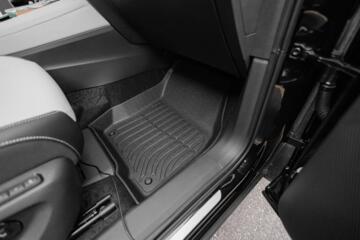
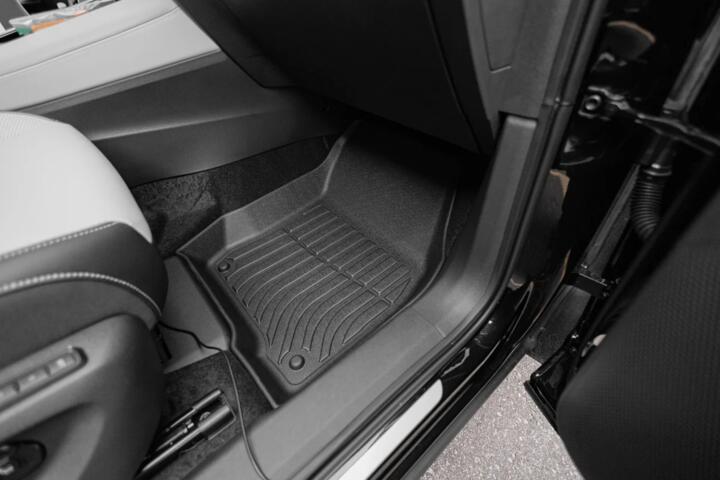
Floor liners beat basic mats when the goal is stopping water, salt, and grit from reaching the carpet and underlay. A liner’s raised sidewalls and deeper channels change where the mess goes, not just how it looks. In winter climates, road salt can accelerate corrosion on metal components, and wet carpet can drive odor complaints fast.
Basic mats usually sit flatter and rely on friction. That works until the mat slides a few millimeters, then the edge becomes a leak path. A typical passenger shoe can drag in a surprising amount of sand; even a thin layer acts like abrasive paste when it grinds into fibers.
Vehicle type changes the problem. A compact crossover with a higher door sill tends to collect more debris at the front edge, while a pickup’s wider footwell can expose more carpet if the mat is undersized. Many factory floor mats are designed around specific mounting points, and liners that match those points tend to stay put.
Salt exposure is not theoretical. The U.S. Federal Highway Administration has reported that highway agencies apply millions of tons of deicing salt annually across the country, and that salt ends up on tires and floor surfaces. In parallel, interior moisture is a known driver of odor and mold risk when it stays trapped under coverings.
Skip the “looks fine” check. They add one more thing to manage. Lift the mat after a rain and inspect the carpet edge; if it’s damp, the coverage strategy failed.
What Goes Wrong with Mats
People get misled by surface coverage. A basic mat can cover the flat floor area, yet still leave the high-risk zones uncovered: the corners, the pedal area, and the side edges near the door. Those are the spots where water and grit migrate first.
Mat shifting is the usual culprit. When the mat moves, it creates a gap that lets slush creep under the edge. That gap also becomes a wear point where the mat rubs the carpet, which can fray fibers and make the next clean-up harder.
Consequences show up in cleaning time and resale condition. If you have a 2019 Toyota RAV4 or a 2021 Honda CR-V, the front carpet and underlay are visible during trade-in inspections. Even if the damage is subtle, dampness and staining can reduce buyer confidence and push you toward deeper detailing.
Skip the “I’ll just vacuum it” plan. It rarely works the way the docs say. Vacuuming removes loose grit, but it does not pull salt solution out of the underlay once it soaks in.
In real-world use, the problem is worse on vehicles with more foot traffic and frequent entry. A minivan used for school drop-offs accumulates more moisture cycles than a garage-kept coupe. A liner’s containment helps across those cycles, not just during the first spill.
Ownership costs follow the pattern. Carpet replacement is not a cheap job, and odor remediation can require repeated cleaning and drying. If the underlay stays wet, you can end up paying for more labor than you expected, plus time without the vehicle.
Specific Liner Upgrades
Match your mounting points
Do this: choose liners that match your vehicle’s factory retention system. Why it works: correct clips or grommets keep the liner from walking when you step in and out. What it looks like: the liner sits flat around the pedals and does not bow at the edges. Tools: check the part number list for your exact year and trim, then test-fit before committing.
On a 2022 Ford Escape 1.5L, the front footwell shape changes enough between trims that a “universal” mat can leave a corner exposed. A liner that locks into the same points tends to stay aligned through repeated use.
Use sidewalls for wet seasons
Do this: prioritize liners with raised sidewalls and a raised perimeter. Why it works: water and slush collect in the channels instead of spreading across the carpet. What it looks like: you can pour out a small amount of liquid from the liner after a storm. Tools: a wet-dry shop vac and a stiff brush help remove grit from the channels.
In winter, a liner’s containment matters because salt solution is water-based. If it stays on the liner, you can clean it before it migrates under the edge.
Pick the right material thickness
Do this: compare thickness and flexibility. Why it works: thicker liners resist tearing at the heel scuff zone and hold their shape over time. What it looks like: the liner returns to form after you flex it during installation. Tools: press a thumb into the heel area; if it feels too soft, it may wear faster.
For example, a heavy-duty liner on a 2020 Ram 1500 crew cab sees more heel impact because the driver’s seat position and pedal reach encourage a consistent heel strike. That wear pattern is exactly where thin mats fatigue.
Check pedal clearance and safety
Do this: verify clearance around the accelerator and brake. Why it works: liners that fit the footwell contours avoid interfering with pedal travel. What it looks like: the liner edge sits below the pedal arc and does not ride up. Tools: with the engine off, press each pedal fully and watch for contact.
Skip the “it’s close enough” fitment. It can create a safety hazard if the liner shifts. If you drive a vehicle with a dead-pedal design, the liner should not block that surface.
Plan for cleaning and drying
Do this: treat liners as a maintenance item, not a set-and-forget cover. Why it works: trapped grit can abrade carpet if it escapes during removal. What it looks like: you lift the liner, dump debris, then wipe the channel. Tools: a microfiber towel, mild soap, and warm water work better than harsh solvents on many plastics.
On long road trips, liners reduce the “mystery mess” problem. You can stop every 2–3 hours, brush out loose sand, and keep it from grinding into fibers during the next leg.
Use liners for child-seat days
Do this: choose liners that cover the rear footwell fully. Why it works: child-seat installs and frequent rear-seat entry bring more dirt and moisture into the back. What it looks like: the rear liner reaches the door sill area and stays aligned with the seat rails. Tools: check whether the rear liner interferes with seat belt buckles and child-seat anchors.
On a 2018 Subaru Outback 2.5L, the rear floor has more contouring for cargo access. A liner that follows that contour reduces the chance of grit collecting under the seat edge.
Consider cargo and spill containment
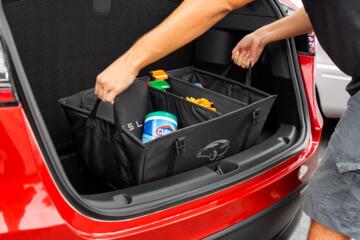
Do this: look for a liner system that includes trunk or cargo coverage when the vehicle uses a split-fold rear seat. Why it works: spills and wet gear often start in the cargo area and migrate forward. What it looks like: the cargo liner has raised edges that catch water from boots and bags. Tools: a small squeegee helps move water off the cargo surface.
For a 2021 Toyota Highlander, cargo spills are common because the third-row access invites more foot traffic. A cargo liner reduces the chance of wetness reaching the carpeted side panels.
Verify warranty and fitment coverage
Do this: check the product warranty terms and the fitment guarantee. Why it works: a good warranty covers defects like cracking or warping, which matters in freeze-thaw conditions. What it looks like: the seller lists exact vehicle compatibility and provides a return window. Tools: save the order confirmation and take a photo of the installed fit.
Skip guessing. If the listing says “fits multiple years,” compare the mounting layout on your specific trim. A mismatch can show up as a small gap that you only notice after the first rain.
Mini Case Examples
A small delivery company ran a fleet of 12 compact vans for last-mile routes. The issue was recurring salt staining and a musty smell in two vehicles after winter storms, even with regular vacuuming. They switched from basic mats to vehicle-specific liners with sidewalls and retention clips, then added a 5-minute weekly cleaning routine using a wet-dry vac. After one winter season, they reported fewer odor complaints and less visible staining at inspection time, with an estimated labor reduction of about 30 minutes per vehicle per month during detailing.
Another case involved a family with a 2019 Honda CR-V 1.5T used for weekend sports. The problem was muddy footprints in the rear footwell and dampness after rain. They installed rear liners and checked pedal clearance at install. Within two months, they stopped seeing wet carpet edges during quick wipe-downs, and the family reduced deep-clean visits from roughly twice per year to about once per year, based on their service invoices.
Quick Checklist vs Mats
| Check | Floor liners | Basic mats | What to do |
|---|---|---|---|
| Sidewall height | Raised perimeter channels | Often flat edges | Choose liners that trap water at corners |
| Retention | Clips/grommets match mounts | Friction fit, can shift | Test-fit and check for movement |
| Pedal clearance | Footwell contour fit | May ride up near pedals | Press pedals fully after install |
| Cleaning | Dump and rinse channels | Grit spreads under edges | Lift and inspect carpet edges |
| Rear coverage | Often includes rear footwell | Rear coverage varies | Match child-seat entry patterns |
Common Mistakes and Fixes
Buying a universal mat is the most common misstep. It happens because universal products look cheaper and the listing photos show a flat floor. The impact is predictable: corners stay exposed and the mat shifts after a few weeks. Avoid it by using your exact year, make, model, and trim, then confirm the mounting points match.
Skip the “install once, never check again” routine. It can create a slow problem. After the first heavy rain, lift the liner and inspect the carpet edge for dampness. If you see moisture, the fitment or retention is wrong.
Ignoring pedal clearance causes a safety issue. It happens when people focus on coverage area and forget the pedal arc. The impact is interference during full pedal travel, especially with thicker footwear. Avoid it by pressing each pedal fully and watching for contact, then re-seat the liner if needed.
Overlooking rear-seat coverage is another frequent mistake. It happens because the front footwell is visible and the rear is out of sight. The impact shows up as muddy footprints and dampness around seat belt buckles. Avoid it by checking the rear liner fit around buckles and child-seat anchors.
Using harsh cleaners can damage the liner surface. It happens when people treat liners like rubber flooring and reach for strong solvents. The impact is cracking, haze, or a slippery finish that encourages shifting. Avoid it by using mild soap and warm water, then letting the liner dry fully before reinstalling.
One small aside: I keep a label on my garage shelf with the install date and the product SKU. It helps when a liner needs a warranty claim, and it also helps you remember which version you bought—my last order was on 2024-11-03, and the packaging had a different revision number than the listing.
FAQ
Do floor liners fit every car?
No. Floor liners are usually designed around specific floor contours and factory retention points. A “fits multiple years” listing can still miss a corner if your trim has different seat rail brackets or a different dead-pedal shape. Before buying, verify compatibility by year, make, model, and trim, then check whether the liner uses clips or grommets that match your vehicle. After installation, press the brake and accelerator fully and confirm the liner does not ride up near the pedals.
Will liners trap moisture under the carpet?
Liners reduce moisture reaching the carpet when they fit correctly and stay in place. The risk comes from two scenarios: a liner that shifts and leaves gaps, or a liner that holds water for long periods without cleaning. If you drive in heavy rain or snow, dump the liner contents and rinse the channels, then let it dry before reinstalling. If you notice damp carpet edges after a storm, the fitment is wrong or the liner is not seated on the retention points.
Are liners worth it for summer use?
They still help, but the payoff changes. In summer, the main issues are dust, pollen, and spilled drinks rather than salt solution. A liner’s channels make it easier to contain liquid spills and keep grit from grinding into carpet fibers. If your vehicle sees frequent beach trips, construction sites, or kids in the back seat, liners reduce cleanup time. If your car is mostly garage-kept and you rarely track in dirt, basic mats may be adequate.
How do liners affect resale value?
They can protect the carpet condition, which matters during trade-in inspections. Buyers often check the front footwell for staining, dampness, and wear patterns near the heel. Liners also reduce the chance of odor complaints caused by trapped moisture. They do not fix unrelated issues like worn seats or mechanical problems. Keep receipts and take a quick photo of the installed liners; if a dealer asks, you can show consistent interior care.
Can I use liners with all-weather shoes?
Yes, but you still need fitment and cleaning. Heavy tread can carry more grit, so liners with sidewalls and deep channels handle that better than flat mats. If you wear very stiff footwear, check that the liner surface does not deform and that it stays seated on the retention points. After muddy days, dump and rinse the channels rather than only vacuuming. That prevents abrasive particles from escaping when you step out.
Author's Insight
Floor liners outperform basic mats because they change the physics of where water and grit go: they contain, channel, and stay aligned with the footwell. The best results come from correct vehicle-specific fitment, not from thicker material alone. I’ve seen the same pattern across different vehicle types: once the edge coverage and retention are right, cleaning becomes faster and carpet edges stay drier. If you drive a lot in winter or with kids, the liner’s sidewalls and rear coverage matter more than the top surface pattern.
Key Points
Choose liners that match your vehicle’s mounting points and cover the corners and side edges, not just the flat floor. Verify pedal clearance after install, then inspect carpet edges after the first heavy rain or snow. Plan on periodic cleaning of the channels so trapped grit does not escape onto the carpet.
Benefits include better moisture containment, less staining, and reduced odor risk from damp underlay. Limits exist: a poor fit can still let water reach the carpet, and liners require maintenance rather than permanent neglect. If you already have persistent dampness, odor, or visible staining, a professional interior detailer or a shop that can inspect underlay moisture is the next step.