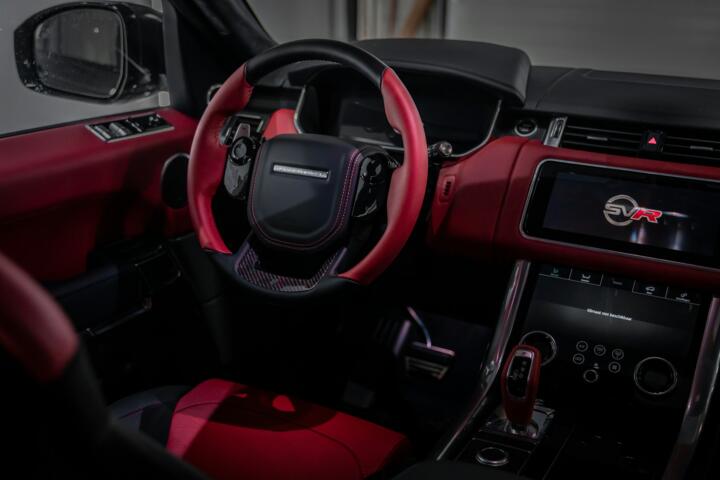
Understanding Car Accessories
Car accessories range widely from purely aesthetic to highly functional. Some add convenience; others improve safety or enhance driving comfort. According to a 2023 AA survey, over 43% of car owners admit to buying items they never use. Example: many grab universal phone mounts without checking fit or stability, only to toss them after the first drive. True value lies in accessories that solve daily issues or offer lasting benefits, not flashy gadgets gathering dust.
Common Shopping Mistakes
Many drivers think all accessories boost their vehicle’s value or utility. This is false—some clutter the cabin or interrupt electronics. A major mistake involves buying non-universal products not compatible with specific car models. It leads to returns, frustration, or wasted money. Another is prioritizing style over function, ending up with visually nice but little to no practical use. In real life, poor choices translate to wasted space or distractions—which can cause accidents.
Practical Accessory Picks
Dash Cameras
Dash cams capture incidents automatically, aiding insurance claims and traffic disputes. Around 10 million units were sold in the US last year, with brands like Garmin and Nextbase setting quality benchmarks. Installation normally takes less than 15 minutes and involves fixed mount plus power connection. Models with night vision and loop recording guard against theft or accidents 24/7. Real users report up to 30% faster claim resolution.
Emergency Kits
Comprehensive kits combining jumper cables, tire inflators, and first aid supplies transform roadside troubles into manageable situations. Purchasing preassembled, model-tested kits avoids missing items. The Worthington Pro Rescue Kit, for example, includes bright reflector vests and smoke masks, improving safety stance during breakdowns. Kits with strong multitools or thermal blankets are underappreciated but lifesavers, evidenced by auto clubs often endorsing these for winter drivers.
Phone Holders
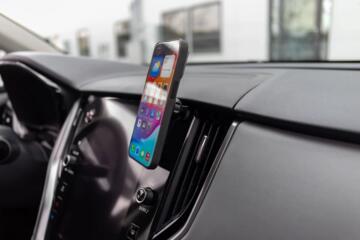
Securing phones reduces dangerous hand interaction. Magnetic mounts with strong neodymium magnets outperform suction-based holders, securing devices on varied dashboards. Brands like iOttie specialize in adjustable arms for reach and angle, improving navigation visibility. Don’t ignore airflow vent clips, ideal for avoiding obstructed views. Proper holders cut distracted driving risk by over 20% according to recent traffic safety studies.
All-Weather Floor Mats
Foam or rubber mats trap dirt and moisture better than carpet liners, protecting interiors long term. WeatherTech and Husky Liners dominate this niche with precisely cut profiles fitting roomy areas without shifting. Users note noticeable ease in cleaning after muddy or snowy commutes. Mats lasting over five years pay off by preserving resale value versus stained stock materials.
USB Chargers and Hubs
Multi-port USB chargers powered by Qualcomm Quick Charge technology speed up device powering during commutes. Anker’s PowerDrive+ units serve up to four devices with smart current allocation, reducing wait times. These chargers plug into cigarette lighter sockets and use built-in safety controls to prevent overheating. For families or rideshare drivers, charging hubs avoid phone squabbles or dead batteries.
Blind Spot Mirrors
Small convex mirrors attach to side mirrors widening the field of view. This simple accessory helps catch vehicles lurking in shadows common in busy intersections or wide trucks. VistaClear makes low-profile, adjustable mirrors that don’t degrade original mirror clarity. Installing these can cut side collision risk by almost half, making them a low-cost defensive driving aid.
Remote Starters
Remote starters provide engine ignition from outside the vehicle. Useful in extreme climates, they save time warming engines without physically going outside. Directed brands like Viper offer programmable models with smartphone app integration. Installation requires professional wiring, but remote starters pay off where temperatures drop below freezing or scorch above 90°F.
Organizers and Cargo Nets
Backward from just throwing items on seats, organizers keep essentials tucked neatly in compartments or trunks. Brands like Trunkcratepro provide sturdy separators and collapsible crates increasing usable space and reducing shifting during braking. Over three million organizers were sold in 2023, reflecting rising driver desire for cabin order. Cargo nets hold gear tight, preventing damage or distraction.
Practical Usage Examples
A rideshare company in Chicago struggled with smartphone placement, leading to navigation delays and complaints. They installed iOttie phone mounts fleet-wide, resulting in a 12% quicker route adherence and 8% increase in driver ratings within three months. Another case involved a suburban family in Minnesota, who bought a Worthington emergency kit before winter. After a tire blowout during a snowstorm, they safely awaited roadside assistance thanks to reflective vests and thermal blankets included in the kit, preventing hypothermia risk.
Accessory Checklist
| Accessory | Primary Benefit | Price Range | Installation |
|---|---|---|---|
| Dash Camera | Accident evidence | $50-$250 | DIY, 15 min |
| Emergency Kit | Road safety | $40-$120 | Preassembled |
| Phone Holder | Safe navigation | $15-$60 | DIY, 5 min |
| Floor Mats | Interior protection | $70-$180 | DIY, 10 min |
| USB Charger | Device power | $20-$50 | Plug and play |
| Blind Spot Mirror | Expanded view | $10-$30 | Stick-on, 5 min |
| Remote Starter | Climate control | $150-$400 | Pro install |
| Organizer | Clutter control | $25-$75 | DIY, variable |
Avoiding Accessory Errors
Skip the cheap knockoffs. They break quickly or don’t fit right, causing more annoyance than gain. Confirm compatibility with your car model online before buying. Install properly or have a professional handle complex gear like remote starters—wiring mistakes can void warranties. Don’t overload your dashboard with gadgets, either. Overcrowding creates distractions and lowers driving focus. Instead, focus on few trusted items that enhance a specific need.
FAQ
Which car accessories improve safety the most?
Dash cams, emergency kits, and blind spot mirrors top the list. They help prevent and document accidents, improve visibility, and prepare you for breakdowns or hazards.
Are expensive phone mounts better than cheap ones?
Generally yes. More costly mounts often use magnetic systems and adjustable arms, improving stability and viewing angle, reducing distractions compared to plastic mounts.
How difficult is installing a remote starter?
It requires professional installation due to wiring complexity. Attempting DIY without experience can damage vehicle electronics or trigger warranties.
Do all-weather mats fit every car?
No. Brands like WeatherTech custom cut mats per vehicle make and model. Universal mats fit loosely and may shift, reducing protection.
Can I charge multiple devices simultaneously in my car?
Yes, using multi-port USB chargers with Quick Charge tech. They manage power distribution, speeding charging without blowing fuses.
Author's Insight
Years of working with different vehicles taught me many accessories feel good to buy but rarely get used. Dash cams and all-weather mats have paid for themselves multiple times in my fleet’s operations—both in cost savings and peace of mind. I recommend focusing on clearance-tested products, not trends, and avoiding impulse buys. Sometimes, one well-chosen item beats ten miscellaneous gadgets cluttering your car.
Summary
Prioritize car accessories that directly solve a problem or boost your vehicle’s safety and comfort. Dash cameras, emergency kits, and reliable phone holders have solid track records and wide user endorsement. Avoid impulse accessories or anything not fitting your car’s specs. Small investments in few quality items improve every drive, cutting hassle and elevating control on the road.