Why One Test Drive Isn’t Enough
Driving a car around the block checks immediate feel and responsiveness, but it reveals very little about its lasting value or hidden faults. For example, a 2021 used Tesla Model 3 might feel perfect on a test drive, but ignoring battery health or software update history can lead to costly surprises later. Studies from Consumer Reports show nearly 15% of used cars have undisclosed issues unnoticed during brief drives.
Cars with electronic systems or turbo engines also require different inspections than standard models. A short drive ignores those delicate parts. You need to look beyond acceleration and handling — the smells inside, dashboard light patterns, and even how fast the odometer climbs matter just as much.
Test drives last 10 to 20 minutes typically. Yet, real-world problems often emerge over weeks of driving, like coolant leaks or transmission hesitations.
Common Buyer Pitfalls
Buyers fixate on appearance or smooth rides but overlook records like maintenance or accident history. This blind spot matters more than one suspects — vehicles with hidden frame damage are estimated to be 25% less reliable over five years after purchase.
Ignoring a third-party inspection or skipping vehicle history reports often leads to unexpected repair costs. I’ve seen buyers pass on a 2018 Honda Civic due to minor cosmetic issues, only to regret missing transmission fluid change intervals, which tripled repair bills later. Emotional bias masks mechanical reality.
Relying only on dealership promises risks falling prey to hidden fees or unhonored warranties. Some dealers also push 'certified pre-owned' labels with broad standards that vary, which, frankly, most people skip verifying.
Practical Steps To Inspect More
Check Service Records
Regular oil changes, brake checks, and tire rotations indicate conscientious care. A 2019 Toyota Camry with documented maintenance every 6,000 miles shows better resale value and fewer repairs. Request paper or digital receipts, or use services like CARFAX for verification.
Use Trusted Vehicle History Services
Reports from CARFAX, AutoCheck, or the National Motor Vehicle Title Information System provide data on accidents, title issues, or previous owners. When a 2016 Ford F-150 appears clean but history reveals it as a rental vehicle, expect higher wear despite a good test drive feel.
Inspect Mechanical and Electronic Components
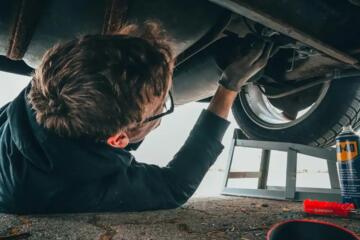
Bring a knowledgeable mechanic or use mobile services like YourMechanic for inspections. They spot leaks, worn bushings, brake pad thickness, and software glitches dealers may hide. Also, realize even a 2014 BMW’s iDrive system may malfunction intermittently — be thorough.
Look Beyond the Exterior
Test panel gaps, paint overspray, and rust hidden under the chassis can signal past accidents or neglect. For example, minor rust spots under wheel wells escalate rapidly in humid areas like Florida, degrading frame integrity.
Assess Ownership Costs
Factor insurance, fuel economy, tax rates, and typical repair expenses. For instance, luxury sedans such as Audi A6 may have a higher initial price but incur 40% more maintenance costs than midsize competitors annually. Resources like Edmunds True Cost to Own help estimate.
Evaluate Dealer Reputation
Look up reviews on Better Business Bureau or Google Maps and check for recurring complaints about hidden fees or shoddy repairs. A dealership with a 2-star average rating over the last 6 months is a red flag many ignore.
Test Non-Driving Features
Check infotainment, air conditioning, and safety systems. A Bluetooth connection that drops constantly or malfunctioning blind spot sensors cause frustration that no short test resolves.
Investigate Warranty Coverage
Understand what remains on the original warranty or if certified pre-owned programs offer extended plans. Warranty gaps might expose you to major bills, especially with vehicles over 60,000 miles.
Real Cases
One midsize delivery company bought five 2017 Nissan vans, relying mostly on test drives. Within 12 months, three suffered transmission failures, each costing $3,200 in repairs. After adding mandatory vehicle history checks and mechanic inspections for future acquisitions, they reduced breakdowns by 90% over the next two years.
An individual bought a 2015 Subaru Outback, skipping an in-depth inspection. After noticing dashboard alerts a month later, they discovered a cooling system leak that the dealer didn’t disclose. Early analysis would have flagged inconsistencies in fluid levels and pressure, preventing $1,000 spent on emergency repairs.
Checklist for Buyers
| Step | Action | Tool/Service | Outcome |
|---|---|---|---|
| 1 | Review maintenance logs | Owner records, CARFAX | Detect care level |
| 2 | Order vehicle history report | AutoCheck, CARFAX | Uncover accidents |
| 3 | Perform mechanic inspection | Local garage, YourMechanic | Spot hidden faults |
| 4 | Check dealer reviews | BBB, Google Maps | Avoid scams |
| 5 | Test all functions | Manual checklist | Confirm working status |
Frequent Errors
Skipping pre-purchase inspections leads to surprises like engine or transmission faults. Relying only on visual appeal causes overlooking body damage or rust beneath. Buying from dealers without checking reviews invites undervalued cars with hidden fees.
At times, rushing the decision misses vital test phases, like overnight parking to check leaks or running the engine cold-start. When I bought a used Mazda in 2019, I test-drove and ignored a coolant smell, which later cost a $1,200 repair.
Don’t trust dealer reassurances about ‘just a light brush’ damage without proper documentation. Buyer remorse lingers when warranties expire fast, and repair costs stack.
FAQ
Can a test drive reveal hidden mechanical issues?
A short test drive often misses internal mechanical and electronic faults that emerge under prolonged use, such as transmission slipping or intermittent sensor errors.
Are vehicle history reports reliable?
These reports offer valuable insights but can miss unreported accidents or repairs. Combining with inspections enhances accuracy.
How long should a used car be inspected before buying?
A thorough inspection by a trusted mechanic usually takes 1 to 2 hours depending on vehicle complexity and condition.
Is dealer reputation truly a buying factor?
Reputation reflects past customer experiences and dealer integrity, reducing risk of fraud or skipped disclosures.
What ownership costs go unnoticed during the test drive?
Fuel, insurance, maintenance, and depreciation are often underestimated; these add thousands annually beyond purchase price.
Author's Insight
Years of inspecting used cars taught me that test drives reveal less than 20% of a vehicle’s story. Mechanical leaks, electronic failures, and hidden rust usually unfold only over time or with detailed examinations. I trust independent pre-purchase inspections more than dealer claims. Buyers insist on seeing full histories and bringing a mechanic along for peace of mind. Safety systems demand checking beyond mere function; some alerts appear only in specific conditions. Knowing these nuances saved me thousands.
Summary
Don’t judge a car by its test drive alone. Combine vehicle history reports, maintenance records, dealer reputation, and expert inspections to avoid expensive surprises. Allocate time for thorough checks and factor ownership costs before committing. Careful preparation transforms a good test drive into a confident buy.