Tint Laws: the Real Map
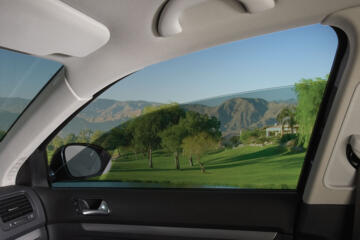
Window tint rules vary by region because enforcement targets safety and visibility, not just heat control. In many places, the law uses visible light transmission, or VLT, measured as a percentage. A common baseline limit is 70% VLT for front side windows in several jurisdictions, while rear windows often have fewer restrictions.
Vehicle type changes the rules more than many buyers expect. A sedan’s front side glass may be regulated differently than a pickup’s cab glass, and commercial vehicles sometimes face different inspection standards. The same tint film can be legal on one vehicle and illegal on another, even with identical VLT ratings.
Enforcement also depends on how the film is measured. Officers and inspectors typically use a handheld meter that reads VLT at the glass surface, and results can vary with angle, curvature, and film installation quality. In practice, a film marketed as “35%” may measure differently after curing, especially if the shop’s prep is rushed.
For example, a 35% VLT front side tint can still be illegal where the minimum is 50% or 70%. In some regions, the windshield band has separate limits, such as a narrow top strip, while the rest of the windshield must remain clear. The exact numbers change, and the only reliable method is to check your local statute or inspection bulletin.
Skip the guesswork. It turns into rework costs.
What People Get Wrong
People often assume “legal tint” means the same thing everywhere. They also confuse marketing labels with legal compliance, since VLT is not the only parameter. Reflectivity limits, tint color restrictions, and exemptions for medical conditions can differ by region.
Another common error is tinting the wrong glass. Many laws treat front side windows, rear side windows, and the rear windshield as separate categories. A shop that tints everything to match the rear can accidentally push the front side windows below the legal VLT threshold.
Consequences show up fast. A ticket can lead to removal, and removal is not just film peeling; it often includes adhesive residue cleanup and re-inspection. If you’re financing the vehicle, a forced removal can also complicate documentation for warranty claims related to glass or trim.
Real-world situations are predictable. A commuter who drives at night in foggy conditions may notice glare and reduced visibility after a darker front tint, then gets stopped during routine traffic enforcement. A family car used for school drop-offs can fail inspection if the inspector measures front side windows and finds VLT below the regional minimum.
Skip the “it’s fine” assumption. Meters disagree with eyeballs.
How to Stay Legal
Start with your exact region
Verify the rules for your state, province, or city, not just the country. Many regions publish a VLT minimum for front side windows and a separate rule for rear windows. If you drive a vehicle registered in one jurisdiction but inspected in another, the inspection standard can control.
Use the vehicle’s glass layout. A 2020–2024 compact sedan often has different front and rear glass shapes, and the meter reading can shift with curvature. If your shop offers a pre-measurement, ask for the current VLT reading before film goes on.
Don’t rely on a friend’s number. Your local minimum may be 50% instead of 70%.
Match VLT to the legal minimum
Choose film VLT that clears the minimum with margin. If the legal minimum is 70% VLT, a 70% film can still fail if the meter reads lower due to installation angle or measurement location. Shops that do careful work often document the film spec and installation date, which helps if you need to dispute a measurement.
For a practical example, a 50% VLT front side tint might be legal in one region and illegal in another where the minimum is 70%. A 35% VLT choice can be legal for rear side windows in many places, yet still be a problem for front side windows.
Pick margin, not the edge. Edge cases fail inspections.
Check windshield band limits
Windshield rules often include a top “sun strip” allowance and a requirement that the rest of the windshield remain clear. Some regions allow a band only within a certain height, sometimes measured in inches or centimeters from the top edge. Others restrict any tint on the windshield beyond a manufacturer-installed shade.
If you drive a lot at night, windshield tint matters more than side tint. Reduced light transmission can raise headlight glare and reduce contrast on unlit roads. A shop that offers a “ceramic” film may still be illegal if it violates the windshield band rule.
Skip windshield tint unless you verify the band. The law is usually stricter there.
Confirm reflectivity and color rules
Some jurisdictions regulate how reflective the film appears from outside, not just VLT. Metallic or highly reflective films can cross the line even when VLT looks acceptable. Color can also matter; dyed films may be treated differently than neutral gray or ceramic options.
Ask the shop what the film’s reflectivity spec is, and whether it matches local requirements. If the shop can’t provide documentation, treat that as a red flag. A film that looks “dark” from inside can still be too reflective from the street.
Reflectivity surprises people. It’s not the same as VLT.
Use a reputable installer with documentation
Installation quality affects measured performance. Poor edge sealing, bubbles, or uneven thickness can change how light passes through the film and how the meter reads. A shop that uses proper cleaning and curing time reduces the chance of early readings that drift after the film settles.
Ask for the film brand and model, the VLT rating, and the installation date. If you’re in a region with strict enforcement, request a written VLT spec sheet. I’ve seen shops in 2023 use a simple “before/after” meter log, and it helps when a customer needs to prove what was installed.
Skip undocumented films. Paper beats arguments.
Plan for inspection and re-measurement
Some areas require periodic vehicle inspections, and tint can be checked during that process. If you’re buying a used car, inspect the tint before you sign. A 2018 SUV with tinted front side windows might pass one inspection cycle and fail the next if the film has aged or if the inspector uses a different measurement method.
Film aging can shift VLT over time. Heat cycles and UV exposure can degrade some films, and adhesive breakdown can create haze that affects light transmission. If you’re targeting long ownership, ask the installer about expected film lifespan and warranty terms.
Skip “lifetime” claims without warranty terms. Read the fine print.
Consider how tint affects visibility and safety
Even when legal, darker tint changes night visibility. For drivers who commute after 10 p.m., glare from headlights and streetlights can increase, especially in rain. If you drive a minivan or SUV with a wide windshield, windshield glare reduction may be helpful, but it must still follow the regional windshield rules.
Child-seat compatibility matters too. Tint can reduce cabin light, which affects how easily you can check a child’s seat position through the side window. If you use rear-facing child seats, you may rely on mirrors and direct cabin checks more than side visibility.
Skip the darkest option for family use. Cabin checks get harder.
Mini Cases: Costs and Outcomes
Fleet sedans in a strict state
A regional delivery company operated 18 sedans with 35% VLT front side tint. The first inspection cycle flagged multiple vehicles, and the company received removal orders. They replaced the front side film with a 70% VLT option and kept the rear at 35% where allowed.
Result: removal and re-tint cost averaged about $180 per vehicle for labor and film, plus $25 per vehicle for inspection re-check fees. After the change, the fleet stopped failing tint checks for the next 12 months, and the company avoided downtime during rework. Their total annual tint-related cost dropped from an estimated $3,600 to about $900, based on fewer re-inspections and no repeat removals.
Skip the “same film for all cars” plan. Glass and rules differ.
Used-car buyer in a border metro
A buyer purchased a 2019 compact SUV with aftermarket tint and planned to register it in a neighboring jurisdiction. The seller claimed the tint was legal, but the buyer’s local inspection measured front side windows below the minimum. The shop removed the film, cleaned adhesive residue, and installed a lighter front film.
Result: the buyer paid roughly $220 for removal and residue cleanup and $260 for replacement film and labor, then passed inspection on the next appointment. The buyer also negotiated a small price adjustment with the seller, since the tint documentation was missing. The key issue was not the rear tint; it was the front side VLT measurement method used by the local inspector.
Skip buying tinted glass without documentation. Measurements beat stories.
Quick Compliance Checklist
| Check | What to look for | Why it matters | Action |
|---|---|---|---|
| Region rules | VLT minimums by window type | Front side limits often differ from rear | Print the statute or inspection bulletin |
| Windshield band | Allowed height or “no tint” rule | Windshield rules are usually stricter | Confirm inches/cm from top edge |
| Film specs | VLT %, reflectivity, color | Reflectivity can violate rules | Ask for spec sheet before install |
| Installer proof | VLT documentation and warranty | Helps if you need rework | Get written warranty terms |
| Inspection timing | When you’ll be measured | Aged film can drift in VLT | Plan for re-check if needed |
Skip the “install first, check later” workflow. It creates expensive rework.
Common Mistakes and Fixes
Buying a “universal legal” film
Why it happens: sellers market tint as if VLT rules match across regions. Impact: you can pass a shop’s internal check and still fail a state meter reading. Avoid it by matching the film’s VLT and reflectivity specs to your exact jurisdiction’s window-by-window limits.
Skip the universal claim. Laws are window-specific.
Tinting the windshield for glare
Why it happens: glare reduction feels like a safety upgrade, and many drivers want it on day one. Impact: windshield tint rules often restrict tint bands by height, and a full windshield film can trigger a ticket or inspection failure. Avoid it by using only the allowed top strip or choosing non-tint glare solutions that do not change VLT.
Skip full windshield tint. The band rule is the trap.
Choosing the darkest legal number
Why it happens: people aim for maximum heat rejection and privacy. Impact: a film near the minimum can read low after curing or due to meter angle, especially on curved glass. Avoid it by selecting a VLT that clears the minimum with margin and asking the installer to document the film spec.
Skip the edge. Margin reduces repeat visits.
Ignoring film aging and warranty terms
Why it happens: “lifetime warranty” sounds like a safety net. Impact: some warranties cover bubbling or peeling but not compliance re-measurement, and VLT can drift with age. Avoid it by reading warranty coverage and asking whether the shop expects VLT stability over years.
Skip vague warranty language. Ask what’s covered after 3–5 years.
Not checking tinted used cars
Why it happens: buyers focus on mileage, tires, and service records. Impact: tint can be the reason a vehicle fails inspection, and removal can cost $150–$400 depending on residue and glass condition. Avoid it by requesting the film documentation or having a shop measure VLT before purchase.
Skip signing first. Measure before you own the problem.
FAQ
What does VLT mean for tint legality?
VLT, or visible light transmission, is the percentage of visible light that passes through the glass and film. Laws often set a minimum VLT for specific windows, such as front side windows, while rear windows may have different limits. Enforcement typically uses a handheld meter that reads VLT at the glass surface, so installation quality and measurement angle can affect results. If your region lists a minimum like 70% for front side windows, a film marketed as “70%” may still fail if the meter reads lower during inspection.
Can I tint my windshield if I drive at night?
Windshield tint rules are usually stricter than side window rules, and many regions restrict tint to a narrow top band with a defined height. Even when a band is legal, darker tint can reduce contrast and increase glare from headlights and streetlights. If your region allows a band, choose a film that meets the band requirement and avoid extending tint beyond the allowed area. If you want night visibility improvements, consider non-tint options such as proper headlight aim and windshield wiper condition, since those affect glare without changing VLT.
Do medical exemptions work the same everywhere?
Medical exemptions vary by region and often require documentation from a licensed clinician. Some jurisdictions require a form, a doctor’s letter, and sometimes a specific diagnosis related to light sensitivity. Exemptions may still restrict where tint can be applied, such as limiting the exemption to side windows and not the windshield. If you plan to rely on an exemption, verify the exact paperwork requirements and keep copies in the vehicle, since inspectors may ask for proof during roadside stops or inspections.
Will tint affect insurance or resale value?
Insurance impacts depend on the insurer and the region, and tint is not always a direct rating factor. Some policies may treat aftermarket modifications differently, and documentation can matter if you file a claim involving glass damage. Resale value is more predictable: buyers often prefer tint that matches local legality, since illegal tint can trigger inspection issues. If you have film documentation and a warranty, it helps resale negotiations, especially for vehicles with tinted front side windows.
How long after installation should I wait before inspection?
Many tint films need curing time so the adhesive and film settle, which can affect early appearance and measurement. Shops commonly recommend waiting at least a few days, and sometimes longer, before washing the windows or expecting stable performance. If your region requires inspection soon after installation, ask the installer what curing period they recommend for that specific film model. A practical approach is to schedule inspection after the curing window and keep the film spec sheet handy in case the inspector asks what was installed.
Author's Insight
Tint compliance is less about “how dark it looks” and more about window-by-window VLT limits, reflectivity rules, and measurement practices. Handheld meters read VLT at the glass surface, so curved glass, installation quality, and curing time can shift results. Shops that document film specs and installation dates reduce the chance of a dispute during inspection.
Vehicle type matters because some jurisdictions treat sedans, pickups, and commercial vehicles differently in their definitions. A 2-door coupe and a 4-door sedan can also have different glass shapes, which changes how a meter reading behaves. If you’re buying used, measuring VLT before purchase often costs less than removal and re-tint later.
Skip the “it passed last time” assumption. Inspection standards and enforcement vary.
Key Takeaways
Verify your region’s rules by window type, then match film VLT and reflectivity specs to the legal minimum with margin. Plan for windshield band limits, since they trigger the most failures. If you’re buying used, measure VLT or request documentation before you sign.
Next step: print the local VLT and windshield requirements, then ask your installer for the film’s VLT rating, reflectivity spec, and warranty terms in writing. If you already have tint and face a ticket or inspection failure, removal and rework costs can be $150–$400 depending on residue and glass condition.
Limits exist. Tint legality does not guarantee night visibility, and darker legal films can still reduce contrast for some drivers. Seek professional medical advice if you have light sensitivity symptoms, since medical exemptions depend on documented conditions and may still require compliance with window-specific rules.