Winter prep starts early
Cold weather changes how tires, batteries, and fluids behave. A battery that cranks at 20°F often delivers less current than it does at 70°F, so weak packs fail sooner. In many regions, winter tires improve stopping distance on snow compared with all-seasons, but the exact gain depends on tread compound and depth.
Vehicle type matters more than many buyers realize. A front-wheel-drive sedan with a small battery behaves differently than a heavy pickup with a larger alternator load. An EV also changes the plan because range drops in cold weather and charging speed can be limited by battery temperature.
Plan around real numbers. Typical winter tire tread depth targets are at least 6/32 in for snow traction, and many jurisdictions measure tread legally at 2/32 in. Windshield wiper blades wear faster when they scrape ice, and washer fluid freezes if you use the wrong mix.
For example, a 2.0L turbo engine in a compact car may start fine with the right oil viscosity, but a 5.3L V8 in a truck can draw more cranking current. That difference shows up on the first cold morning, not in the showroom.
Skip the “it ran last winter” assumption. It hides slow battery decline and tire wear that only becomes obvious after the first hard freeze.
Common winter pain points
People get wrong-footed by traction, visibility, and starting reliability. Tires are the biggest variable because winter grip depends on rubber compound temperature and tread design. When tread is worn, the car may feel “fine” on dry roads yet slide on packed snow.
Battery failures are another frequent problem. Cold air increases internal resistance, so the starter motor needs more voltage to spin the engine. If you drive short trips, the alternator may never fully recharge the battery after each start.
Fuel-system issues also show up. Gasoline can gel in very cold conditions, and water contamination can freeze in the fuel lines. Diesel owners face a different set of risks, including gelling and filter clogging, which is why winter-rated fuel and additives are discussed in service literature.
Consequences hit both safety and cost. A tow can cost hundreds of dollars, and a missed start can lead to a dead battery that damages electronics if jump-started repeatedly. Cabin heat problems also cost time; a stuck thermostat or low coolant level can turn a 20-minute commute into a long defrost session.
Skip the “just add washer fluid” habit. It fails when the fluid is still too weak for the forecast, and the reservoir freezes solid.
Winter prep checklist with specifics
Tires, pressure, and tread
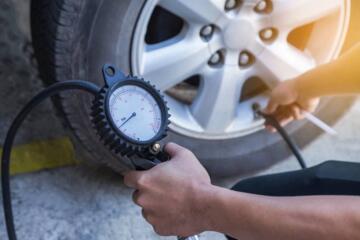
Check tire tread depth and look for uneven wear before the first snow. Use a gauge and measure at multiple spots; inner-edge wear often points to alignment or over/under-inflation. Set pressures to the door-jamb sticker for cold temperatures, then recheck after a few days.
In practice, a compact like a Honda Civic or Toyota Corolla benefits from winter tires because the front axle loads the most during braking. A heavier SUV such as a Ford Explorer or Subaru Outback can wear tires faster due to higher curb weight and frequent stop-and-go.
Tools help. A tire tread gauge costs little, and a digital tire inflator makes it easier to hit the exact PSI. If you use a TPMS app, remember it reads pressure, not tread.
Outcome target: replace tires when tread is near 4/32 in if you see frequent snow, because braking distances rise quickly as tread blocks thin. Many drivers wait too long and then notice the difference only on slushy intersections.
Battery health and charging
Test the battery with a load tester or a shop diagnostic. Many batteries that pass a simple voltage check still fail under load, especially after cold-soak. If your car uses a smart charging system, the alternator may behave differently than older designs.
For example, a 12V battery in a 2.5L four-cylinder sedan might show 12.6V at rest, yet drop below the cranking threshold when the starter draws current. That’s why load testing matters more than reading a multimeter.
Tools: a Midtronics-style tester at a parts store or a shop scan tool can show state of health. If the battery is more than 4–5 years old, plan for replacement before winter rather than after a no-start.
Skip the repeated jump-start cycle. It can overheat cables and stress the charging system, and it rarely fixes a battery that has already lost capacity.
Fluids, viscosity, and coolant
Verify engine oil viscosity matches the temperature range in the owner’s manual. In many climates, switching from a higher-viscosity oil to a winter-rated grade improves cold cranking and reduces starter strain. Check coolant concentration with a refractometer, not just by color.
Coolant should protect against freezing and corrosion. A 50/50 mix often targets about -34°F freeze protection, but the exact number depends on the product and local climate. If the coolant is low, top it with the correct premix or concentrate per the manual.
Tools: a $20–$40 refractometer and a turkey-baster for small top-offs work better than guessing. If you see frequent coolant loss, inspect for leaks before winter, because a low system can overheat in traffic.
Ownership cost note: coolant leaks can become expensive when they contaminate belts or trigger sensor faults. Repair frequency rises when drivers keep topping up without finding the source.
Wipers, lights, and visibility
Replace wiper blades if they streak or chatter. Winter blades often have a rubber compound designed for ice and salt exposure, and they keep contact pressure when the air is cold. Clean the windshield and check the washer nozzles for clogging.
Use winter washer fluid rated for your lowest forecast temperature. A common failure is using “summer” fluid that freezes in the reservoir, which then blocks the pump and leaves you with no spray during a snowstorm.
Lights matter for safety and inspections. Test headlights, high beams, fog lights, and brake lights, then inspect for moisture inside housings. If you drive a vehicle with LED headlamps, a failed module can be costly, so catching a loose connector early saves money.
Real-world example: a 2018–2022 crossover with automatic headlight leveling can throw a warning if a sensor is iced over. Cleaning the sensor area before the first storm reduces repeat trips to the dealer.
Brakes, ABS, and parking
Inspect brake pads and rotors for thickness and scoring. Cold weather doesn’t create brake problems by itself, but salt accelerates corrosion on rotors and can cause vibration if pads are worn. If you hear grinding, schedule service before snow makes access harder.
Check brake fluid level and condition. Brake fluid absorbs moisture over time, and cold temperatures can worsen pedal feel when moisture raises boiling risk. A shop can measure moisture content with a tester.
Parking habits also matter. If your car has an electronic parking brake, avoid repeated full stops with the brake held while the vehicle is wet and cold. For manual handbrakes, dry the brakes by driving a short distance after parking when safe.
Skip the “I’ll just scrape it later” plan. Ice on rotors can stick pads, and repeated attempts can overheat components.
Heating, defrost, and cabin
Test defrost and heater output on a cold morning. A weak airflow problem can come from a clogged cabin filter, a failing blower motor, or a thermostat issue. Replace the cabin air filter if it’s dirty; it affects both defrost speed and odor control.
Cabin practicality matters for families. If you use child seats, confirm you can access the seat anchors and that the door seals don’t trap snow and meltwater. A cold cabin can make seatbelt buckles stiff, so keep them free of ice and snow.
Road-trip comfort is also a winter factor. Check that the steering wheel and seat heaters work, and verify that the defrost clears side windows quickly. If your vehicle has a heat pump, note that it may behave differently at very low temperatures.
Outcome target: defrost should clear a typical windshield in minutes, not half an hour. If it takes longer, the issue is usually airflow, coolant temperature regulation, or a clogged filter.
EV charging limits and range
Cold weather reduces EV range because battery efficiency drops and cabin heating draws power. Many EVs also limit charging speed until the battery warms, so a “fast charger” may deliver less than its peak rate on the first session of the day.
Battery preconditioning helps. If your EV supports scheduled departure or preconditioning, set it so the battery warms before you arrive at the charger. That often improves both charge acceptance and cabin heat without draining the battery at the start.
Charging limitation detail: if the battery is near freezing, some EVs throttle charging current to protect the pack. The exact behavior varies by model and firmware, so check the vehicle’s charging screen for real-time kW.
Range estimate example: an EV rated around 250 miles on the EPA cycle can drop to roughly 150–200 miles in winter conditions, depending on temperature, speed, and heater use. Those numbers are not universal, but the direction is consistent.
Emergency kit and traction tools
Build a kit that matches your commute length. Include a flashlight, reflective triangle, gloves, a scraper, and a small first-aid kit. Add a tire pressure gauge and a way to inflate tires if you don’t have a compressor.
Traction tools depend on local rules. In many areas, snow chains are allowed for certain vehicles and road types, while studded tires have separate regulations. Check the tire size on your sidewall and confirm chain compatibility before you buy.
For towing, verify the vehicle’s towing capacity and payload limits in the owner’s manual. A 2,000 lb towing rating on a midsize crossover can be far less than what people assume, and winter cargo adds weight quickly with salt bags, blankets, and extra fuel.
Skip the “one blanket covers it” approach. Wet snow and wind chill can drop cabin temperature fast, and a dry layer matters more than extra bulk.
Mini case examples
A regional fleet running 40 vehicles in a northern climate tracked winter roadside calls over two seasons. The company replaced batteries on a 4-year schedule and added battery load tests at 36 months. After the change, no-start calls dropped from 9 per 1,000 vehicle-months to 3 per 1,000 vehicle-months, and tow costs fell by roughly $12,000 across the season.
Another case involved a delivery company with 18 vans using winter tires. They found that drivers were setting tire pressure based on warm readings after midday stops. After switching to cold-pressure checks each morning and adding a tire gauge in every van, they reduced uneven wear complaints and replaced tires about 8–12% later, which lowered tire spend despite the winter tire cost.
Costs vary by region and labor rates, but the pattern is consistent: battery health and tire pressure habits drive many winter failures more than “brand” does.
Winter checklist and table
| Item | What to check | Target | When |
|---|---|---|---|
| Tires | Tread depth, uneven wear, cold PSI | Winter tires: aim 6/32 in+ | Before first snow |
| Battery | Load test, age, corrosion | Replace if weak under load | 36–48 months |
| Oil & coolant | Viscosity, concentration | Match manual grade; freeze protection | 2–4 weeks pre-freeze |
| Wipers & fluid | Blade streaks, nozzle flow | Washer fluid rated for forecast | First cold week |
| Brakes | Pad thickness, fluid condition | No grinding; fluid within spec | Before salt season |
| EV charging | Preconditioning, kW limits | Warm pack for faster charge | Every winter trip |
Common mistakes and fixes
Buying winter tires too late is common. People wait until snow falls, then pay higher prices and accept limited appointment slots. The impact is fewer choices and rushed installation, which can lead to wrong tire sizes or missed balancing. Avoid it by measuring tread now and scheduling mounting when temperatures are still mild.
Another mistake is using the wrong washer fluid mix. It happens because labels can be confusing, and some “all-season” products still freeze below their stated range. The impact is a frozen reservoir and no spray during a storm. Avoid it by matching the fluid rating to your forecast low and testing the pump on a dry day.
Skip the “top off coolant with anything” approach. It happens when people rely on color matching, which varies by chemistry. The impact can be corrosion or gel formation in the cooling system. Avoid it by using the coolant type listed in the manual or by having a shop confirm compatibility.
People also ignore battery age. It happens because voltage at rest looks fine, and the car starts on mild mornings. The impact is a no-start when temperatures drop and the starter draws peak current. Avoid it by load testing and replacing batteries that show weak capacity under load.
Finally, drivers sometimes assume EV range ratings apply in winter. It happens because the EPA cycle uses moderate conditions, not the cold-soaked reality of heater use and lower battery efficiency. The impact is arriving at a charger with less buffer than planned. Avoid it by adding a winter buffer to your route and watching the charging screen for real-time kW.
FAQ
When should I switch to winter tires?
Switch when temperatures regularly drop below about 45°F, because winter tire compounds stay flexible in colder air. If you wait for the first snowfall, you often lose appointment availability and may end up with less ideal tire choices. Measure tread depth now and look for uneven wear, since bald inner edges reduce traction even with new tires. For vehicles like a Subaru Outback or a Ford Explorer, winter tires can matter more because weight and tire loading change braking behavior on wet slush.
What battery test matters most?
A load test matters more than a resting voltage reading. Resting voltage can look normal while the battery fails under the high current draw of a cold start. Ask for a test that simulates cranking load and reports state of health, not just “passes/doesn’t pass.” If your car has frequent short trips, plan to test earlier because the alternator may not fully recharge after each start. If you see corrosion on terminals, clean it before testing, since it can skew results.
How do I choose the right oil grade?
Use the viscosity grade listed in your owner’s manual for your temperature range. Many manuals specify a winter-grade like 0W-20, 0W-30, or 5W-30 depending on climate. The goal is cold cranking performance and oil flow, not just fuel economy. If you drive a 3.5L V6 or a 5.3L V8 truck, cold starts can draw more current, so matching the manual grade reduces strain on the starter and battery. If you’re unsure, confirm with the VIN at a parts counter.
Do I need coolant service before winter?
Check coolant concentration and condition. Color alone is not a reliable indicator because different manufacturers use different chemistries. A refractometer reading gives a better freeze-protection estimate than guessing. If coolant is low or you see residue around hoses, address leaks before cold weather increases system pressure. For owners in salt-heavy regions, corrosion protection matters because winter road salt accelerates metal wear inside the cooling system.
How much EV range drops in winter?
Range drops vary by temperature, speed, tire pressure, and heater use. A common real-world pattern is a reduction of roughly 20–40% compared with EPA-rated range, with larger drops at colder temperatures and higher highway speeds. Charging can also slow down until the battery warms, so start charging with a warm pack when possible. Use scheduled departure or preconditioning if your EV supports it, and watch the charger’s live kW output. Plan routes with a buffer so you’re not relying on the last 10–15% of charge.
Author's Insight
Winter failures cluster around a few systems: traction, starting power, and visibility. Tires and batteries degrade quietly, then fail when cold-soak raises electrical and mechanical demands. I’ve seen the same pattern in shop workflows: load tests and cold-pressure checks catch problems earlier than “it seems fine” inspections.
For EVs, the winter plan is different because charging speed and range depend on battery temperature. Preconditioning and route buffers reduce the chance of arriving at a charger with throttled charge rates. If you track kW during charging, you’ll learn how your specific vehicle behaves in your local temperatures.
When a warning light appears before a storm, treat it as a data point, not a nuisance. A scan can reveal sensor faults that later become hard-to-diagnose in snow and salt.
Key takeaways
Start with tires, battery health, and visibility because those systems drive most winter safety outcomes. Set cold tire pressure to the door-jamb spec, measure tread depth, and replace wipers and washer fluid rated for your forecast low. Test the battery under load if it’s older than about 4–5 years or if you take short trips.
Next steps: confirm oil viscosity and coolant concentration with a refractometer, then test defrost and lights on a cold morning. For EVs, use preconditioning and plan extra route buffer since range and charging speed change with battery temperature.
Limits: winter prep can’t remove all risk, especially with icy black-ice roads and sudden storms. If you notice repeated no-starts, brake warning lights, coolant loss, or defrost that fails to clear windows, schedule professional diagnosis before driving in heavy weather.