What is Maintenance Schedules
A car's maintenance schedule is a timeline set by the manufacturer, listing tasks that keep the vehicle running smoothly. These tasks include oil changes, brake checks, fluid replacements, and more. For example, Toyota recommends changing oil every 10,000 miles or 12 months for many models. The schedule appears in your owner's manual or a booklet, often as tables with mileage or time intervals. These schedules rely on extensive testing to time upkeep so systems last. Understanding these intervals can reduce breakdowns and prolong engine life.
Many schedules specify mileage and time because some parts degrade with time, not use. Transmission fluid may require replacement every 60,000 miles, yet some drivers hit time limits first. Don't guess—follow what the manual lists.
Common Issues
Drivers often neglect or misread maintenance schedules leading to expensive repairs. Either people skip intervals thinking they save money or get overwhelmed by jargon and jargon-packed tables. Ignoring a timing belt replacement scheduled at 90,000 miles, for instance, risks engine failure costing thousands to repair.
Another confusion arises between owner's schedules and mechanic recommendations — not all are aligned. Mechanics sometimes push early service to increase revenue, while owners avoid service intervals out of cost concerns. This gap often results in over- or under-servicing.
Moreover, some drivers mix mileage with elapsed time. If you rarely drive, oils and fluids still break down yearly. Neglecting the time side can accelerate wear despite low mileage.
Specific Tips for Car Care
Locate the Official Schedule
Consult your owner's manual. Most recent vehicles have digital versions online; Subaru's 2023 models include interactive maintenance guides on their site. Having the right manual version matters: a 2018 schedule won't fit a 2021 update. Use the exact schedule for your vehicle code.
Focus on Major Intervals
Start with key milestones: 5,000, 15,000, 30,000, 60,000 miles. These typically mark oil, air filter, brake fluid, and timing belt changes. These aren't minor checkups but designed to prevent serious issues. Oil change every 5,000-7,500 miles remains a common baseline even if manuals say longer.
Watch Oil Types and Volume
Your schedule advises specific oil viscosity and quantity—for example, 5W-30 synthetic, 4.5 quarts. Using cheaper or wrong grades reduces engine efficiency and life. One lazy mistake: topping oil but ignoring full change intervals.
Track Fluids More Closely
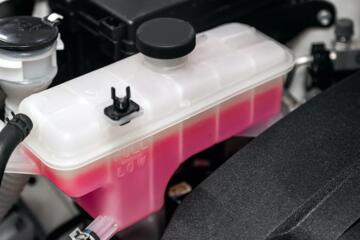
Transmission, brake, coolant, and power steering fluids have varied service lives. Transmission fluid typically needs changing every 30,000-60,000 miles. Don't rely on color alone—fluids can appear clear but lose properties. Official schedules reveal exact intervals and quantities.
Use Digital Tools
Mobile apps like myCARFAX or Dealer maintenance apps can log services and provide reminders based on your inputs. They also predict shift in upcoming maintenance if you track mileage on a calendar. These tools cut human error when you might forget dates or mileage.
Consider Driving Conditions
Hard driving - frequent stops, extreme heat, towing - shortens maintenance intervals. Some manuals separate normal from severe service schedules. Ignoring the severe clause risks faster wear and voids warranties.
Note Warranty Service Needs
Some maintenance must happen at authorized dealers to keep warranties intact, even if it costs more. Delays or inexpensive third-party servicing might void warranty rights on drive-train or electronics. Confirm with your dealer for clarity.
Keep Records Organized
Store receipts and notes. Organized records support resale value, help diagnose problems, and maintain warranty coverage. Apps or a small binder are both effective systems.
Inspect Physically When Possible
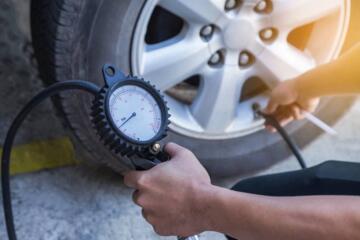
Review tires, brakes, belts between scheduled services. Some problems occur ahead of schedule; waiting for the manual cue sometimes feels careless.
Examples in Practice
A local fleet of seven Ford F-150 trucks ignored scheduled transmission fluid changes due to confusion between Ford’s 2017 and 2020 schedules. After two trucks stalled with transmissions overheated, they implemented an exact service interval adherence process, reducing failures by 75% in one year.
A family sedan owner, driving a 2014 Honda Accord 30,000 miles per year, saved $400 annually by switching from mechanic-suggested early 3,000-mile oil changes to the manual’s 7,500-mile synthetic oil intervals. This did not sacrifice performance or warranty status.
Checklist for Reading Schedules
| Step | Action | Why | Outcome |
|---|---|---|---|
| 1 | Find Model Year Manual | Matches exact schedule | Accurate tasks, avoids guesswork |
| 2 | Mark Key Mileage Dates | Focuses limited time and budget | Prevents major breakdowns |
| 3 | Follow Oil and Fluid Specs | Maintains engine and transmission | Extends service life |
| 4 | Check Time Limits, Not Just Miles | Parts degrade over time | Prevents hidden failures |
| 5 | Use Apps for Reminders | Cuts forgetfulness | Less missed jobs |
| 6 | Record All Services | Proof for resale & warranty | Supports claims & value |
Frequent Errors Made
Ignoring or delaying services causes wear that snowballs. Some skip the timing belt change because the cost seems steep—then spend thousands fixing the engine when it snaps.
Mixing OEM recommendations with aftermarket mechanic advice causes conflicting signals. Some mechanics suggest earlier service intervals to upsell; clients get confused. Try not to mix sources without clarity.
Another error: depending solely on dashboard alerts or oil life monitors. These indicators help but don’t replace scheduled checks for brakes, suspension, and cooling systems.
Reusing worn parts to save money leads to faster deterioration. For example, reusing old air filters risks clogged systems that factory manuals say must be replaced after 15,000 miles.
Finally, neglecting climate effect hurts: In cold areas, battery and antifreeze maintenance intervals shorten but are often ignored.
FAQ
Where is the maintenance schedule found?
It’s in your vehicle's owner's manual, often in a dedicated section. Many brands like Honda, Ford, and BMW also provide digital versions on their websites.
Can I extend service intervals with synthetic oil?
Synthetic oils last longer, and some manufacturers allow longer intervals with them. Check your manual, as not all vehicles qualify for extended intervals.
What if I mostly drive short trips?
Short trips cause more engine wear with incomplete warm-up. Your schedule likely has a ""severe"" service option with shortened intervals you should follow.
How to track mileage accurately?
Use your odometer regularly and record trips manually or via apps like Fuelly. This avoids missed services due to inaccurate mileage estimates.
Is dealer service mandatory?
For warranty validity, some manufacturers require dealer servicing or authorized workshops. Check warranty terms before choosing independent shops.
Author's Insight
In my years as a mechanic, I've seen countless engines ruined by ignored schedules. I once saved a client $2,000 by insisting on a timely water pump change at 60,000 miles, a job their prior shop overlooked.
Use your manual as a roadmap, but observe your vehicle’s condition daily. Not every symptom waits for a schedule tick.
Minor frustration? Some manuals bury key tasks in jargon or fine print, which, frankly, most people skip. I recommend keeping a simple maintenance planner or app handy to stay ahead.
Summary
Your car uses its maintenance schedule to keep running without expensive surprises. Find and follow the exact schedule for your model year and vehicle code. Note major service intervals and adapt them for driving conditions. Use apps to track mileage and reminders. Avoid mixing advice without checking your OEM recommendations. Keep records for resale or warranty claims. A few attentive steps prevent costly repairs and extend vehicle life.