Visibility depends on blades
Wiper blades are a visibility system, not a cosmetic part. A worn blade can leave a film that reduces contrast even when the glass looks “clean.” In heavy rain, that matters because the driver needs clear lane edges and brake-light shapes at distance.
Blade quality shows up in measurable ways. A typical passenger-car windshield wiper sweep covers roughly 0.5–0.8 m² per pass, and the blade edge must maintain contact across that area. Many OEM wiper sets are designed for about 12–24 months of service, but that window shrinks with sun exposure and winter salt.
Vehicle type changes the load on the wiper system. A compact car with a shorter wiper arm travel and a flatter glass angle can behave differently than a tall SUV with longer blade travel and more wind-driven spray. A pickup used for towing often sees more road grit, which accelerates edge wear.
Windshield wipers also interact with the wiper motor and linkage. If the blade edge loses even a small amount of tension, the wipe pattern develops gaps, and those gaps become streaks. That is why a “cheap blade” can look fine on day one, then degrade quickly after a few rainstorms.
What goes wrong with cheap blades
People often buy wipers by price or by “fits my model,” then ignore how the blade actually contacts the glass. The most common failure mode is uneven pressure along the blade length, which creates dry lines and wet smears. Another frequent issue is poor rubber formulation that hardens faster under UV and heat cycles.
Streaking is not just annoying. It changes how the eye reads contrast, especially at night when headlights scatter in the remaining water film. In the U.S., the National Highway Traffic Safety Administration has reported that rain contributes to a large share of weather-related crashes, and reduced visibility is a recurring factor in those events.
Snow and ice add a different kind of damage. When blades are forced across frozen glass, the rubber edge can tear microscopically, then smear the next thaw. Salt and sand from winter roads act like abrasive paste, so the blade edge wears faster than the rubber looks.
There is also a financial side. A set of low-cost blades might be replaced twice as often, and the windshield may need more frequent cleaning with stronger solvents. If the wiper arms develop chatter, the linkage bushings can wear too, which costs more than a blade swap.
Pick blades with real-world fit
Match the blade type to the arm
Choose the blade style your vehicle uses: beam, hybrid, or conventional. Beam blades usually maintain contact better on curved glass because the internal structure supports the rubber edge along its length. In practice, you should see a consistent wipe line from the driver’s side to the passenger side after the first few sweeps.
Check the arm geometry before buying. Some vehicles use a specific hook or bayonet connector, and a “universal” adapter can leave the blade slightly mis-seated. That mis-seating shows up as a skip near the outer end of the blade, which is easy to miss until the next storm.
Use the vehicle’s wiper spec from the owner’s manual or the manufacturer’s fit guide. For example, a 2019–2022 Honda CR-V and a 2021 Toyota RAV4 often use different lengths front-to-front, so buying by “same size” can cause uneven coverage.
Inspect the rubber edge for wear
Look for nicks, cracking, or a shiny “glazed” strip on the rubber edge. If the edge looks smooth and uniform but still streaks, the rubber may have lost its wiping compound or tension. Replace blades when streaks appear after a few minutes of wiping, not after the blade has fully failed.
Aftermarket blades should include a molded edge profile that matches the glass curvature. If the rubber is too soft, it can chatter on dry glass; if it is too hard, it can skate and leave a film. Either condition increases driver effort because you end up wiping more often.
For winter use, prioritize rubber that resists hardening. A set that stays flexible at low temperatures wipes more evenly when the first snow hits, and it reduces the chance of edge tearing during de-icing.
Use the right install technique
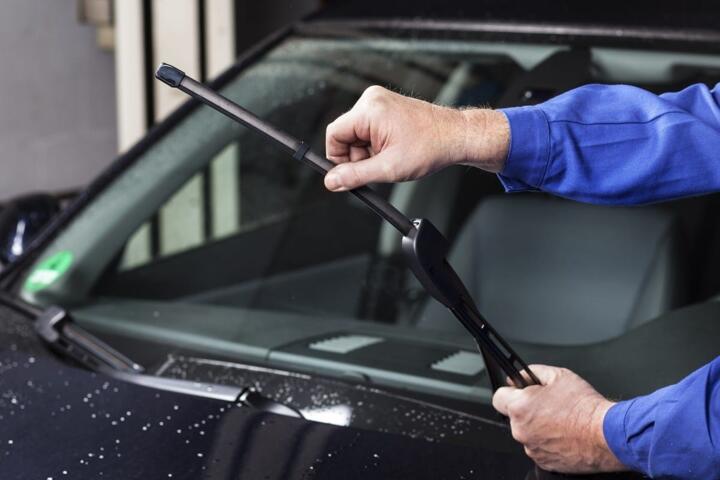
Install with the wiper arm in the service position if your car allows it. Many people lift the arm onto the windshield, then forget that the glass can chip if the arm snaps down. A careful install also prevents the blade from twisting on the connector.
After installation, test on low speed with water from a spray bottle. You should see a continuous wipe band without dry streaks at the edges. If you notice a gap, remove the blade and re-seat it; forcing it “to fit” often makes the gap worse.
On some vehicles, like a 2020 Ford F-150 with longer wiper travel, the blade can sit slightly off-center if the arm is bent. That bend can come from prior service, and it shows up as a persistent smear on one side.
Clean the windshield before judging blades
Streaks can come from glass contamination, not blade rubber. Rain-repellent coatings, hard water spots, and leftover wax can create a hydrophobic film that makes the blade drag. Clean the windshield with a dedicated glass cleaner and a microfiber towel before concluding the blades are bad.
Use a method that removes residue, not just smears it around. If you wipe the glass with a dirty towel, you embed grit, and the new blades wear faster. A quick aside from shop practice: I’ve seen “new blades” blamed for streaks that were actually on the glass from a recent ceramic coating application.
After cleaning, re-test. If the wipe pattern improves, the blades were fine and the contamination was the real issue. If streaks remain, the blade edge is likely worn or mis-seated.
Replace in pairs and track mileage
Replace both front blades at the same time. Uneven wear between left and right blades creates a different wipe pattern, which the driver notices as asymmetry in lane visibility. Pair replacement also reduces the chance that one blade edge is already hardened while the other still wipes well.
Track replacement by season and mileage. Many fleets replace wipers on a schedule tied to weather exposure, often around 10,000–15,000 miles for heavy winter routes, then extend in mild climates. If your commute includes frequent highway rain, plan earlier replacement.
For example, a 2.0L turbocharged compact used for commuting may see more frequent high-speed rain exposure than a 3.5L V6 SUV used mostly for short trips. That difference changes how quickly the blade edge gets abraded by road spray.
Don’t ignore washer fluid and spray quality
Washer fluid matters because it changes how water sheets on the glass. Low-quality fluid can leave residue that increases streaking, and clogged nozzles can spray too low, missing the wipe zone. If the nozzles spray above the blade path, the blade smears a dry film instead of clearing water.
Check nozzle aim with the hood open. A simple test is to spray while watching the stream hit the windshield; it should land near the center of the wipe arc. If you see overspray onto the hood or A-pillar, adjust the nozzles or have them serviced.
In cold climates, use winter-rated washer fluid. It reduces freezing in the lines, and it helps the blade clear slush rather than pushing it around.
Consider warranty and expected service life
Quality blades often come with a limited warranty, but coverage varies by brand and region. Before buying, check whether the warranty covers streaking or only manufacturing defects. A blade that wears out early from abrasive roads may not qualify as a defect.
Expected service life is a range, not a promise. Sun exposure, parking under direct heat, and winter de-icing habits can cut life dramatically. If you park outside and use the wipers to clear light ice, plan for shorter intervals.
Some OEMs specify replacement at 12 months for certain climates, while others leave it to inspection. Your best indicator is wipe quality: streaks, chatter, and skipping are the signals that the edge is no longer doing its job.
Mini cases from real fleets
A regional delivery company ran a 24-vehicle fleet of compact vans on routes with frequent rain and road salt. They saw complaints about streaking and increased windshield cleaning time. The fleet replaced low-cost blades every 6–8 months, then switched to higher-tension beam blades and added a windshield cleaning step during routine service.
After the change, blade replacement moved to about 10–12 months on the same routes. Cleaning time dropped because the new blades cleared water film more consistently, and drivers reported fewer “wipe-and-rewipe” moments during night rain. The company also reduced repeat complaints, which lowered the time spent on ad-hoc service visits.
Another case involved a small contractor using a 3/4-ton pickup for dusty job sites. The original blades lasted roughly one winter season because sand accelerated edge wear. They added a habit: rinse the windshield after dusty drives and avoid running the wipers dry on grit.
With that change and a blade set designed for harsher conditions, the blades lasted about 18–20 months. The contractor still replaced the blades before the next winter, but they avoided the mid-season chatter that had been damaging the wiper linkage.
Wiper blade checklist
| Check | What to look for | Why it matters | Action |
|---|---|---|---|
| Wipe pattern | Dry streaks, gaps, or chatter | Uneven contact reduces contrast | Replace blades in pairs |
| Rubber edge | Cracks, nicks, glazing | Edge loses wiping compound | Inspect and replace early |
| Washer spray | Low aim or weak flow | Blade smears residue instead of clearing | Clean nozzles, adjust aim |
| Windshield contamination | Water spots, coating residue | Looks like blade failure | Clean glass, then re-test |
| Install fit | Blade sits crooked | Mis-seating creates persistent streaks | Re-seat or use correct connector |
Common mistakes and fixes
Buying by “same year, same size” causes trouble. Wiper lengths can differ left to right, and some vehicles use different blade types front and rear. Measure the blade length or use the VIN-based fit guide.
Letting blades run dry on grit is another frequent mistake. Dust and sand act like abrasive paper, and the edge wears before the rubber looks old. Rinse the windshield after dusty drives, then wipe with the washer.
Ignoring washer nozzle aim leads to repeated streaks. If the spray hits below the wipe arc, the blade drags a dry film and leaves a haze. Adjust the nozzles and confirm the spray lands where the blade passes.
Skipping glass cleaning is costly in time. If you replace blades on a windshield with hard-water spots, the new rubber still smears residue. Clean the glass first, then judge the wipe pattern.
Using de-icer incorrectly can damage blades. Scraping ice with a blade or forcing wipers across frozen glass tears the rubber edge. Clear ice from the glass surface first, then start the wipers.
FAQ
How often should I replace wiper blades?
Most passenger vehicles see wiper replacement somewhere around 12–24 months, but the real trigger is wipe quality. Replace sooner if you notice streaking after a few minutes, skipping at the outer ends, or chatter on dry glass. Winter climates often shorten life because salt and sand abrade the rubber edge. If you park outside under strong sun, UV hardening also reduces service life. Track your last replacement date and check the blades at the start of each rainy season.
Do beam blades last longer than conventional?
Beam blades often maintain more consistent pressure across the blade length, which can reduce streaking on curved windshields. Conventional blades can work well too, but their frame and pivot points can wear or lose tension. Longevity depends more on rubber formulation, installation fit, and your climate than on the blade style alone. If your current blades chatter or leave dry lines, switching style can help, but cleaning the windshield and confirming correct connector seating matters just as much.
Why do my new blades streak right away?
Streaking right after installation usually comes from one of three issues: mis-seating on the connector, windshield contamination, or washer spray problems. If the blade sits crooked, the wipe gap appears immediately. If the windshield has water spots, wax residue, or leftover rain-repellent, the blade drags a film even when the rubber is new. If the washer nozzles spray too low or too far to one side, the blade smears instead of clearing. Clean the glass, then test with water before buying another set.
Can I reuse wiper blades after winter?
You can reuse them if the rubber edge still wipes cleanly and the blade does not chatter or skip. Winter often causes microscopic edge damage from ice and abrasive salt, so a blade that “sort of works” may fail during the next heavy rain. Inspect the rubber for cracks or nicks and check for a consistent wipe band across the full sweep. If you see dry streaks or a persistent haze, replace the blades rather than waiting for total failure.
What’s the safest way to clear ice from wipers?
Clear ice from the windshield surface first, then free the wipers without forcing them across frozen glass. Avoid scraping the rubber edge with tools, and avoid running the wipers while they are stuck. Use a proper de-icer on the glass and let it work for a few minutes. If the wiper arm is frozen to the glass, lift it only after the ice loosens. If the blades tear or smear after thawing, replace them before the next storm.
Author's Insight
Wiper performance is a contact problem: the rubber edge must maintain pressure and follow the glass curvature across the full sweep. Cheap blades often lose tension sooner, and that shows up as gaps that the driver reads as streaks. Glass contamination can mimic blade failure, so cleaning and nozzle checks prevent unnecessary replacements.
In fleet settings, the biggest wins usually come from pairing blade quality with a simple process: clean the glass, confirm nozzle aim, and replace blades in pairs on a weather-based schedule. That approach reduces repeat complaints and avoids linkage wear from chatter. If you see streaks after a new install, the fastest path is to re-seat the blade and test with water on a clean windshield.
Key takeaways
Quality wiper blades improve wipe consistency, reduce streaking, and cut the chance you’ll need extra wiping during rain or snow. The best next step is to inspect the rubber edge and wipe pattern on a clean windshield, then replace blades in pairs with the correct connector and lengths.
Expect service life around 12–24 months, but winter salt, UV exposure, and dry-grit wiping can shorten it. If streaks persist after correct installation and glass cleaning, check washer nozzle aim and wiper linkage condition.
Seek professional help if the wipers chatter after replacement, the arms move unevenly, or the motor struggles at normal speeds. Those symptoms can point to linkage wear or motor issues, not just blade rubber.