Why new tests matter
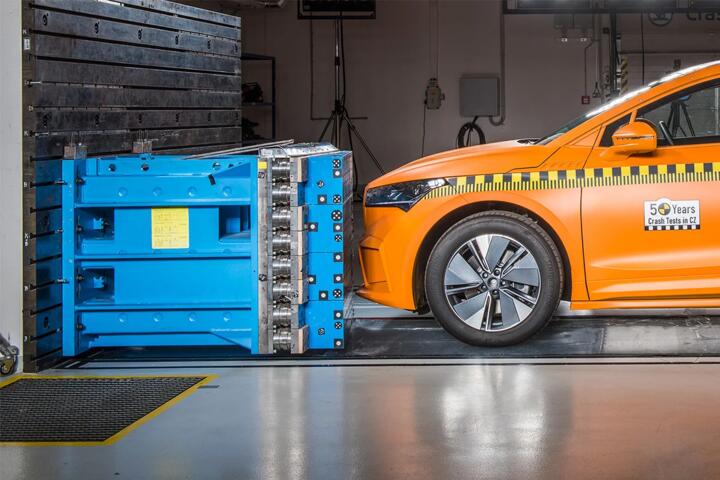
Crash ratings used to focus on a narrow set of impacts. Newer programs add more scenarios, including offset frontal crashes and side impacts that better match what shows up in real traffic. In the U.S., the Insurance Institute for Highway Safety (IIHS) rates vehicles with multiple tests, including a small-overlap front test and a side test that uses a moving barrier. In Europe, Euro NCAP has also expanded coverage with more demanding protocols over time.
Vehicle type changes the outcome. A tall SUV can hit a lower car’s bumper and structure differently than a sedan does, even at the same speed. A pickup’s front-end height and frame stiffness also affect how forces distribute into the cabin. That’s why buyers who compare only one rating number can miss the scenario where their vehicle is weaker.
Real-world data supports the shift. The U.S. Federal Highway Administration reports that about 6,000,000 police-reported crashes happen each year, and a large share involve intersection turns, lane changes, or single-vehicle loss of control. Many of those events produce partial overlap, not full-width impacts. The newer tests try to reproduce that partial overlap with repeatable geometry.
Skip the single-score trap. It hides the scenario.
For example, IIHS “Small overlap front” tests use a 40% overlap at about 40 mph (64 km/h) with a specific barrier setup. That setup stresses head and chest protection differently than a full-width crash. If a vehicle earns a weaker result there, the risk is not theoretical; it shows up in how the restraint system manages head excursion and how the front structure controls intrusion.
Also watch for rear-seat coverage. Many newer programs include rear occupant protection and whiplash-related measures, because rear impacts are common in stop-and-go traffic. A family car can score well for front occupants yet still show weaker rear protection in certain protocols.
What buyers get wrong
People often treat crash tests like a single “pass/fail” event. Ratings are scenario-based, so a vehicle can do well in one impact type and struggle in another. That mismatch becomes obvious when you compare vehicles with different front-end designs, bumper heights, and restraint calibration strategies.
Another mistake is assuming the test speed matches every real crash. A 40 mph test does not mean every real crash is 40 mph, but it does mean the structure and restraints are evaluated under a repeatable energy level. In real crashes, speed varies, and so does overlap, yaw angle, and occupant position at impact.
Consequences show up in repair bills and downtime. After a side impact, replacing a door structure, airbags, and curtain airbags can be expensive, especially if parts are backordered. Insurance claims often reflect the cost to restore the vehicle to pre-crash structural integrity, not just cosmetic repair. If a newer test reveals weak side structure, the same structural area is more likely to be damaged in similar real-world events.
Skip the “it’s fine” assumption. It ignores overlap.
Real-world situations are messy. A parking-lot impact can involve a low-speed overlap into a pillar, while a highway crash can involve a glancing blow that rotates the vehicle. Newer tests try to cover those glancing and partial-overlap dynamics, but buyers still need to read the scenario notes rather than the headline rating.
Ownership costs matter too. Vehicles with more advanced restraint systems, additional sensors, and complex airbag deployments can carry higher parts and labor costs. That doesn’t automatically mean “avoid,” but it does mean you should check insurance quotes and local body-shop experience before committing.
How to use new ratings
Read the scenario notes
What to do: open the rating report and look for the exact test names tied to frontal small overlap, moderate overlap, and side impact. Why it works: scenario wording maps to specific injury mechanisms like head excursion and chest compression. What it looks like: a vehicle may earn a strong overall score while showing a weaker result in one named test. Tools: use the IIHS or Euro NCAP report pages and compare the same test categories across models. Outcome target: pick vehicles that score well in the scenarios that match your commute pattern, such as intersection turns and lane changes.
Skip the headline-only view. It hides the weak test.
Match your vehicle height
What to do: compare bumper and hood geometry between the vehicles you cross-shop. Why it works: vehicle-to-vehicle interaction changes how forces enter the structure, especially in offset impacts. What it looks like: a crossover with a higher front end can engage a sedan’s bumper differently than a minivan does. Tools: measure ground clearance and compare published bumper heights when available, then read how the vehicle performs in overlap tests. Outcome target: prioritize strong results in small overlap and side tests if you drive in mixed traffic with sedans and compact cars.
Vehicle height changes the contact.
Check rear-seat protection
What to do: verify rear occupant scores and child-seat related notes in the rating summary. Why it works: rear impacts and occupant positioning affect head and neck injury risk, and restraint geometry matters. What it looks like: some vehicles show strong front results but weaker rear measures. Tools: check child-seat compatibility guidance from the manufacturer and confirm ISOFIX/LATCH anchor locations. Outcome target: choose a vehicle where rear curtain airbags and head restraints are rated well, then test-fit your child seat in person.
Rear scores affect family risk.
Use restraint timing clues
What to do: look for notes about airbag and seatbelt performance in the report, not just the final rating. Why it works: restraint systems manage occupant motion during the first tens of milliseconds after impact. What it looks like: a vehicle can reduce head injury metrics while still showing issues in chest or pelvis measures. Tools: use the report’s injury metric categories and compare them across trims, since restraint calibration can vary. Outcome target: avoid models where the report flags marginal performance in the most relevant occupant position for your seating layout.
Restraints act in milliseconds.
Plan for repair reality
What to do: ask your insurer or body shop about typical repair parts for the crash areas highlighted by the tests. Why it works: a rating can reflect occupant protection, but your cost depends on what gets replaced when airbags deploy. What it looks like: side curtain deployment often triggers door trim, sensors, and sometimes structural components. Tools: check parts availability lead times in your region and review warranty coverage for airbag and seatbelt components. Outcome target: confirm that the repair network can source parts quickly, especially for less common trims.
Skip the “cosmetic only” mindset.
Compare trims, not just models
What to do: compare the exact trim level and option package used in the test, since safety equipment can differ. Why it works: airbags, seatbelt pretensioners, and sensor suites can change with packages. What it looks like: a base trim may lack certain curtain airbags or have different seatbelt anchor designs. Tools: verify equipment lists and check whether the rating applies to the tested configuration. Outcome target: buy the trim that matches the rated configuration, or budget for the missing safety equipment.
Trim differences change crash protection.
Account for EV and battery repairs
What to do: for EVs and plug-in hybrids, review how the rating program treats underbody and side impacts, then ask about battery repair procedures. Why it works: battery packs and high-voltage components can affect repair complexity after structural damage. What it looks like: a side impact that damages rocker panels may trigger HV system checks and longer diagnostic time. Tools: check manufacturer guidance on high-voltage service and confirm warranty coverage terms for the battery and restraint systems. Outcome target: choose vehicles with clear service procedures and strong dealer support in your area.
EV repairs can take longer.
Use driving aids as a filter
What to do: treat crash tests as the last line, then use driver-assistance features to reduce the chance of certain crash types. Why it works: automatic emergency braking and lane support can reduce rear-end and lane-change collisions when conditions match. What it looks like: a vehicle with good AEB performance can reduce the frequency of impacts that resemble rear-end scenarios. Tools: check independent AEB evaluations and verify the system’s behavior with your typical speeds and road types. Outcome target: pair strong crash ratings with driver-assistance that works in your commute conditions, including rain and night visibility.
Skip the “crash rating fixes driving” idea.
Mini case examples
Fleet operator → side-impact claims → what they did → result. A regional delivery company replaced a fleet of older midsize sedans with newer vehicles that scored higher in side and rear occupant tests. They tracked claims for 24 months after the switch, using internal claim codes and repair invoices. Average claim severity dropped by about 12% for side-related incidents, while total claim frequency stayed similar. The operator attributed the change to fewer severe intrusion repairs and faster restoration of door and curtain-airbag systems, though they noted that driver training and route changes also played a role.
Skip the single-variable story. Claims depend on routes.
Family buyer → child-seat fit issues → what they did → result. A family shopping for a compact SUV found that one model’s rear seatbelt geometry made their forward-facing child seat sit too upright. They switched to a configuration with better rear head restraint positioning and confirmed ISOFIX anchor alignment during a test fit. Over the next 18 months, they reported fewer “reinstall” trips and less time adjusting harness slack during routine use. The crash rating stayed strong in rear-seat protection categories, but the practical win came from compatibility and daily setup time.
Fit problems cost time every week.
Checklist for shoppers
| What to check | Why it matters | What “good” looks like | Next step |
|---|---|---|---|
| Small overlap front | Partial overlap matches many real crashes | Strong head/chest protection metrics | Compare the same test across trims |
| Side impact | Door and curtain protection affects injury risk | Good torso and head protection | Ask body shop about typical repairs |
| Rear occupant | Rear impacts are common in traffic | Strong rear head restraint and curtain coverage | Test-fit your child seat |
| Warranty terms | Restraint and battery coverage affects cost risk | Clear coverage for airbags and battery | Confirm service intervals and labor coverage |
| Insurance quote | Repair complexity affects premiums | Lower premium than similar alternatives | Quote before you sign |
Common mistakes to avoid
Mistake: comparing only the overall rating number. Why it happens: the headline score is easier to remember. Impact: you can buy a vehicle that performs poorly in the scenario you’re most likely to experience. How to avoid it: read the scenario breakdown and match it to your commute pattern, including intersection turns and lane changes.
Skip the memory test. Use the report.
Mistake: ignoring trim and option differences. Why it happens: buyers assume safety equipment is identical across the lineup. Impact: airbags, sensors, and restraint calibration can change, shifting results. How to avoid it: confirm the exact equipment list for the tested configuration and verify it on the window sticker.
Trim mismatches cost you protection.
Mistake: assuming child-seat compatibility is automatic. Why it happens: ISOFIX/LATCH labels look universal. Impact: seatbelt routing and head restraint geometry can still make installation awkward. How to avoid it: bring your child seat to the dealership and check recline angle, anchor alignment, and whether the seat can be tightened without twisting.
Fit issues show up at install time.
Mistake: treating EV battery coverage as the only cost factor. Why it happens: headlines focus on range and charging. Impact: crash repairs can involve HV diagnostics, sensors, and structural components, which affects labor time. How to avoid it: ask about warranty coverage for restraint systems and confirm local service capacity for high-voltage repairs.
Range is separate from repair complexity.
FAQ
Do new crash tests change ratings?
Yes. Rating programs evolve by adding scenarios and refining test procedures, so a model can score differently than it did under older protocols. The change usually comes from better matching of real crash geometry, such as small overlap frontal impacts and more demanding side evaluations. When you compare vehicles, compare the same test program and the same model year. If a vehicle is listed under an older protocol, the safest approach is to treat it as a different measurement set rather than a direct apples-to-apples comparison.
Why do small overlap tests matter?
Small overlap tests stress partial engagement of the front structure, which is common when two vehicles meet at an angle or when one vehicle’s front end hits only part of the other’s width. That geometry changes how the steering column, dashboard, and restraint systems manage occupant motion. A vehicle can do well in full-width tests yet show weaker head or chest protection in small overlap. For buyers, the practical step is to prioritize vehicles with strong results in the named overlap tests that match your typical driving environment.
How should I interpret side impact results?
Side impact performance depends on door structure, seat design, and curtain airbag deployment timing. Injury risk often relates to torso and head protection, plus how much intrusion occurs into the occupant space. In real crashes, side impacts include both perpendicular hits and glancing blows, so the test scenario matters. For shopping, look for consistent performance across side categories and check whether the report mentions rear curtain coverage. Then consider repair reality: side curtain deployment can trigger multiple components that affect downtime and cost.
Do rear-seat scores affect adults?
They can. Rear-seat ratings often focus on head and neck protection, and the restraint system geometry still matters for adult occupants. Even if you rarely ride in the back, rear-seat performance affects child-seat safety because head restraint position and anchor placement influence installation. Some vehicles show strong front protection but weaker rear measures, which becomes relevant in family use. Practical next step: verify rear head restraint adjustability, check ISOFIX/LATCH positions, and confirm that your child seat can be installed tightly without interfering with the seatback.
What should EV buyers check beyond range?
EV buyers should check crash-related coverage and service capability. Battery packs and high-voltage components can increase diagnostic time after structural damage, even when the vehicle still drives. Look for warranty terms covering the battery and restraint systems, and confirm that local dealers can service high-voltage systems. Also review how the vehicle’s structure is described in crash test scenarios, especially for side impacts that can involve rocker panels. Range estimates like 250–350 miles (depending on model and conditions) do not predict repair complexity after a crash.
Author's Insight
Crash test programs are moving toward scenarios that better match partial overlap, side interaction, and occupant motion timing. The practical value for buyers is not the overall score; it’s the scenario breakdown that points to where the vehicle’s structure and restraints perform under stress. When I see a vehicle with strong small overlap and side results, it usually means the front-end load paths and door/curtain systems are tuned to manage intrusion and head excursion. The next step is to match those scenarios to your commute and then check trim equipment and repair network realities.
Skip the “one number” habit. Use the scenario map.
Key takeaways
New crash tests reflect real roads by adding scenarios that mirror partial overlap and side interactions, then tying results to occupant protection metrics. Use the scenario notes, match vehicle height and seating layout to your driving, and compare the same test program across trims. After you shortlist models, get an insurance quote and ask a body shop about typical repair parts for side and curtain-airbag deployments. If you’re shopping for a child-seat setup, test-fit the seat in the vehicle rather than relying on anchor labels.
Next step: pick 2–3 vehicles, read the named tests, and confirm the exact trim equipment on the window sticker. If you’re unsure about child-seat compatibility or restraint behavior, consult a certified child passenger safety technician and follow the seat manufacturer’s installation instructions. If you’ve been in a crash, seek medical advice for any injury symptoms even when the vehicle looks drivable, and have the vehicle inspected for structural and restraint system damage before reuse.