Heat pumps in EVs: the basics
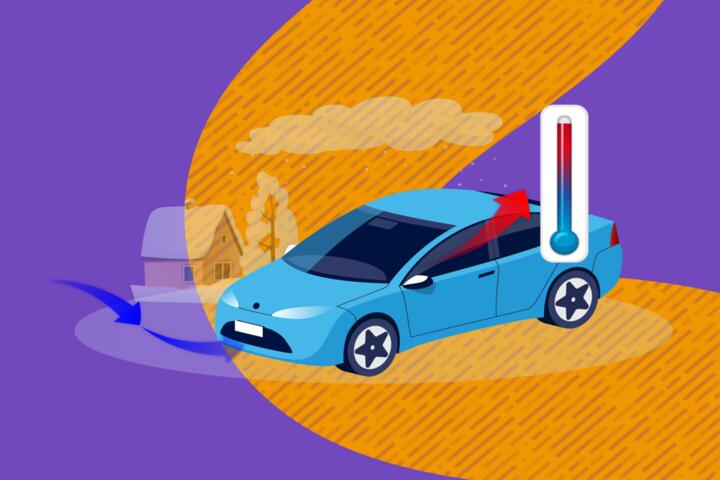
Heat pumps are becoming standard because they cut the energy used for cabin heating when temperatures drop. In many EVs, resistance heaters turn electrical energy into heat directly, which is simple but inefficient in cold weather. A heat pump can move heat from outside air or from the battery drive system, then deliver it to the cabin and sometimes the battery loop. That difference shows up as better winter range and lower energy draw during steady driving.
Cold-weather testing often uses 0°C and −7°C conditions, where resistance heating draws noticeably more power. Industry data from the U.S. EPA’s EV efficiency testing shows that winter range can fall sharply, and heat pumps are one of the design changes that helps recover some of that loss. For example, a heat pump-equipped EV may use far less energy for cabin heat than a comparable resistance-heated setup at similar speeds, though exact gains vary by model and control software.
Vehicle type changes the outcome. A compact crossover with a smaller cabin volume can benefit differently than a larger SUV with more glass area and higher heat loss. A long-range sedan with active battery thermal management may already keep the pack warm enough that cabin heating dominates energy use. A work van that runs short trips and frequent defrost cycles can see different results than a highway commuter.
Range is the headline. The mechanism is the real story.
What buyers get wrong in winter
Many buyers assume “EV range” drops the same way every winter, then blame the battery alone. Cabin heating and windshield defrost are often the biggest controllable energy consumers, especially when the car starts cold and the windows need clearing. If the car uses a resistance heater, the power draw can spike during defrost, then stay elevated while the cabin reaches set temperature.
Another misunderstanding is that heat pumps always win. When outside air is extremely cold, the heat pump may need defrost cycles or supplemental heating, and the control system may blend sources. That blending can reduce the advantage, and it can feel like “the car suddenly got worse” on a cold morning. Some cars also prioritize battery warming first, which can delay cabin heat until the pack reaches a target temperature.
Financial consequences show up in charging frequency. If a winter commute adds 20–40% energy use, the driver may need one extra charge per week, depending on home charging access and electricity rates. That can add hundreds of dollars per year for high-mileage drivers, even if the vehicle’s summer range looks strong. Ownership costs also shift because winter tires, alignment checks after potholes, and brake wear from colder driving patterns can stack on top of energy costs.
Skip the assumption. Measure your own routine.
How to shop for heat pumps
Check the climate rating
Look for explicit cold-weather performance notes in the vehicle’s documentation and energy guide. The reason is simple: heat pumps can lose efficiency as outside air temperature drops, and many systems add supplemental heating below certain thresholds. In practice, you’ll see this during windshield clearing, where power draw can jump even on heat-pump-equipped cars. A practical tool is the vehicle’s energy/consumption screen, then compare “energy used for heating” across a few mornings.
At −7°C, expect more draw.
Compare winter range numbers
Use published range estimates that reflect cold conditions when available, not only the standard range figure. The reason is that EPA and manufacturer testing cycles differ, and a heat pump’s benefit depends on how the test cycle uses cabin heat and defrost. In practice, two EVs with the same battery size can show different winter efficiency because one manages thermal loads more aggressively. If the listing only shows one range number, ask for the energy consumption data or look for third-party test results that include temperature and speed.
Range claims need temperature context.
Watch for defrost behavior
Defrost is where heat-pump systems often show their limits. The reason is that clearing ice and fog requires rapid heat delivery, and the control system may temporarily rely on higher-output heating sources. In practice, you can test this by timing how long it takes to clear the front windshield at a fixed outside temperature, then watching the instantaneous power draw. A mild frustration is common here: the car may heat the cabin slowly until the pack warms, even if the defrost fan is on.
Time the windshield clearing.
Use preconditioning wisely
Preconditioning changes the energy math. The reason is that warming the cabin and battery while plugged in shifts energy use from the battery to the grid, which protects driving range. In practice, you’ll see better range on the first 10–20 miles after departure when the car starts warm. Many EVs support scheduled departure; on some models, the feature is labeled “departure timer” or “preconditioning,” and the exact behavior can vary by software version.
Plug in before you preheat.
Verify battery thermal strategy
Heat pumps can be tied into the battery thermal loop, but not every design uses the same architecture. The reason is that some systems prioritize battery warming through coolant routing and may use the heat pump only for cabin heat. In practice, you can observe whether the battery warms quickly by checking the battery temperature display if the car offers it, or by watching how quickly cabin heat becomes strong. If the car delays cabin heat until the pack is warm, the driver experience can feel worse even if overall efficiency improves later.
Battery warm-up affects cabin comfort.
Plan charging around cold limits
Cold weather reduces charging speed because lithium-ion cells accept less current when the pack is too cold. The reason is that charging power is limited by battery temperature and cell safety constraints, not by the charger alone. In practice, a heat pump can help by warming the battery before a fast-charge session, but the effect depends on whether the car supports “preconditioning for charging.” A practical method is to compare fast-charge session times at the same charger and state of charge across two days with different ambient temperatures.
Fast charging slows when the pack is cold.
Factor in warranty and service access
Heat pumps add complexity: refrigerant circuits, valves, and control logic. The reason is that more components can mean more expensive repairs if a leak or actuator fails, even if failure rates are not publicly consistent across all models. In practice, you’ll want to confirm the EV’s warranty coverage for HVAC and refrigerant systems, and check whether the dealer network can service that system quickly. If you’re buying a used EV, ask for service records and confirm the HVAC refrigerant service history where applicable.
Ask about HVAC warranty coverage.
Budget for winter tires and alignment
Heat pumps don’t fix winter traction losses. The reason is that tire compound and tread design dominate grip, and EV weight distribution can change wear patterns. In practice, a driver may need winter tires and more frequent tire rotation, especially if the car uses strong regenerative braking that changes how weight transfers during deceleration. Ownership costs can rise even if heating energy drops, so compare total winter spend, not just kWh per mile.
Heating savings don’t cover tire costs.
Mini case studies: fleet and commuter
A small delivery company in the Midwest replaced two aging EVs with new heat-pump-equipped models for a 60-mile daily route. The problem was winter defrost and cabin heating driving up charging frequency; drivers reported needing top-ups more often during January cold snaps. The company used scheduled departure and preconditioning while vehicles were plugged at the depot, then tracked charging sessions for 8 weeks. Result: the average number of public fast-charge stops dropped from about 3 per week per vehicle to about 1–2, and total charging time fell enough to keep route coverage without adding vehicles.
Another example is a single-driver commuter who drives 35 miles each way in a cold climate. The problem was that the first 15 miles after leaving home used far more energy than summer, even with moderate cabin settings. The driver switched to preconditioning on a departure timer and reduced the cabin setpoint by 2–3°C, then monitored energy consumption in the vehicle’s app. Result: the winter energy per mile improved enough to keep the same “charge-to-charge” schedule, though the improvement faded on the coldest nights when supplemental heating ran more often.
Both cases depended on habits, not just hardware.
Heat pump checklist for buyers
| What to check | Why it matters | How to verify | What “good” looks like |
|---|---|---|---|
| Cold-weather range data | Shows heating impact at low temps | Look for 0°C/−7°C figures or energy guides | Smaller winter drop vs similar battery size |
| Defrost power behavior | Defrost can spike energy use | Test at a dealership in cool conditions if possible | Faster clearing without extreme power draw |
| Charging preconditioning | Improves fast-charge acceptance | Confirm menu option for “for charging” | Less time lost to cold battery limits |
| HVAC warranty terms | Heat pump repairs can be costly | Read warranty for refrigerant circuit coverage | Clear coverage duration and labor terms |
| Energy screen details | Helps you tune cabin settings | Check for “heating” or “climate” breakdown | Actionable kWh attribution |
Write down your commute temps. Then compare.
Common mistakes and fixes
Buying for heat pump hardware only causes disappointment. It happens because the car’s thermal control strategy and your cabin settings drive real energy use, and those vary by software. The impact is a winter range you still can’t predict, so you end up charging more often than planned. Avoid it by tracking kWh per mile for 2–3 weeks in your own weather, then adjust setpoint and defrost habits.
Skip the “set it and forget it” mindset. Your climate won’t cooperate.
Another mistake is relying on preconditioning without plugging in. It happens because preconditioning can draw from the battery when the car isn’t connected, which defeats the range benefit. The impact is a lower state of charge when you start driving, especially on short trips where the warmed cabin doesn’t last long. Avoid it by using scheduled departure while connected, then confirm the car shows “preconditioning active” before you leave.
Preconditioning works best with grid power.
Some buyers ignore charging preconditioning. It happens because the menu wording differs across models, and the option may be hidden under charging settings. The impact is slower fast-charge sessions on cold mornings, which can add 15–30 minutes depending on battery temperature and charger power. Avoid it by testing one fast-charge stop on a cold day and checking whether the car warmed the pack before charging began.
Fast-charge time is your real metric.
Finally, people overestimate towing and payload effects on heating. It happens because towing increases aerodynamic drag and rolling resistance, which raises total energy demand and can mask HVAC savings. The impact is that the car’s battery may run down faster even if cabin heating is efficient. Avoid it by planning towing trips with a conservative energy budget and checking the vehicle’s towing capacity and payload limits in the owner’s manual.
HVAC efficiency can’t beat physics.
FAQ
Do heat pumps improve range at 0°C?
They often do, because cabin heating is one of the largest energy loads in cold weather. At around 0°C, resistance heating can draw enough power to noticeably reduce miles per kWh, especially when the car starts cold and the windows need defrost. Heat pumps can reduce that draw by moving heat rather than generating it from electricity. The size of the gain depends on how the car blends heat sources and how quickly it warms the battery loop. Track your own kWh per mile for a few weeks to confirm the benefit for your commute.
What happens to heat pumps below −10°C?
Many systems still operate, but efficiency drops as outside air temperature falls and the heat pump may need defrost cycles. The control system may add supplemental heating, so the energy draw can rise even in a heat-pump-equipped EV. Cabin heat may also feel slower at first if the car prioritizes battery warming. The practical test is to observe instantaneous power during windshield clearing and note how long it takes to reach your preferred cabin temperature. If the car provides battery temperature or climate energy breakdown, use that data to judge how often supplemental heat kicks in.
Can a heat pump reduce charging time?
It can indirectly by warming the battery before a fast-charge session, which helps the pack accept higher current. Charging speed is limited by battery temperature and cell safety limits, so a cold pack forces the charger to taper power. Some EVs support “preconditioning for charging,” which warms the battery while you’re still plugged in or while navigating to a charger. If that feature is available, it can reduce the time lost to cold-soak limits. If it isn’t, you may still see slower charging on very cold days.
Do heat pumps require more maintenance?
They add components like refrigerant circuits and valves, so repairs can be more expensive than a simple resistance heater. Maintenance intervals for cabin filters and coolant loops still matter, but refrigerant service is typically not a routine “every year” item unless specified by the manufacturer. The practical risk is a refrigerant leak or actuator failure, which can take time to diagnose. Check the warranty coverage for HVAC and refrigerant-related parts, then confirm dealer service capability in your area. If you buy used, request service records and look for any HVAC fault history.
How should I set cabin temperature in winter?
Start with a realistic setpoint and watch the climate energy breakdown if the car offers it. Small changes matter because heating power demand rises quickly when the cabin is far from target temperature, and defrost can spike usage. If your commute is short, prioritize windshield clearing, then lower the setpoint slightly once the windows are clear. If you have preconditioning, use it while plugged in so the battery doesn’t pay for warm-up. For road trips, plan charging stops with extra buffer because winter energy use and cold charging limits stack together.
Author's Insight
Heat pumps reduce electrical energy used for cabin heating by transferring heat, but the benefit depends on control logic, outside temperature, and whether the car preconditions while connected. In real ownership, the biggest wins show up on the first part of the drive and during repeated defrost cycles, not during steady warm highway cruising. I’d treat heat pump-equipped EVs as a winter efficiency tool, not a guarantee of summer-like range. For buyers, the most actionable step is to compare your own kWh per mile in cold weather and verify that charging preconditioning exists in the settings.
Software updates can change thermal behavior, too, so note the version if your car shows it in the settings screen.
Key takeaways
Heat pumps can reduce winter energy use, especially around 0°C, by shifting cabin heating from resistance-only to heat transfer. The advantage shrinks below very low temperatures when supplemental heating and defrost cycles increase demand. Your real-world outcome depends on preconditioning habits, defrost use, and battery thermal strategy, not just the presence of a heat pump.
Next steps: confirm cold-weather range or energy data, verify charging preconditioning settings, then track kWh per mile for 2–3 weeks in your typical winter conditions. If you tow or carry heavy loads, budget extra energy because HVAC savings won’t offset higher drivetrain demand. If you notice repeated HVAC faults, refrigerant warnings, or unusual defrost behavior, schedule service promptly under warranty terms.
Seek professional help for refrigerant-related issues.