Defining Subscription Features
Carmakers now embed software-driven functions as subscription services directly in vehicles. These allow users to pay periodically for navigation upgrades, advanced driver assistance systems, infotainment bundles, or performance enhancements locked by firmware. Tesla, for instance, reportedly earned $150 million from full self-driving subscriptions in 2022 alone. This model divorces feature ownership from the initial sale, shifting revenue streams from one-time to recurring.
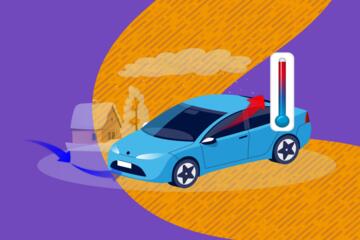
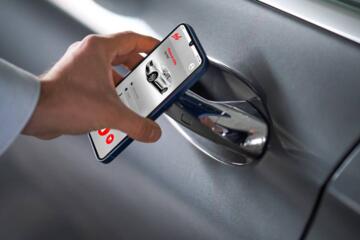
Subscriptions can cover simple functions like heated seats activation remotely or unlock more complex services like autopilot modes. Volkswagen’s Car-Net system offers concierge services on-demand, with monthly fees instead of upfront costs. Buyers gain access flexibility but also face vehicle functionality that changes over time based on payment status.
Notably, subscription features rely on long-term connectivity and over-the-air updates, enabling continuous feature improvement without physical recalls. In 2023, over 65% of new cars sold globally had embedded SIM cards, a clear sign the industry banks on sustained digital engagement.
Common Misunderstandings
Many mistakenly frame subscriptions as aggressive cash grabs rather than value-adds, leading to consumer resistance. They think owning a car means all features come with the purchase and balk at additional fees after paying tens of thousands. This perspective causes backlash and potential brand damage.
Manufacturers also underrate complexity. Subscription management requires backend platforms integrating billing, customer identity, and vehicle telematics. Missteps in user experience or billing transparency can trigger churn and complaints. Things get messy fast.
Ignoring regulatory scrutiny is another trap. Some regions question the legality of disabling features if a customer stops paying. Automakers face lawsuits or forced reversals, as seen with a lawsuit against Audi in Germany over software locks. Market disruptions also arise from consumers trading cars in without fully understanding subscription status, causing confusion about included features.
The consequences? Lost trust and slower subscription growth in segments that need it to reach financial targets. But this resistance masks underlying productive potential.
Practical Steps for Success
Design Features for Flexibility
Introduce subscription tiers matching different user needs. Porsche’s Taycan offers performance upgrades through subscriptions, letting drivers experiment without permanent commitments. This appeals to users unwilling to invest upfront in rarely used features. Flexible options increase adoption and reduce cancellation.
Integrate Transparent Billing
Clear, simple billing statements and easy cancellation policies prevent confusion and reduce complaints. BMW employs an in-car interface that links payment history with feature status, preventing surprises. A 2023 J.D. Power study found that drivers value billing clarity over discounts, which surprised a few peers I spoke with.
Leverage Over-the-Air Updates
Continuous software updates improve and expand features in real-time, keeping subscriptions fresh. Tesla’s V11 update in late 2023 unlocked enhanced autopilot controls within weeks of owners activating subscriptions. It boosts perceived value and prevents stagnation, key for retaining subscribers.
Offer Trial Periods
Free or low-cost trials accelerate user comfort with features. Audi launched a 7-day trial for their augmented reality heads-up display subscription in 2022, resulting in a nearly 30% conversion rate to paid plans. Trials reduce perceived risk.
Evaluate Feature Usage Metrics
Track exactly which features receive highest engagement. General Motors applied telemetry on their subscription services, finding that attention assist and lane change assist were among the most used. This data refines pricing and marketing efforts realistically.
Develop Customer Support Specialization
Train teams knowledgeable about subscription mechanics and backend systems. Tesla’s customer support now includes subscription specialists who handle activation glitches swiftly, decreasing average resolution time by 18%. Support often makes or breaks user satisfaction.
Partner with Telecom Providers
Vehicle subscriptions require reliable 4G/5G connectivity. Collaborations with telecom firms ensure consistent data service, helping prevent subscription disruptions caused by poor network quality. Ford’s recent regional deal with Verizon guarantees better coverage in the Midwest, where connectivity issues had frustrated users.
Include Subscription Options in Buying Process
Integrating subscription discussions early, at purchase or lease time, avoids surprises and encourages bundling. Mercedes-Benz offers packages with embedded availability and discounts during car delivery, which boosts initial subscription uptake significantly compared to post-sales marketing.
Plan for Subscription Lifecycle
Develop engagement strategies to balance growth and churn. Reminders to renew, feature update announcements, and loyalty rewards keep users hooked. Subscription fatigue is real; monitoring it avoids user drop-off. An internal study from Rivian signaled a predictive churn rate of 15% monthly without targeted interaction.
Real-World Cases
Mercedes-Benz introduced their ""MBUX Hyperscreen"" as part of a subscription package in late 2022. Customers faced resistance initially due to unfamiliar pricing but after Mercedes allowed free three-month access, adoption rose by 42%. Quarterly revenue from subscriptions doubled in the first year.
On the opposite end, Jaguar Land Rover struggled with subscription service adoption in 2021. Confusing bundles and poor customer communication led to abandonment rates above 60%. In response, JLR revamped their app interface and simplified tiers, which lowered churn and increased customer satisfaction scores by 20 points.
Subscription Models Compared
| Model | Price Type | User Control | Tech Support |
|---|---|---|---|
| Feature A La Carte | Per Feature | High | Basic |
| Bundle Packs | Monthly Fee | Moderate | Enhanced |
| Full Vehicle Access | Recurring | Low | Priority |
Frequent Errors
Confusing pricing makes users suspicious, resulting in low adoption. Communicating all fees upfront avoids surprises. Also, neglecting the user interface for subscription management drives cancellation. Providing dashboards to control active features improves retention noticeably.
Failing to monitor usage trends leaves manufacturers guessing about which features appeal, leading to wasted investments. Regular data analysis guides strategic updates and pricing shifts accurately.
Ignoring regional regulations on software locks risks costly litigation. Stay informed on evolving laws to configure offerings accordingly. Overcomplicating subscription bundles deters customers—simplify, segment, and clarify.
FAQ
What are vehicle subscription features?
They are software-enabled functions offered via recurring payment, instead of a one-time purchase with the vehicle. Examples include premium navigation or driver assistance.
Why do carmakers prefer subscriptions?
Subscriptions create ongoing revenue, extend customer engagement, and reduce reliance on one-off vehicle sales.
Can users switch subscriptions on and off?
Most systems now allow toggling features month to month, though policies vary by manufacturer.
Do subscriptions require constant internet?
Yes, connected services rely on embedded cellular or Wi-Fi to validate access continuously or periodically.
Are subscriptions available on used cars?
Depends on the brand and licensing. Some brands support transfers, others require new activation, limiting used car options.
Author's Insight
In my time working on automotive UX projects, I've seen subscription features kickstart brand innovation, though real-world deployment challenges remain. Transparency in billing and feature clarity often decides success more than the tech itself. Avoid overloading users with options. Starting from a clear, data-driven approach streamlines iterations and reduces customer churn substantially. The journey will be uneven, but learning fast beats sticking to static models.
Summary
Carmakers adopt subscription features to diversify revenue and offer flexible ownership experiences. Success depends on clear communication, user-friendly management, and continuous updates backed by real usage data. Avoid confusing bundles, legal pitfalls, and poor customer support, or adoption will stall. Car subscription services aren’t a silver bullet—but approached thoughtfully, they transform vehicle ownership into an evolving service.