Why Spares Disappear
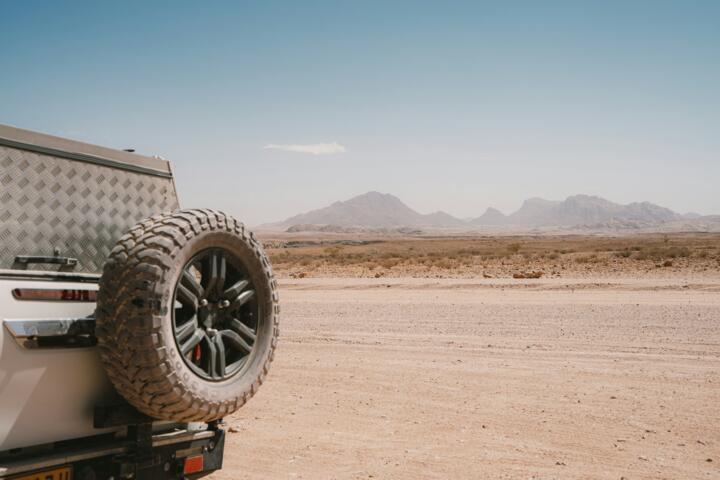
Many new cars no longer include a spare tire because the spare takes up space and adds weight. A compact spare also adds cost, and it often doesn’t match the tread width or speed rating of the main tires. In the U.S., the National Highway Traffic Safety Administration has long tracked tire-related crashes, and tire pressure loss is a common contributor to roadside incidents. In practice, vehicle type matters: sedans and crossovers often prioritize cargo volume, while trucks and off-road trims may keep spares more often.
Skip the spare kit. It sounds cheaper, but it changes your options when a tire fails. A tire-inflation kit typically uses a compressor plus sealant, and it works only for certain puncture sizes and locations. If the damage is on the sidewall or too large, the kit won’t restore safe drivability.
Fuel economy and packaging also push the decision. A full-size spare can weigh roughly 30–60 lb depending on tire size, and that mass affects vehicle range slightly over time. Some manufacturers also reduce underfloor storage complexity, which helps interior storage and cabin practicality. The result is a smaller “get home” plan, not a full replacement tire.
Real-world usage shows the trade. A flat on a highway shoulder at night is stressful, and a kit can still leave you stranded if the tire can’t be sealed. A spare changes the math because you can swap tires and drive to a shop at normal speeds, assuming the spare matches the vehicle’s requirements.
What Buyers Get Wrong
People assume “no spare” means “no fix.” That assumption breaks down when the puncture is outside the kit’s limits. Sealant can clog sensors and valves, and it can make later tire replacement messier at the shop. The kit also doesn’t solve a blowout, a bent wheel, or a tire with tread separation.
Skip the confidence. It fades fast when the compressor overheats. Many kits are designed for short inflation bursts, then rest periods, and the tire may still lose pressure after sealing. If you drive too far on a sealed tire, the sealant can fail and the tire can deflate again.
Another misconception is that run-flat tires remove the need for a spare. Run-flats can let you continue for a limited distance at reduced speed, but they still require replacement after a puncture. That means you still need a tow or a shop visit, and the ride can feel harsher because the sidewall is stiffer. Some run-flat systems also have different wheel and tire requirements, which affects availability and cost.
Financial consequences show up later. A spare tire reduces the chance you need a tow after a puncture, and towing can easily run $100–$300 depending on distance and local rates. If you rely on a kit and the tire can’t be sealed, you may still pay for roadside service. Insurance may cover towing in some policies, but coverage varies by insurer and plan, and deductibles can apply.
Road-trip consequences are practical. A family traveling with a child seat needs predictable stops, and a sealed tire can force slower driving and more frequent pressure checks. If the sealed tire fails again, you lose time and you may end up waiting for a replacement tire shipment. That’s where “no spare” becomes more than a checkbox.
What to Do Before You Buy
Check the tire plan
Look for the exact wording in the owner’s manual: “spare tire,” “tire mobility kit,” or “run-flat.” This matters because a mobility kit and a run-flat system behave differently after a puncture. In practice, a mobility kit usually includes a compressor and sealant, and it targets tread punctures rather than sidewall damage. If the vehicle lists a “tire mobility kit,” budget time for a shop visit even if you can drive briefly.
Skip vague listings. They hide the limits. Ask the dealer to show the kit contents and the recommended maximum speed and distance after sealing, then read that section in the manual. Some manuals specify a short range like 50–100 miles, but the exact number varies by system and tire type.
Match your tire size
Confirm whether the vehicle uses a full-size spare, a compact spare, or no spare. Compact spares often have a different speed rating and tread width, and many require you to avoid highway speeds. If the car uses staggered wheel sizes, a spare may not be compatible with all positions. That’s a real issue on performance trims where front and rear tires differ.
Check the tire pressure monitoring system too. A sealed tire can trigger TPMS warnings, and the shop may need to reset or recalibrate sensors after replacement. If you plan to carry a portable inflator anyway, verify it can reach the vehicle’s specified pressure range, often around 32–40 psi depending on the model.
Plan for sidewall damage
Assume the kit won’t save a sidewall puncture. Sidewall damage can’t be sealed reliably because the tire’s structure is compromised, and driving on it can lead to rapid failure. In practice, you’ll need a tow or a wheel swap if you have a spare. This is where a spare tire changes outcomes most.
Keep a small “tow trigger” rule. If you see a bulge, cords, or a leak that won’t hold pressure after sealing, stop trying and call roadside assistance. That decision prevents secondary damage to the wheel and reduces the chance of a blowout on the next exit.
Carry the right tools
If the car lacks a spare, add a few items that match the vehicle’s limits. A quality 12V inflator with a gauge helps when the kit’s compressor is too slow or too small for your tire size. A tire pressure gauge that reads accurately within a couple psi helps because TPMS can lag behind real pressure. A headlamp matters more than people expect when you’re working after dark.
Skip the “one tool fits all” mindset. Some inflators top out at lower pressures, and some don’t handle high-volume tires well. If you buy an inflator, check its rated duty cycle and hose length so you can reach the valve without parking in traffic.
Know the shop cleanup
Sealant creates extra work at the tire shop. The tire may need full removal of residue, and the shop may refuse to repair a tire that has been sealed depending on the puncture location. That can raise replacement costs even if the kit got you off the shoulder. Ask the shop how they handle sealed tires before you rely on the kit for repeated incidents.
Also check warranty language. Some tire warranties exclude damage from sealant or from improper inflation. If you’re leasing, the lease return inspection can treat a damaged tire differently than a normal wear tire, and that affects end-of-lease costs.
Use roadside service smartly
Confirm what your roadside plan covers: tow distance, tire replacement reimbursement, and whether it covers “no spare” scenarios. Many plans cover towing, but they may not cover the cost of a new tire if you can’t repair it. If you have a mobility kit, the plan may still require you to drive to a shop within a limited time window. That’s where the manual’s speed and distance guidance becomes a safety boundary.
Skip the assumption that all roadside plans behave the same. Read the coverage terms for your specific vehicle and tire plan, then save the service number in your phone. I’ve seen people call for help after sealing a tire, only to learn the plan expects a tow when the tire can’t hold pressure.
Consider a spare retrofit
Some vehicles have aftermarket solutions, but compatibility is the main risk. A retrofit spare requires the correct jack, tools, and sometimes a different wheel well cover or floor panel. It also needs to match the vehicle’s lug pattern and clearance, and it must not interfere with crash structures or storage compartments. If you’re considering this, ask a local tire shop or dealer parts department for a parts list and fitment notes.
Skip “universal” kits. They often miss the wheel well geometry and the tool storage layout. If you retrofit, confirm the jack type and the lifting points in the manual, because a wrong jack setup can damage body panels.
Mini Case Examples
A regional delivery company ran a fleet of compact crossovers without spares, using tire mobility kits. They saw repeat incidents where sealed tires lost pressure after 10–20 miles, forcing a tow and a second visit to replace the tire. After switching to a policy of carrying a higher-output inflator plus a pressure gauge, and training drivers to stop at the first sign of pressure drop, they reduced tow calls by about 30% over a quarter. Tire replacement frequency stayed similar, but downtime dropped because fewer vehicles needed a second roadside response.
Another case involved a family sedan used for weekend trips. The owner relied on the kit once, then learned the sealed tire needed replacement and the shop charged extra for sealant cleanup. The next trip included a portable inflator, a spare-compatible wheel lock key stored with the glovebox paperwork, and a pre-trip check of tire pressures to reduce puncture risk. Over 12 months, they reported fewer emergency stops and less time spent waiting on tire shipments, even though the car still lacked a spare.
Checklist for Your Next Car
| What to check | If the car has a spare | If it has a mobility kit | If it has run-flats |
|---|---|---|---|
| Repair limits | Swap and drive to a shop | Tread punctures only; sidewall often fails | You still replace the tire after driving |
| Speed/distance rules | Follow spare speed rating | Follow manual limits after sealing | Follow reduced speed and distance guidance |
| Tools you need | Jack, wrench, spare access | Compressor, sealant, gloves, gauge | TPMS awareness, replacement plan |
| Cost risk | Lower tow likelihood | Possible tow if sealant fails | Higher tire cost and replacement frequency |
Common Mistakes and Fixes
Buying the car without reading the tire section in the manual is the first mistake. People learn the kit’s limits only after a flat, which turns a 20-minute job into a long roadside event. Avoid it by checking the manual before delivery day and saving the relevant page in your phone. If the manual lists a maximum speed like 50 mph, treat it as a hard boundary.
Assuming “sealant works every time” is the second mistake. Sealant can fail when the puncture is too large, when the tire is too cold, or when the leak is on the sidewall. Avoid it by checking pressure after sealing and watching for a pressure drop within minutes. If pressure drops quickly, stop driving and call for help.
Ignoring TPMS behavior is another common error. After sealing, TPMS may show warnings even if the tire holds pressure temporarily. Avoid it by understanding that TPMS is a sensor system, not a repair confirmation, and by rechecking with a gauge. If you have a child seat installed, keep the cabin calm and move everyone to a safe area before you work outside.
Skipping roadside coverage review is a practical mistake. Some plans cover towing but not tire replacement, and some have limits on where the vehicle can be towed. Avoid it by reading your policy terms and confirming the tow distance and tire reimbursement. If you drive a lot of highway miles, that gap matters more.
Overlooking wheel damage is a final mistake. A flat can bend a wheel, and a mobility kit won’t fix a bent rim. Avoid it by inspecting the wheel for cracks or wobble after you get to a shop. If the wheel is damaged, replacement cost can exceed the price of a spare tire.
FAQ
Do all cars without spares use sealant kits?
No. Some vehicles use a tire mobility kit with sealant and a compressor, while others use run-flat tires that let you drive briefly after a puncture. The difference matters because sealant is a repair attempt, while run-flats are a temporary mobility feature. Check the owner’s manual for the exact system name and the allowed speed and distance after a puncture. If the car lists a mobility kit, confirm whether it targets tread punctures and whether sidewall damage is excluded.
Can I drive far on a sealed tire?
Drive only within the limits stated in the owner’s manual for that specific kit. Many manuals specify a short distance and reduced speed, because sealant can fail as the tire heats up or as the puncture changes. After sealing, recheck tire pressure with a gauge and watch for a drop. If the tire loses pressure quickly, stop driving and call roadside assistance. A sealed tire also often needs replacement, so plan a shop visit soon.
Will a spare tire fit if my wheels are different sizes?
Not always. Some vehicles use staggered setups where front and rear tires differ in width or diameter, and a spare may not be compatible with every position. Even when a compact spare exists, it may have a different speed rating and tread profile. Check the tire size and wheel compatibility notes in the manual or on the tire placard. If the car uses run-flats, a spare retrofit may require specific parts and clearance checks.
Does skipping a spare raise insurance or towing costs?
It can, depending on your policy and how often you need roadside help. If a mobility kit fails, you may need a tow, and towing costs often range from $100 to $300 in many areas, with higher totals for longer distances. Some insurance plans cover towing, but deductibles and coverage limits vary. The spare itself doesn’t change the insurance formula directly, but it changes the likelihood of needing a tow after a puncture.
What should I carry if my car has no spare?
Carry a reliable tire pressure gauge and a 12V inflator that can reach your vehicle’s specified pressure. A headlamp helps when you’re working at night, and a small set of gloves keeps sealant off your hands. If your car uses a mobility kit, keep the kit’s instructions accessible and follow the manual’s steps. Also store the wheel lock key if your wheels use one, because shops and tire changes can stall without it.
Author's Insight
Dropping the spare is mostly a packaging and cost decision, then a safety and liability decision. A spare adds weight and volume, while a mobility kit reduces trunk space use and simplifies storage. The practical downside shows up when the puncture is on the sidewall or when the sealed tire won’t hold pressure after a short drive. The best buyer move is to treat the tire plan as part of the vehicle’s ownership cost, not as a minor convenience feature.
For example, a compact crossover with a mobility kit can still be a good road-trip car, but it shifts you toward pressure checks, inflator readiness, and faster shop follow-up. A vehicle with run-flats can reduce immediate roadside hassle, yet it often means higher tire replacement costs and a firmer ride feel. Read the manual limits and match your roadside plan before signing paperwork.
Final Thoughts
Some new cars drop the spare to gain space and reduce weight, but the repair path changes when a tire fails. A mobility kit can handle certain tread punctures, yet it often can’t fix sidewall damage, and it may still lead to replacement. Your next step is simple: verify the system type, read the speed and distance limits, and confirm roadside coverage terms. If you travel long distances with kids or rely on predictable stops, consider adding an inflator and gauge, and ask about spare retrofit feasibility for your exact trim.
Benefits are real: more cargo room and fewer parts to store. Limits are real too: higher odds of towing after certain failures, plus extra shop cleanup when sealant is used. If you experience repeated flats, wheel damage, or TPMS faults after sealing, schedule a tire inspection with a qualified shop rather than repeating the same workaround.