Why Ratings Changed
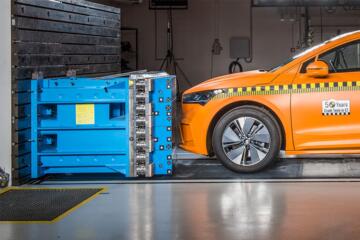
Safety ratings now reflect more than “did the car survive a crash.” They also score crash-avoidance behavior, pedestrian protection, and how well restraint systems work across different impact types. In the U.S., the National Highway Traffic Safety Administration (NHTSA) uses a 5-star overall rating plus sub-scores, while the Insurance Institute for Highway Safety (IIHS) grades vehicles with test-based labels such as “Top Safety Pick” and “Top Safety Pick+.” Those labels depend on specific test results, not a single number.
Skip the assumption that a higher star count always means better crash avoidance. They measure different things, and a vehicle can score well in one area while lagging in another. For example, IIHS “Top Safety Pick+” requires good or acceptable performance in multiple categories, including head restraints and front crash prevention. That requirement matters because many buyers shop by trim price, not by the safety equipment that changes between trims.
Vehicle type changes the math. A small crossover and a full-size pickup can face different crash partners, different front-end geometry, and different occupant packaging. That shows up in test outcomes and in how child-seat anchors fit in real cabins. The same rating system can also behave differently across body styles because the test setups target specific structures and restraint designs.
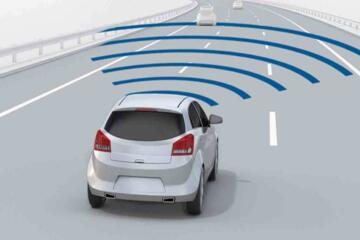
One more real-world constraint: driver-assistance systems are not uniform across markets. A model sold with a camera-only lane system in one region may get radar plus additional sensors elsewhere, and the rating can reflect the configuration tested. If you shop inventory, the VIN matters because option bundles change the sensor suite.
What Buyers Get Wrong
People often treat safety ratings like a single “pass/fail” score. They then compare two vehicles without checking which sub-tests drove the label. That mistake becomes expensive when the better-rated car also uses different restraint hardware, different airbag logic, or different crash-avoidance sensors.
Skip the idea that driver-assistance ratings translate directly to hands-free driving. They grade specific scenarios, and real traffic includes edge cases like glare, construction zones, and unusual lane markings. A system that performs well in a controlled test can still behave oddly when the camera view is partially blocked. That odd behavior can show up as late braking, weak lane centering, or repeated alerts that annoy drivers.
Consequences show up in insurance and repair costs. A vehicle with more advanced sensors can cost more to calibrate after windshield replacement, and calibration is often required for forward-collision systems. If you drive 15,000–20,000 miles per year, windshield damage frequency becomes a budget line, not a rare event. Repairs also depend on parts availability; some sensor modules have longer lead times than basic body panels.
Real-world situations are where the gaps appear. A family using a rear-facing child seat needs stable LATCH/ISOFIX geometry and enough seat cushion length. A rating may not capture how easily you can tighten a belt or how much the seatback reclines with a child seat installed. Another gap: towing. A vehicle rated for occupant protection can still have limits on payload and tongue weight that affect stability when you haul a trailer.
How to Shop the New Ratings
Match the rating to trim
Do this: compare the rating for the exact trim and option package. Ratings often depend on the presence of specific crash-avoidance features, like automatic emergency braking with pedestrian detection. Why it works: sensor suites and control software can change between trims even when the body shell stays the same. In practice, you’ll see different results for the same model name when a “base” trim lacks certain systems. Use the VIN on the listing and cross-check the equipment list before you trust a label.
Skip the “same model, same safety” shortcut. It rarely holds when the tested configuration includes features not bundled on lower trims.
Check pedestrian and head tests
Do this: read the sub-scores for head protection and pedestrian-related tests. Why it works: some vehicles score well for adult occupant protection but show weaker performance in head injury criteria or pedestrian impact zones. In practice, you’ll notice differences in how the hood and bumper are shaped, and how the front-end structure manages energy. Look for consistent “good” marks across categories rather than a single strong result. If you’re shopping a compact SUV, pay attention to the hood height and bumper geometry because those affect pedestrian contact points.
One practical aside: I’ve seen buyers ignore the hood/bumper discussion, then regret it after a near-miss with a child near a curb. The rating categories exist for a reason.
Verify crash-avoidance behavior
Do this: confirm the system includes forward collision warning and automatic emergency braking, then check whether it covers pedestrians and cyclists. Why it works: many “safety” packages advertise alerts, but the rating depends on braking performance in test scenarios. In practice, you can test the behavior during a short drive by watching for braking at low speeds and checking how the system reacts when you cut in front. Use the owner’s manual to find the settings menu; some cars let you change sensitivity, which affects real-world outcomes. If the car has a radar behind the grille, keep it clean in winter—mud and ice can reduce detection.
Skip the “it brakes for everything” expectation. The system’s coverage is scenario-specific, and the manual spells out limits.
Test child-seat fit before buying
Do this: install your actual child seat in the rear and check LATCH/ISOFIX reach and seatback angle. Why it works: ratings focus on crash performance, not on whether you can tighten the belt or anchor without fighting the seat. In practice, you’ll measure how much the seat moves at the belt path and whether the rear headrest blocks the child-seat shell. Use a tape measure for a quick sanity check: compare the rear seat depth and the distance from the seatback to the front seat. If you carry a booster, check whether the shoulder belt height sits near the child’s shoulder without slipping.
Leave a little time for this. Dealers move fast, and you’ll want a calm setup session.
Budget for sensor calibration
Do this: ask about windshield and sensor calibration costs before you sign. Why it works: forward-collision systems often require camera calibration after glass replacement, and the cost can vary by model and glass type. In practice, a windshield replacement can run hundreds of dollars more than a basic glass job when calibration is included. If you drive in areas with heavy road debris, factor in higher windshield risk. Check your insurance deductible and whether your policy covers calibration as part of glass claims.
Skip the “glass is just glass” mindset. Calibration is where the bill changes.
Compare ownership costs, not only scores
Do this: compare maintenance and repair frequency tied to the safety tech. Why it works: advanced driver-assistance systems depend on cameras, radar, and sometimes ultrasonic sensors, which can fail or require cleaning. In practice, you’ll see more frequent cleaning needs for camera lenses and more expensive diagnostic work when a warning light appears. Look at warranty coverage terms for electronics and sensors; some powertrain warranties do not extend to sensor modules. If you’re considering a used vehicle, check service records for calibration events and any windshield replacements.
One practical number: many insurers quote higher premiums for vehicles with advanced safety tech, but the direction varies by model and driver profile. Get a quote before you commit.
Don’t ignore towing and payload
Do this: verify payload, tongue weight, and towing capacity for your trailer, and match it to the vehicle’s braking and stability limits. Why it works: safety ratings cover occupant protection, but trailer dynamics affect stopping distance and stability. In practice, a vehicle with strong crash scores can still feel unsettled when loaded near its payload limit. Use the manufacturer’s max payload and subtract your real cargo and passengers. If you tow frequently, check brake controller compatibility and whether the vehicle supports trailer sway control.
Skip the “rated to tow” assumption. Ratings do not tell you how the car behaves at 60–70 mph with a loaded trailer.
Mini Cases: What Changed
Case 1: A regional delivery fleet replaced older sedans with a compact crossover that carried a higher safety label. The fleet’s problem was not only crash risk; it was downtime after minor impacts and windshield damage. They standardized trims with the same sensor suite and required OEM glass calibration. After 18 months and about 22,000 miles per vehicle, they reported fewer repeat visits for sensor-related warnings and reduced repair cycle time by roughly 1–2 days on average, though parts lead times still varied by season.
Skip the conclusion that ratings alone cut downtime. The fleet reduced variation by standardizing equipment, which made repairs predictable.
Case 2: A family shopping for a three-row SUV focused on overall stars, then discovered child-seat fit issues during a test install. They switched to a trim with a different rear seat cushion shape and a different headrest design, which improved booster belt routing. The result wasn’t a new crash score; it was fewer installation errors and less seat movement during a pull test. Over the next school year, they reported fewer “re-tighten” moments after quick stops, which matters because a loose seat can behave differently in a real crash. That outcome came from cabin geometry, not from marketing claims.
Checklist for Your Test
| What to check | What you’re looking for | How to verify fast | Why it affects safety |
|---|---|---|---|
| Trim match | Same crash-avoidance features as tested | Use VIN and equipment list | Sensors and software can change results |
| Head protection | Good marks in head restraint and crash tests | Read sub-scores, not only overall | Restraint geometry drives injury risk |
| Pedestrian coverage | AEB with pedestrian detection | Check feature list and settings | Braking performance varies by scenario |
| Child-seat fit | Stable install with your seat | Do a pull test and belt-path check | Cabin geometry affects restraint performance |
| Glass calibration | Known calibration steps after replacement | Ask body shop about calibration time/cost | Misalignment can reduce AEB accuracy |
| Towing limits | Payload and tongue weight match your trailer | Compute with real cargo/passengers | Stability depends on loading |
Common Mistakes and Fixes
Buying the cheaper trim because the model name has a good label. Why it happens: shoppers see the same badge on the website and assume it covers every configuration. Impact: you can lose pedestrian AEB or downgrade head restraint geometry. Avoid it by matching the exact trim and checking the feature list for forward collision warning, AEB, and lane support. If the listing doesn’t show it, ask for the window sticker or the build sheet.
Skipping the manual settings after purchase. Why it happens: people leave driver-assistance sensitivity at default, which can be too aggressive or too quiet. Impact: the system may brake late or issue frequent alerts, which leads to driver override. Avoid it by spending 10 minutes in the settings menu and testing in a low-traffic area. If the car has a camera version number in the service screen, note it for future calibration discussions.
Ignoring windshield risk and calibration costs. Why it happens: glass replacement feels like a routine claim. Impact: the car can lose sensor accuracy until calibration is completed, and downtime grows. Avoid it by confirming whether your insurance covers calibration and by using a shop that regularly works on that brand’s ADAS. If you drive 30 miles each way to work, you’ll see more debris strikes than the average commuter.
Overloading for towing because the brochure number looks high. Why it happens: buyers focus on maximum towing capacity and forget payload and tongue weight. Impact: stability control works harder, and braking distances increase. Avoid it by weighing the trailer and using the manufacturer’s payload and tongue weight limits. If you carry tools, subtract their weight before you decide the trailer size.
FAQ
Do new ratings change used-car value?
They can, but the effect depends on how the market interprets the label and whether the used listing matches the tested configuration. A used vehicle with a “Top Safety Pick+” label may hold value better if buyers can verify the same crash-avoidance features and sensor suite. If a listing omits a key package, the rating may not apply. For a practical check, compare the VIN’s option list to the rating’s required equipment. Also check insurance quotes for the exact trim; premiums sometimes shift even when the body style stays the same.
Are star ratings enough for families?
Star ratings help, but they do not cover child-seat installation quality. A family should check head restraint performance, rear seat geometry, and whether the vehicle supports the child seat type you use. Look for sub-scores tied to rear occupant protection and verify LATCH/ISOFIX anchor placement. During a test fit, check belt routing and whether the child seat contacts the front seatback or blocks the rear headrest. If you use a rear-facing seat, confirm there’s enough front-seat travel room for an adult passenger.
How do driver-assistance scores affect real crashes?
They affect risk reduction in the scenarios tested, not every situation on the road. Ratings typically evaluate automatic emergency braking and lane-related functions under controlled conditions. Real traffic adds glare, unusual lane markings, and pedestrians stepping unpredictably. A vehicle can score well yet still require driver attention and correct use of settings. To translate the rating, read the feature coverage in the owner’s manual and test the system’s behavior at low speeds. If the car repeatedly alerts in normal driving, you may end up disabling it.
Do EVs get different safety ratings?
EVs can score well, but the rating outcome depends on structure design, battery placement, and crash management, not on the powertrain alone. Battery location affects how the vehicle’s floor and underbody structures deform in a crash. Some EVs also have different repair procedures and parts availability, which can influence downtime after impacts. For buying, focus on the same rating categories as gas models: occupant protection, head restraints, and crash avoidance. Then add ownership checks like battery warranty terms and charging limitations for your route.
What should I ask a dealer about ADAS?
Ask for the exact ADAS equipment list tied to the VIN, including forward collision warning and automatic emergency braking coverage. Request confirmation of whether the car has radar and camera, and whether it includes pedestrian detection. Then ask about windshield replacement and calibration: which shop does it, how long it takes, and whether calibration is included in the quote. If you’re buying used, ask for service records showing any calibration after glass replacement. A short, specific question beats a general “is it safe” conversation.
Author's Insight
Safety ratings are moving toward tests that reflect how modern cars prevent crashes and protect occupants, but the labels still depend on the exact configuration tested. The biggest buying mistake is treating a model name as a complete safety package. In practice, trim-level equipment, sensor presence, and child-seat fit often decide whether the rating matches your real use. If you’re comparing two vehicles, verify the VIN’s options first, then test the cabin with your child seat and check glass calibration costs. That sequence turns a rating into a decision you can defend.
Key Takeaways
New safety ratings reward cars that perform across crash protection and crash avoidance categories, not just overall crash survival. The benefit shows up when the tested features match your trim, and when you can install child seats correctly. The limit is that ratings do not cover every road edge case, and driver-assistance behavior depends on settings, sensor cleanliness, and conditions.
Next steps: match the VIN to the tested configuration, read the sub-scores tied to head protection and crash prevention, and do a real child-seat install before you sign. Ask about windshield calibration and get an insurance quote for the exact trim. If you’re dealing with an existing vehicle that shows repeated ADAS warnings after a windshield repair, contact a qualified service center rather than resetting settings.