Alignment and tire wear
Alignment sets the angles that each tire presents to the road: camber, toe, and caster. Those angles control how the tread scrubs during turns and straight-line driving. A small toe error of 1/16 in can translate into noticeable tread loss over a year, especially on wide tires.
Real-world tire wear often shows up as feathering on the edges or a bald strip across one shoulder. The Tire Industry Association notes that improper alignment is a common cause of premature tire wear, and the U.S. Department of Energy ties rolling resistance and alignment-related drag to fuel economy losses. Vehicle type changes the baseline because suspension geometry, tire width, and weight distribution differ between a 2.0L compact sedan and a 3.5L pickup.
Skip the guesswork. Measure the angles and compare them to spec.
On many modern cars, the factory spec is tight because the suspension is designed for low rolling resistance and predictable steering feel. A lifted truck, a worn bushing set, or a bent wheel after a pothole can shift toe first. Toe affects straight-line wear faster than camber on most vehicles, which is why many drivers notice wear before the steering feels “wrong.”
Fuel economy can move when alignment increases tire scrub. The DOE has published that even small changes in rolling resistance can affect consumption, and toe-out tends to raise it. That matters on a 2.5L hybrid that targets around 40 mpg combined, or on a 3.0L diesel that may average 28–32 mpg highway depending on gearing and load.
What goes wrong in practice
People often blame tires for wear that starts with alignment. A tire can be “bad” only after it has been forced to work at the wrong contact patch angle. Toe misalignment is the usual culprit because it makes the tire fight itself every rotation.
Consequences show up in three places: tread life, steering behavior, and traction consistency. Uneven wear reduces the effective tread depth on one side, which can change how the tire evacuates water in rain. If the inside shoulder wears first, the tire may feel fine until the remaining tread pattern no longer matches the vehicle’s intended grip.
Real-world situations are predictable. After hitting a pothole, a curb strike, or replacing a control arm, alignment can drift within days. A fleet manager sees it too: vehicles that run mixed city routes and carry tools often hit impacts that bend wheels or shift bushings, then alignment slowly walks out of spec.
Financial impact is measurable. If a set of tires costs $800–$1,200 installed and alignment issues cut life by 20–40%, the “cheap” problem becomes a repeat purchase. That is common when toe stays off for months, because the tire keeps scrubbing even when the driver stops noticing the steering pull.
Skip the “it still drives straight” logic. Toe error can be present without obvious pull.
Fixing alignment with specifics
Start with the symptoms
Look for wear patterns that match alignment angles. Inside-edge wear often points to camber being off, while feathering across the tread blocks often points to toe. If the steering wheel is off-center by more than a few degrees, toe and caster can both be involved, and the shop should check the steering rack alignment too.
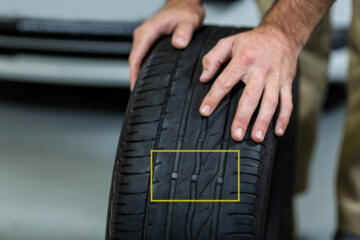
In practice, a technician will inspect tread depth with a gauge and compare left vs right. They may also check for bent wheels by measuring runout on a balancer. I’ve seen shops catch a “mystery” wear case where the tire looked fine until the inside shoulder was measured at 4/32 in versus 7/32 in on the other side.
Bring the tire brand and size info. 245/45R20 is not the same as 205/55R16.
Use a proper alignment printout
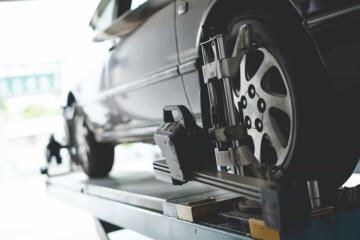
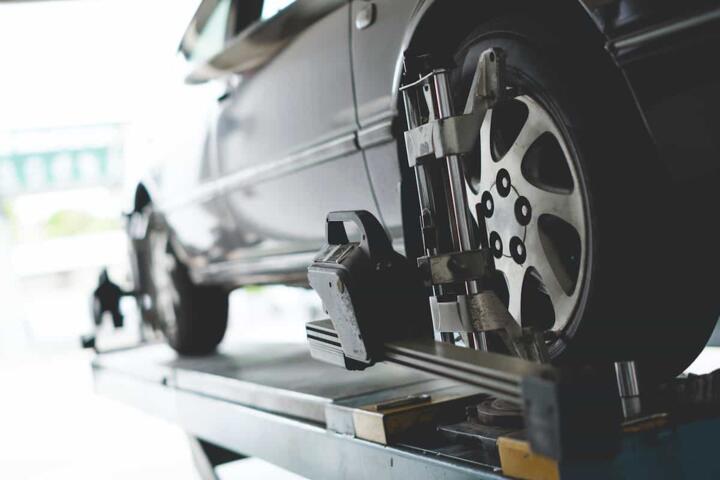
Ask for the before-and-after numbers, not just “it’s aligned.” A modern alignment rack records camber, toe, and caster, plus steering wheel angle. Many cars also have thrust angle readings that show whether the rear axle is square to the road.
Why it works: alignment is geometry. If the printout shows toe corrected but thrust angle still high, the tire wear pattern can keep repeating. In practice, you want the final values within the manufacturer’s tolerance band, not just “green lights” on a generic screen.
On a 2021–2024 crossover with 18–20 inch wheels, tolerances can be tight enough that a 0.05° change matters over 10,000–15,000 miles.
Check suspension wear first
Alignment adjusts angles, but it cannot fix worn parts that keep moving the geometry. Worn ball joints, tie-rod ends, control arm bushings, and strut mounts can cause alignment to drift again after a week. If the shop finds play, they should recommend repairs before re-aligning.
In practice, you’ll often see repeat visits after “alignment only” when the vehicle has a clunk over bumps. For example, a 2.0L turbo sedan with 60,000 miles may need inner tie rods and an alignment, not just an adjustment. The repair frequency depends on road conditions, but tie-rod wear is common on vehicles that see potholes and winter salt.
Skip the alignment-only ticket. Fix the moving parts first.
Account for tire pressure and load
Alignment is measured at a specific ride height and tire pressure. If you drive with tires 8–10 psi low, the contact patch changes and the steering response shifts. That can mimic alignment problems and accelerate wear on the shoulder.
Why it works: tire pressure affects sidewall stiffness and the loaded shape of the tread. In practice, set pressures to the door-jamb label, then re-check after driving for a few minutes. If you carry a heavy load, alignments should be done with the typical load condition, or at least the shop should note the vehicle’s curb weight and tire size.
On a pickup with a 3.5L V6 and frequent towing, the front axle load changes under hitch weight. That can change wear even when the alignment is “correct” at curb load.
Realign after impacts and repairs
Realign after any event that can bend or shift suspension geometry: wheel replacement, tire replacement with a different size, control arm or strut replacement, and curb/pothole impacts. Many manufacturers specify alignment checks after certain repairs, and shops commonly follow that logic because toe can move quickly.
In practice, a bent wheel can cause vibration and also affect effective alignment because the tire runs slightly off-center. A technician can confirm with wheel runout measurements on the balancer. If you see a steering wheel shake at 65–75 mph, alignment may not be the only issue, but it still should be checked.
Skip the “wait until the next tire change.” Do it after the impact.
Choose the right alignment type
Not every vehicle uses the same adjustment strategy. Some cars have limited camber adjustment and rely on eccentric bolts or shims, while others can adjust toe and camber more freely. If the vehicle has aftermarket suspension components, the shop should match the alignment method to the parts installed.
Why it works: the rack can only set what the suspension allows. In practice, a lifted SUV may require additional camber adjustment or even correction arms to bring angles back into spec. Without those parts, the shop can align toe but still leave camber out of range, which leads to inside shoulder wear.
For EVs with heavier battery packs, front axle loads can be higher. That can magnify wear patterns if camber and toe drift.
Verify with a short post-check
After alignment, re-check tire pressure and watch the first 500–1,000 miles for new wear. A good sign is even tread temperature across the tire face after a highway run, though most drivers can’t measure temperature directly. Instead, look for changes in tread edge appearance and confirm the steering wheel centers.
In practice, if the vehicle pulls or the steering wheel drifts again quickly, the cause is usually a loose component, a damaged wheel, or a suspension bushing that has not been replaced. Some shops will schedule a follow-up alignment check if you report a return of symptoms.
Skip the “it will settle” excuse. If it drifts fast, something is still moving.
Use a shop with measurement discipline
Alignment quality depends on procedure. Ask whether the shop calibrates the alignment heads, uses the correct target settings, and measures before adjusting. A technician should also inspect tire size, wheel condition, and brake rotor runout if the vehicle has a pull under braking.
In practice, I’ve seen differences between shops that use a full alignment printout versus those that only adjust until the screen turns green. The first approach catches rear thrust angle problems and helps explain why a vehicle still wears tires on one side.
Bring your last alignment report if you have it, even if it’s from 2022.
Mini case studies with numbers
A service fleet ran 18 compact sedans with 2.0L engines and 225/45R17 tires. After a winter pothole season, they saw inside-shoulder wear and a 10–15% drop in tire remaining tread at the 20,000-mile mark. The company traced the issue to worn inner tie rods and toe drift after impacts. They replaced inner tie rods on 12 vehicles, aligned all 18, and standardized tire pressure checks at 2-week intervals. Tire life returned to roughly 45,000–50,000 miles instead of 35,000–40,000 miles, saving an estimated $6,000–$9,000 across the fleet on replacement sets.
Skip the “rotate more often” response. Rotation cannot fix toe scrub.
A second case involved a family SUV with a 3.5L V6 and 255/55R20 tires. The owner noticed steering wheel off-center and uneven wear after replacing a front strut. The shop performed an alignment with a full printout, corrected toe and camber, and confirmed wheel runout was within spec. After 8,000 miles, tread depth difference between left and right front shoulders dropped from about 3/32 in to under 1/32 in. The owner also reported less steering correction on highway curves, which matched the improved thrust angle reading.
Alignment checklist for buyers
| Check | What to look for | Why it matters | Next step |
|---|---|---|---|
| Tread pattern | Feathering or one-shoulder wear | Toe or camber drift | Inspect with a tread gauge |
| Steering feel | Wheel off-center, pull, drift | Front geometry or rear thrust | Request a full alignment printout |
| Pressure history | Low or inconsistent tire pressures | Changes contact patch and wear | Set to door-jamb spec before judging wear |
| Impact clues | Pothole, curb, bent wheel signs | Toe shifts quickly after damage | Check wheel runout and align afterward |
| Suspension parts | Recent strut, arm, tie-rod work | Alignment can drift after repairs | Confirm alignment was done after the repair |
Common mistakes to avoid
Buying tires before fixing alignment is a common mistake. It happens because tire tread looks “new” while the geometry problem stays. The impact is repeat wear within weeks, especially with toe errors. Avoid it by checking tread depth on both shoulders and requesting an alignment printout before paying for a full set.
Skip the “rotate and forget” routine. Rotation helps even out wear, but it cannot correct toe scrub.
Another mistake is ignoring tire pressure and load. People often check pressure cold once, then forget it changes with temperature swings. The impact is uneven tread temperature and shoulder wear that looks like alignment failure. Avoid it by setting pressures to the door-jamb label and re-checking after seasonal temperature changes.
Some buyers also accept a green-light alignment without reading the numbers. This happens because the rack display is designed for speed, not diagnosis. The impact is missing a rear thrust angle issue or a camber value that sits near the tolerance edge. Avoid it by asking for before-and-after values and confirming they fall within the manufacturer’s spec range.
Finally, people delay alignment after suspension work. This happens because the car drives “fine” for a short period. The impact is that the new parts settle under load and toe shifts again. Avoid it by aligning immediately after strut, tie-rod, or control arm replacement, then watching wear over the next 500–1,000 miles.
FAQ
How often should I align?
There is no universal mileage interval that fits every vehicle. Alignment checks are commonly recommended after suspension repairs, after wheel impacts like potholes or curb strikes, and when you notice steering wheel off-center or uneven tread wear. Many owners also schedule an alignment check annually, especially if they drive on rough roads or carry heavy loads. If you drive an EV with heavier curb weight, front axle loads can magnify wear, so an annual check can be a practical habit. If you have a recent alignment report, use it as your baseline.
Can bad alignment ruin tires quickly?
Toe errors can wear tires faster than many drivers expect. When toe is off, the tread blocks scrub laterally every rotation, which accelerates edge wear and can create feathering you can feel with a finger. The speed depends on tire width, vehicle weight, and how far out of spec the angles are. A 245/45R20 tire on a heavier crossover can show uneven wear sooner than a narrower tire on a light sedan. If you see a 3/32 in difference between shoulders within a short time, alignment and tire pressure both deserve attention.
Will alignment fix a steering pull?
Alignment can fix pull caused by toe or thrust angle mismatch, but it cannot correct every cause. A pull can also come from uneven tire pressure, a damaged wheel, brake caliper drag, or a belt separation in one tire. If the steering wheel is off-center after a recent tire change, toe and rear thrust are likely. If the pull happens mainly under braking, brake components and rotor condition matter more. A good shop checks tire pressures first, then measures alignment, then inspects brakes and wheel condition.
Do I need an alignment after new tires?
New tires do not correct alignment geometry. If the old tires wore unevenly, the alignment issue likely remains, and the new tires can start wearing the same way. If the tires were replaced due to age or tread wear without any steering symptoms, an alignment check is still a smart step, especially if the car hit a pothole or had suspension work since the last alignment. For buyers, the practical approach is to inspect tread wear patterns and ask for an alignment printout before paying for a second set.
What should an alignment shop measure?
A complete alignment typically measures camber, caster, and toe for the front and toe for the rear, plus steering wheel angle and thrust angle. The shop should also confirm tire size matches the vehicle spec and check wheel condition for bent rims using runout measurements. If the vehicle has adjustable components, the shop should show the before-and-after numbers and confirm they land within the manufacturer’s tolerance. If you only receive a “done” statement without numbers, you lose the ability to diagnose why the tires wore unevenly in the first place.
Author's Insight
Wheel alignment affects tires because it changes the direction the tread travels across the road surface. Toe errors create lateral scrub that shows up as edge wear and feathering, often before the driver feels a major steering problem. Camber errors tend to show up as inside or outside shoulder wear, especially on vehicles with heavier front axle loads like many SUVs and EVs.
Most repeat alignment problems trace back to worn suspension parts or wheel damage, not to the alignment rack itself. A printout with before-and-after values helps separate “geometry corrected” from “geometry adjusted but still out of tolerance.” If you track tire wear with a tread gauge and keep tire pressure near the door-jamb spec, you can catch alignment drift earlier than waiting for a vibration or a pull.
Some shops use versioned software and rack calibration routines; if you notice a shop can’t explain their measurement process, that’s a small red flag, and you can ask to see the numbers.
Key takeaways
Alignment changes tire contact patch behavior, so it directly affects tread life, rain traction consistency, and steering stability. Toe drift often causes the fastest tire wear, while camber drift shows up as shoulder patterns. Fixing alignment without addressing worn tie rods, bushings, or bent wheels leads to repeat problems and repeat tire purchases.
Next steps: inspect tread with a gauge, set tire pressure to the door-jamb label, and request a full alignment printout with before-and-after values. If you recently replaced struts, control arms, or tie rods, align immediately and then watch wear over the next 500–1,000 miles. If you feel a pull under braking or steering vibration at highway speeds, ask the shop to check brakes and wheel runout too.
Limits: alignment cannot correct tire defects, belt separations, or severe wheel damage. Seek professional diagnosis when wear patterns are rapid, when the steering wheel keeps drifting back, or when you suspect a bent wheel or brake issue. For safety, don’t keep driving on tires with large tread depth differences across the same axle.