Coolant keeps engines alive
Coolant is the engine’s temperature control system, not just “liquid in the radiator.” It carries heat from the engine block to the radiator, then returns cooled fluid through the water pump. A typical passenger car uses a 50/50 mix of coolant concentrate and water to manage both freezing and boiling. That mix targets roughly a -34°F (-37°C) freeze point and a higher boiling margin than plain water.
Skip the “top off with water” habit. It changes the freeze point and corrosion protection. Coolant also contains inhibitors that slow rust and scale inside passages, which are narrow and hard to flush later.
Vehicle type changes the risk profile. A turbocharged 2.0L engine in a compact sedan runs hotter under load than a naturally aspirated 3.5L V6 cruising at steady speed. In fleet settings, overheating events often correlate with coolant leaks, failed thermostats, or degraded coolant chemistry rather than “bad luck.”
Industry guidance from major coolant manufacturers and vehicle service manuals commonly uses a two-part approach: maintain the correct concentration and replace coolant at a specified interval. Those intervals vary widely by design, but they often land in the 60,000–100,000 mile range for long-life coolants. Some modern engines use extended-life formulations, while others specify shorter service intervals.
Coolant also affects emissions hardware indirectly. Overheating can push the engine management system into protective modes, and repeated thermal stress can accelerate wear in head gaskets and seals.
What goes wrong in real life
People usually miss coolant until the dashboard light appears or the temperature gauge climbs. That delay happens because the system can lose a small amount of fluid without immediate overheating. A slow leak at a hose clamp, radiator seam, or water pump weep hole may take weeks to drop the level enough to matter.
Skip the “it’s probably fine” guess. Low coolant reduces heat transfer and raises metal temperatures. When the coolant level drops, air pockets form, and the pump moves less liquid through the hottest passages.
Another common mistake is mixing coolant types. Many vehicles specify an OAT (organic acid technology) coolant, while others use HOAT (hybrid organic acid technology) or silicate-based chemistries. Mixing can reduce inhibitor effectiveness, and the result can be corrosion, gel formation, or clogged passages. The symptoms can look like overheating, fluctuating temperature, or a radiator that stays cool at idle.
Consequences show up in repair invoices. A thermostat replacement might cost a few hundred dollars, while a head gasket repair can run into the thousands. In severe cases, warped cylinder heads and damaged bearings follow from repeated overheating events.
Ownership costs rise quietly. A vehicle that runs hot burns more fuel and may trigger additional wear on the cooling fan motor, radiator, and hoses. Fuel economy changes are not always dramatic, but thermal stress can push the engine toward richer enrichment and more frequent fan operation.
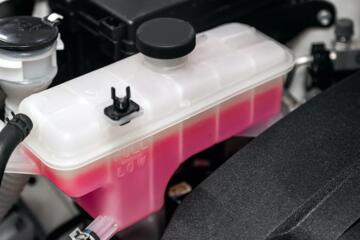
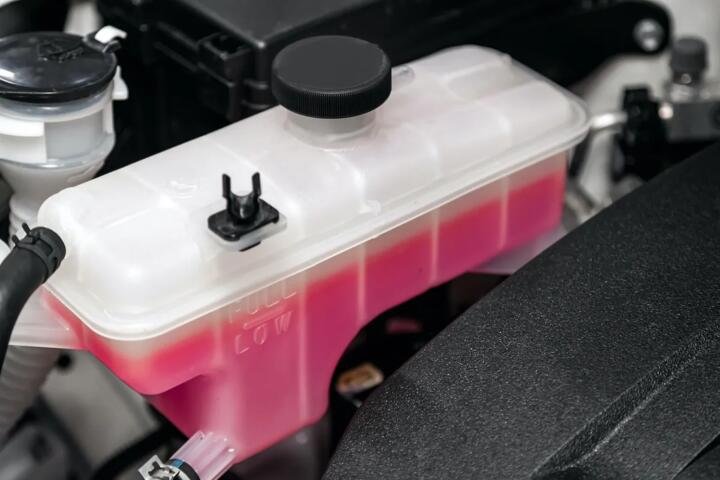
Real-world situations are predictable. A 2017–2021 compact SUV with a 2.0L turbo can overheat during a long uphill drive if the thermostat sticks or the coolant concentration is off. A 3.5L V6 minivan can develop a slow leak near the coolant reservoir, and the driver notices only after the level drops below the “MIN” line.
Check coolant like a system
Verify concentration with a tester
Do a concentration check before topping off. A refractometer or coolant test strips can confirm whether the mix is still near the target ratio. This matters because water-only topping lowers freeze protection and weakens corrosion inhibitors. In practice, a refractometer reading that drifts from a 50/50 target often points to repeated losses or incorrect prior service.
Skip guesswork. A $20–$40 refractometer beats repeated “add some” cycles. If your car calls for a specific spec, match it to the manual rather than using whatever is on the shelf.
Inspect for leaks where heat lives
Look for wetness around the radiator end tanks, hose connections, and the water pump area. Use a flashlight and check after the engine cools down, because leaks can evaporate quickly while hot. A coolant leak often leaves a crusty residue, especially with older systems.
Skip the “clean it and watch” approach. It hides the source. If you see coolant staining near the thermostat housing or the lower radiator hose, plan for a pressure test at a shop.
Test thermostat behavior under load
Thermostats regulate flow to keep the engine in its designed temperature band. A stuck-open thermostat can cause slow warm-up and poor cabin heat, while a stuck-closed thermostat can trigger rapid overheating. In practice, you can compare upper radiator hose temperature rise against gauge behavior during a controlled drive.
Skip random parts swapping. A temperature scan with an OBD-II tool can show coolant temperature sensor readings that don’t match expected warm-up patterns. Some shops use infrared thermometers to map flow across radiator tanks.
Use the correct coolant type
Match the coolant chemistry to the vehicle’s specification. Many manufacturers list coolant meeting a particular standard on the cap, in the manual, or on a service label. If you cannot confirm the type, a shop may recommend a flush to avoid inhibitor mismatch.
Skip mixing “by color.” Color varies by brand and can change after service. The chemistry matters more than the shade.
Replace at the interval, not later
Follow the replacement interval in the service schedule. Extended-life coolants often specify a time or mileage limit, and the inhibitor package depletes with heat cycles. In practice, a 100,000-mile interval on paper can still be shortened if the vehicle sees frequent short trips, heavy towing, or extreme temperatures.
Skip waiting for rust. Once corrosion products build up, flushing may not restore full flow through narrow passages. A shop can measure coolant condition with test equipment, though availability varies.
Bleed air after service
Air in the cooling system reduces heat transfer and can cause gurgling, fluctuating temperature, or heater performance issues. After draining and refilling, many vehicles require a specific bleeding procedure, sometimes involving a service mode or venting steps. The correct process depends on the model and engine layout.
Skip “fill to the line and drive.” Some systems trap air near the thermostat housing or heater core. Follow the manual procedure, even if it takes an extra 10–15 minutes.
Plan for towing and high-heat duty
Cooling margins shrink during towing because engine load stays high for longer. A vehicle rated for 3,500 lb towing capacity can still overheat if coolant concentration is low or the radiator is partially blocked. Before a towing season, inspect hoses, confirm fan operation, and check coolant level and concentration.
Skip towing with an unknown coolant history. If the coolant is near the replacement interval, schedule service first. Cabin heat performance also acts as a clue; weak heat can indicate air pockets or flow issues.
Mini cases from the shop floor
A regional delivery company ran a 2018 sedan with a 1.6L turbo on routes with frequent stop-and-go and short trips. The fleet noticed rising coolant consumption and occasional “coolant low” alerts at around 42,000 miles. They pressure-tested the system, found a seep at the lower radiator hose clamp, and replaced the hose and clamp. They also corrected coolant concentration using the specified chemistry and performed a proper bleed. After the repair, coolant level stabilized and the temperature warnings stopped; the company reported no repeat cooling-related breakdowns through 60,000 miles, with towing-free roadside costs dropping in that period.
Skip the “just top it off” pattern. It delays the leak diagnosis and increases the chance of air pockets. In another case, a small contractor used a 3.5L V6 minivan for jobsite hauling with frequent idling. At 78,000 miles, the van overheated during a 20-minute uphill climb. The shop replaced a thermostat that stuck intermittently and flushed the cooling system due to degraded coolant chemistry. The repair cost was higher than a thermostat alone, but it prevented a head gasket failure that can exceed $2,000 in many markets.
Coolant checklist for buyers
| Check | What to look for | Why it matters | Action if off |
|---|---|---|---|
| Coolant level | Reservoir near “MAX” when cold | Low level reduces heat transfer | Pressure test for leaks |
| Concentration | Target mix per manual (often 50/50) | Freeze and corrosion protection | Correct with correct concentrate |
| Coolant condition | No heavy rust, sludge, or gel | Clogs narrow passages | Shop test or flush |
| Hose and clamp | Dry, no crust at joints | Common leak points | Replace suspect components |
| Thermostat signs | Slow warm-up or overheating spikes | Flow control failure | Scan data, test operation |
Common mistakes and fixes
People top off with whatever is nearby. This happens because coolant reservoirs are easy to access and the car may not overheat immediately. The impact shows up later as corrosion or reduced freeze protection. Avoid it by using the correct coolant spec from the manual and confirming concentration with a tester.
Skip the “coolant is coolant” mindset. Color can mislead, and inhibitor chemistry varies. A $30 refractometer reading can prevent a $1,500 repair.
Another mistake is ignoring heater performance. Drivers often treat weak cabin heat as a blend door issue, which, frankly, most people skip diagnosing early. Low coolant level or trapped air can also reduce heater output. Avoid it by checking coolant level and looking for air symptoms after any cooling service.
Some owners delay coolant replacement because the fluid still looks “not too bad.” This happens when the car runs fine for months, and the warning light never triggers. The impact is inhibitor depletion and scale buildup that can clog passages. Avoid it by following the service interval and keeping records; a shop can test coolant condition when available.
Finally, people mix coolant types after a partial repair. This happens when a shop replaces a hose or radiator and uses a generic product. The impact can be gel formation or corrosion, which can look like recurring overheating. Avoid it by asking what coolant standard was used and requesting documentation.
FAQ
How often should coolant be replaced?
Replacement intervals depend on the coolant chemistry and the engine design. Many long-life coolants target roughly 60,000–100,000 miles, but some vehicles specify shorter schedules based on time, mileage, or duty cycle. Short trips and heavy towing can accelerate inhibitor depletion because the system never fully reaches stable operating temperature. Use the service schedule in the owner’s manual, then confirm the coolant type used in prior work. If you buy a used car with unknown history, a concentration check and a shop inspection of coolant condition are practical first steps.
Can I mix coolant types safely?
Mixing depends on the coolant standard, not the color. Some OAT and HOAT formulations can be compatible, while others can reduce corrosion protection or promote deposits. If the vehicle manual specifies a particular standard, match it. If you do not know what is currently in the system, avoid adding random concentrate; instead, have a shop identify the coolant type or perform a controlled flush. Mixing “just to get home” can be fine for a short distance, but it should not become the plan for repeated top-offs.
What are early signs of coolant problems?
Early signs include coolant level dropping, sweet-smelling vapor after shutdown, crusty residue near hose joints, and fluctuating temperature gauge readings. Cabin heat that weakens suddenly can point to air in the system or reduced coolant flow. Some cars show a “coolant low” message before overheating occurs. If you notice repeated fan cycling at idle or the upper radiator hose warms later than expected, treat it as a diagnostic clue. A scan tool reading of coolant temperature versus engine load can help separate sensor issues from actual overheating.
Does coolant affect fuel economy?
Coolant affects fuel economy indirectly through engine temperature management. When the engine runs too hot, the control system may enrich the mixture and increase fan operation, which adds electrical load. When the engine runs too cool due to a stuck-open thermostat, it can stay in a less efficient warm-up strategy longer. The change is usually modest compared with tire pressure or driving style, but it can matter over long commutes. If you see a steady drop in mpg alongside temperature complaints, check coolant level, thermostat function, and radiator airflow.
Will low coolant damage my engine?
Low coolant can damage the engine by reducing heat transfer and creating hot spots in the cylinder head and around the head gasket area. The risk rises with repeated overheating, towing, or long uphill drives. Even without a dramatic temperature spike, air pockets can cause localized boiling. If the coolant level drops, treat it as a leak or system fault, not a “normal consumption” issue. A pressure test and inspection of common leak points usually cost less than repairing head gasket damage after the fact.
Author's Insight
Coolant failures rarely look dramatic at first. A small leak, a concentration drift, or a thermostat that opens late can turn into overheating after a few heat cycles. I rely on service manual procedures and common diagnostic patterns: verify concentration, confirm coolant type, pressure-test for leaks, then check thermostat and fan operation with scan data. In my experience reading repair orders, the most expensive cooling repairs follow repeated “top off and drive” decisions.
One practical aside: I often see technicians mention a specific bleed procedure tied to the vehicle’s design, and skipping it leaves air pockets that return later. A shop that uses the correct service mode and documents coolant spec choices reduces repeat visits.
What to remember
Coolant controls temperature, corrosion, and freeze/boil margins, so it affects both reliability and repair costs. Next step: check the coolant level when cold, then test concentration with a refractometer if the history is unclear. If the coolant is near the replacement interval, schedule service using the correct coolant standard and a proper bleed procedure.
Limits exist. A visual inspection cannot confirm inhibitor depletion, and a concentration test does not locate a leak. If you see repeated level drops, overheating warnings, or milky oil, seek professional diagnosis promptly. Head gasket repairs and warped components can follow from repeated overheating, and those outcomes are harder to reverse than a hose or thermostat job.