Why 48-volt Systems Matter
A 48-volt mild hybrid system adds a small battery pack and a motor-generator to support the gasoline or diesel engine. The goal is not to run the car on electricity alone, but to reduce engine load during common moments like acceleration from low speed and deceleration.
Most 48V setups use a lithium-ion battery around 0.5–1.0 kWh, paired with a belt-driven starter-generator. That battery size is far smaller than a full EV pack, so the system’s electric-only distance is usually measured in seconds, not miles.
Fuel economy gains depend on how often you slow down and speed up. In EPA testing, mild hybrids often show modest improvement rather than dramatic jumps, and real-world results swing with traffic density and driving style.
Skip the “EV-like” expectation. They add one more thing to manage.
Vehicle type changes the outcome. A compact hatch with frequent stoplights can see better gains than a highway-focused sedan, because regenerative braking and electric assist happen more often.
For context, a typical 48V system can recapture energy during braking and feed it back through the belt drive. The system may also support engine-off coasting at very low speeds in some designs, but the exact behavior varies by manufacturer and calibration.
Common Misunderstandings
People often assume a 48V mild hybrid replaces the engine or eliminates fuel use at idle. In practice, the engine still does the heavy lifting, and the 48V hardware mainly reduces how hard the engine works.
Another misunderstanding is that 48V means “more power for free.” The motor-generator’s assist is limited by battery voltage, current limits, and thermal capacity, so it supports short bursts rather than sustained acceleration.
Consequences show up in two places: driving feel and ownership costs. You may notice smoother launches and less jerk during start/stop, but you also inherit a second electrical system with its own service procedures.
Real-world situations make the difference. In a city commute, regenerative braking can reduce brake dust and pad wear, yet in steady highway cruising the system has fewer chances to harvest energy.
Financially, the mild hybrid can raise purchase price and may affect insurance and repair labor. Battery and inverter components are usually covered under longer warranties than the 12V battery, but coverage terms vary by brand and model year.
Skip the “it’s just a battery.” It adds a high-voltage-adjacent system.
What to Do When You Buy
Check how it behaves at low speed
Do a test drive that includes creeping traffic and parking-lot maneuvers. Many 48V systems can shut the engine off at stops and restart quickly, but some only do it above certain temperatures or after a learning cycle.
Look for engine-off time and restart smoothness. If the car restarts abruptly, the calibration may be conservative, or the battery state of charge may be low.
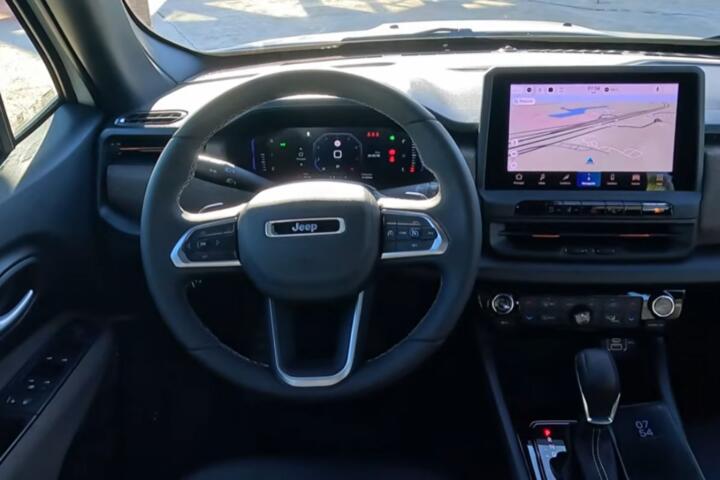
In practice, you’ll see the tachometer drop to zero at stops and the belt-driven motor assist during the first few meters. That’s where the system can reduce fuel burn most.
Bring a notebook. Record how long engine-off lasts.
Ask the dealer to show the owner’s manual section on “auto stop” conditions. Some designs require a minimum battery charge or cabin demand limits, and those constraints matter on cold mornings.
Evaluate fuel savings for your commute
Compare your typical route to the test cycle assumptions. If your drive includes frequent deceleration and short accelerations, regenerative braking and electric assist can cut fuel use more than on a 60 mph cruise.
Use a fuel log for 2–3 weeks before purchase if you can. Then compare to the mild hybrid’s published EPA estimate for the exact trim and drivetrain, not a different model year.
Ownership costs follow the fuel math. A 5–15% improvement can matter over 30,000 miles, but a 1–3% gain may not justify the higher upfront price.
Do the math with your local fuel price. Even $0.50/gal changes the outcome.
Also check whether the system’s “charge management” strategy forces the engine to run more often to protect battery health. Some calibrations do this under hard acceleration or sustained grades.
Understand charging limits and regen
A 48V battery charges mainly through regenerative braking and engine-driven generation. It does not plug into a wall, so you cannot “top it up” before a trip the way you can with a PHEV.
Expect regen to be limited when the battery is cold, full, or the brakes are used aggressively. In those moments, the car may blend friction braking more heavily, which can reduce the brake-wear benefit.
On long downhill runs, the car may also reduce regen to protect battery temperature. That’s normal, but it changes how much deceleration feels “one-pedal-like.”
Skip the downhill fantasy. Regen has caps.
During the test drive, try moderate braking from 30–40 mph and watch for regen behavior in the instrument display. If the car hides the details, ask for the specific menu path in the infotainment settings.
Plan for 48V-specific service
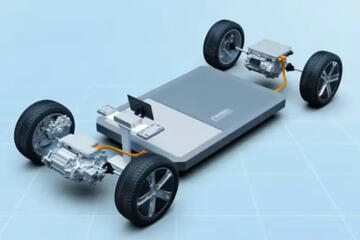
48V systems add components like a belt-driven starter-generator, DC-DC converter, and a dedicated battery module. Routine service intervals for oil and filters may stay similar, but diagnostic steps and labor time can increase.
Ask about scan tool access and whether the shop uses manufacturer-level procedures. A generic code reader may not capture battery state-of-health data, and that can slow troubleshooting.
Maintenance considerations include battery cooling checks, inspection of high-current wiring, and correct replacement of 12V batteries. Even though the 48V pack is separate, the 12V system still powers many control modules.
Bring up warranty coverage for the 48V pack. Terms vary by model.
Repair frequency is hard to predict because it depends on component quality and driving conditions. Still, belt-driven starter-generators and DC-DC converters are known wear-and-failure candidates in any hybrid architecture, so pay attention to recall history for the specific model year.
Budget for tires and brakes changes
Regenerative braking can reduce brake pad wear, but it does not eliminate brake service. If you drive in a way that relies on friction brakes—late braking, panic stops, or low-regen conditions—pad wear can look similar to a non-hybrid.
Some drivers notice less brake dust on wheels, especially in stop-and-go traffic. That’s a practical clue that regen is contributing, though it’s not a guarantee.
Also consider tires. If the mild hybrid improves launch feel, some drivers accelerate more, which can increase tire wear and reduce tread life.
Watch your tire rotation schedule. Mild hybrids don’t change that.
For towing and payload, mild hybrid systems do not turn into EV torque monsters. The engine still sets the towing capacity, and the 48V assist is usually limited to short bursts.
Confirm warranty terms before signing
Warranty coverage for the 48V battery and related hybrid components often extends beyond the basic bumper-to-bumper period. The exact duration and mileage depend on the brand, and some warranties cover only certain components.
Ask for the warranty booklet language for “hybrid system” and “battery” coverage. If the dealer can’t provide it, check the manufacturer’s warranty page for the specific VIN range.
Ownership costs hinge on whether the 48V pack is covered through your planned ownership window. A 10-year plan changes the risk profile compared with a 3-year lease.
Skip vague warranty talk. Ask for the component list.
Also check roadside assistance terms. Some hybrid systems require specific recovery procedures, and the tow policy can affect out-of-pocket costs.
Test child-seat fit and cabin practicality
48V mild hybrid hardware usually sits under the floor or near the engine bay, so it can affect packaging. The impact is model-specific, but it’s worth checking rear-seat space and seatbelt access.
In a family car, confirm that child seats install without awkward belt angles. Look for LATCH/ISOFIX anchor positions and whether the 48V battery location changes underfloor storage or cargo height.
Road-trip comfort matters too. If the system reduces engine noise at low speeds, cabin noise can still rise on highways due to tire and aerodynamic sources.
Try a 20-minute drive. Listen for rattles near the floor.
Some cars show different stop/start behavior when the climate system runs hard. That can change cabin temperature stability in winter commutes.
Mini Case: Fleet Savings
A delivery company ran 18 compact hatchbacks with 48V mild hybrid trims on mixed routes: 25–35 miles per day, frequent stops, and short highway segments. The fleet manager tracked fuel receipts for 60 days and compared them to the prior model year with a non-hybrid drivetrain.
They saw an average improvement of about 8% in fuel economy, with the biggest gains on routes that included multiple deceleration events per mile. Brake inspections after 20,000 miles showed less pad wear than the prior fleet, though friction braking still did most of the work during hard stops.
Skip the single-number story. Route mix drove the result.
Maintenance costs rose slightly at the first scheduled hybrid diagnostic check, mainly due to longer scan time and documentation. The manager reported no hybrid component replacements during the first year, but they did note that battery state-of-charge readings required manufacturer software.
In a second case, a small service business used 12 crossovers for suburban errands. Their routes were more highway-heavy, and the fuel improvement averaged closer to 3–4%, which reduced the payback period on the higher purchase price.
48V vs Non-Hybrid Checklist
| What to check | 48V mild hybrid | Non-hybrid | Why it matters |
|---|---|---|---|
| Engine-off behavior | May shut off at stops with conditions | No hybrid stop/start logic | Affects fuel burn and restart feel |
| Regen limits | Reduced when battery is full/cold | Friction braking only | Changes brake wear and decel feel |
| Service complexity | Hybrid diagnostics and battery checks | Conventional engine service | Can raise diagnostic labor time |
| Warranty terms | Often longer for hybrid components | Standard powertrain coverage | Affects long-term risk and resale |
| Fuel savings range | Usually modest, route-dependent | Baseline efficiency | Determines payback on higher price |
Common Mistakes to Avoid
Assuming it behaves like an EV
Why it happens: marketing materials often show electric-only concepts. Impact: you expect long electric range and end up disappointed when the engine starts frequently.
How to avoid it: test the car in stop-and-go and watch the engine status. If the engine runs most of the time, the system is doing assist and regen only.
Skip the “EV mode.” It rarely exists on 48V.
Ignoring battery state-of-charge
Why it happens: the display may hide battery details behind menus. Impact: you drive with a low state of charge and lose assist, so fuel economy drops.
How to avoid it: learn the instrument cluster indicators and check after a few days of mixed driving. Some cars show a battery icon or charge bar; use that as a habit.
Also note cold weather. Battery performance can change when temperatures drop.
Overestimating brake wear reduction
Why it happens: regen feels stronger than it is. Impact: you delay brake service and then pay for rotors or calipers when friction braking dominates.
How to avoid it: follow the brake inspection schedule and check pad thickness at tire rotations. If you live in hilly areas, regen may be limited on long descents.
Regen helps, but friction still matters.
Not asking about scan tools
Why it happens: many owners assume any shop can read hybrid codes. Impact: diagnosis takes longer, and you may pay for repeated visits.
How to avoid it: ask the service department what scan tool they use for hybrid systems. A shop that can read battery and inverter data reduces guesswork.
Bring up the exact model year. Procedures differ.
Buying without checking warranty language
Why it happens: people focus on monthly payments. Impact: the 48V battery may be covered for longer, or it may have exclusions that matter.
How to avoid it: request the hybrid system coverage terms in writing. Confirm whether the DC-DC converter, motor-generator, and battery module are included.
Skip the fine print later. Read it now.
FAQ
How much fuel can a 48V mild hybrid save?
Fuel savings vary with route mix. A 48V system mainly reduces engine load during acceleration and recovers energy during deceleration, so stop-and-go driving tends to produce better results than steady highway cruising. Published EPA estimates for mild hybrids are usually modest, and real-world outcomes can be smaller if your commute has long uninterrupted stretches or if you drive aggressively. Track your own fuel for 2–3 weeks, then compare to the exact trim’s rating. If the price premium is large, a small efficiency gain may not cover it over your planned mileage.
Does a 48V mild hybrid have an EV-only range?
Most 48V mild hybrids do not provide meaningful EV-only driving. The battery supports short electric assist and regenerative braking, while the engine continues to run for propulsion under most conditions. Some systems can shut the engine off at stops and may coast with the engine decoupled briefly, but that is not the same as sustained electric driving. If a listing claims “electric driving,” check the owner’s manual wording for how long the engine can remain off and under what speed and battery state conditions. Expect seconds to minutes of engine-off behavior, not miles.
Can I charge the 48V battery at home?
No. A 48V mild hybrid typically charges through regenerative braking and engine-driven generation. There is usually no charging port, and you cannot “precondition” the battery by plugging in. That means battery state of charge depends on driving patterns and temperature. In cold weather, regen may be limited until the battery warms, which can reduce the fuel and brake-wear benefits. If you want plug-in capability, a PHEV or BEV is the category that changes the charging method.
What extra maintenance comes with 48V?
Routine maintenance like oil changes and filters often stays similar, but hybrid diagnostics and inspections can add time. Shops may need manufacturer scan tools to read battery state-of-health, inverter faults, and control module data. Battery cooling components and high-current wiring should be inspected during service per the manufacturer schedule. The 12V battery still matters because it powers many control systems, so replacing a weak 12V battery can prevent hybrid system errors. Ask your service department what hybrid codes they can read and how they handle hybrid-specific procedures.
Will a 48V system raise repair costs or insurance?
It can. Hybrid components such as the motor-generator, DC-DC converter, and the 48V battery module may increase parts and labor costs compared with a conventional drivetrain. Insurance can also change because repair procedures may be more complex, and the vehicle may carry different risk profiles by model year. The best way to estimate impact is to request quotes for the exact VIN or trim and ask the insurer how hybrid parts affect deductibles and labor rates. Warranty coverage for the hybrid system can offset risk, but coverage terms vary, so verify them before purchase.
Author's Insight
A 48V mild hybrid is best understood as an engine-efficiency system, not a replacement for the engine. The hardware’s job is to shave load during frequent accelerations and to recapture energy during braking, which is why commute pattern matters more than badge claims.
When owners complain, it usually traces back to expectations: the car does not behave like a BEV, and regen can be limited when the battery is cold or full. The practical upside shows up in city driving, while highway-heavy routes often see smaller gains.
For ownership planning, the most useful step is to read the hybrid warranty terms and ask a shop about scan-tool capability before the first problem appears. That reduces uncertainty when the first hybrid-related fault code shows up, which can happen on any complex system.
Final Thoughts
48-volt mild hybrid systems add a small battery and motor-generator to reduce engine work during acceleration and to recover energy during deceleration. Fuel savings are usually modest and depend on traffic density, braking frequency, and temperature.
Next step: test-drive in your real route conditions, then compare your logged fuel use to the exact trim’s EPA estimate. Ask for written warranty coverage for the 48V battery and hybrid components, and confirm the service shop can diagnose hybrid faults with manufacturer procedures.
Limit: you cannot plug in to recharge, and regen can be reduced when the battery is cold or full. If you see repeated hybrid warning lights, drivability changes, or unusual battery-related messages, schedule a diagnostic appointment promptly rather than waiting for the next service interval.