Popular Articles
 What’s new
26.07.2026
What’s new
26.07.2026
What a 48-Volt Mild Hybrid System Adds
A 48-volt mild hybrid adds a battery and motor-generator to help the engine waste less fuel during stop-and-go driving. It typically supports regenerative braking, electric assist during launch, and smoother start/stop than a basic system. This guide explains what the extra hardware changes in real driving, what to watch for at service time, and how to judge fuel savings versus cost for your vehicle and commute.
 What’s new
20.07.2026
What’s new
20.07.2026
Why Some New Cars Drop the Spare Tire
It surprises a lot of drivers, but many newer cars no longer come with a full-size spare tire. Instead, manufacturers often include a tire-inflation kit or rely on run-flat tires to save space, reduce weight, and meet fuel-efficiency and packaging goals. This article breaks down what that shift means in real life - how a flat tire is handled on the roadside, when a quick fix works (and when it doesn’t), and why the change can matter even more for families, long road trips, and insurance or towing claims. You’ll also learn what to confirm before you buy, how to prepare for a puncture, and which simple tools and habits can help you get back on the road faster when a tire fails.
 What’s new
14.07.2026
What’s new
14.07.2026
The Shift From Dealerships to Direct Sales, Explained
Direct-to-consumer car sales change how you shop, negotiate, and finance. This guide explains what moves from the showroom to your inbox, phone, and driveway, and where the trade-offs show up. It covers pricing transparency, delivery and trade-in handling, warranty and service access, and how to compare total ownership costs. It’s aimed at buyers who want fewer surprises when buying an EV or gas vehicle.
 What’s new
08.07.2026
What’s new
08.07.2026
How Digital Cockpits Are Replacing Buttons
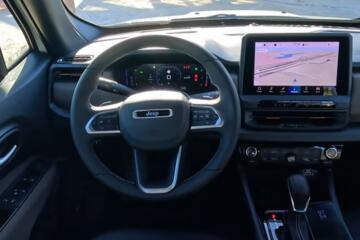
Digital cockpits swap physical buttons for touchscreens, haptic switches, and steering-wheel controls. This changes how drivers find climate, audio, and driver-assist settings while moving. The trade is faster customization and cleaner dashboards, but more menu navigation and more software dependence. This guide breaks down the real-world pain points, what to check before buying, and how to reduce ownership headaches.
 What’s new
02.07.2026
What’s new
02.07.2026
What New Driver-Assist Systems Can and Cannot Do
Driver-assist features can reduce workload, but they do not replace judgment. This guide explains what common systems like adaptive cruise, lane centering, and automatic emergency braking can handle, and where they fail. It also covers how sensor limits, weather, road markings, and driver attention affect real outcomes. If you’re shopping for a new car or trying to use these systems safely, you’ll get practical checks and buying questions.
 What’s new
27.06.2026
What’s new
27.06.2026
Why Carmakers Are Moving to Subscription Features
Subscription features in automotive products are reshaping how drivers experience vehicles. Carmakers exploit software-based services for ongoing revenue and flexibility, embedding new lifestyle elements into cars. This article explores the shift's driving forces, problematic assumptions, practical solutions, notable examples, and pitfalls to avoid for manufacturers navigating subscription models.
 What’s new
20.06.2026
What’s new
20.06.2026
Are EV Prices Coming Down in 2026?
This article examines where electric vehicle prices could be headed in 2026 for shoppers and industry watchers trying to gauge improving affordability. It unpacks the biggest forces shaping sticker prices and monthly payments - battery material costs, manufacturing scale, new model competition, software and feature bundling, dealer incentives, tariffs and regulations, and the impact of tax credits on transaction prices. It also corrects common myths (like “EVs will automatically get cheaper every year”) and explains why some segments may drop while others rise. Using real-world pricing data and brief case examples, it offers practical guidance on when to buy, which trims to prioritize, and how to compare deals beyond MSRP.
 What’s new
15.06.2026
What’s new
15.06.2026
How Over-the-Air Updates Work in Modern Cars
Over-the-air (OTA) updates are changing how modern vehicles are maintained by sending software upgrades and fixes directly to a car via a wireless connection. Instead of scheduling a dealership appointment for every bug or feature change, drivers can receive improvements remotely - often overnight - reducing downtime and keeping systems current. This article explains how OTA works, what parts of a vehicle it can update, and why it matters for safety, performance, and new features. It also explores the advantages for owners, automakers, and developers, highlighting how continuous updates extend a vehicle’s capabilities throughout its entire lifecycle.
 What’s new
08.06.2026
What’s new
08.06.2026
5 Car Tech Trends Worth Knowing in 2026
Discover the top five car technology trends shaping 2026, designed for automotive enthusiasts, industry professionals, and everyday drivers seeking smarter, safer vehicles. This article solves the challenge of navigating rapid innovations by offering expert insights, real-world data, and actionable advice on emerging tech like AI-assisted driving, advanced battery tech, and integrated connectivity solutions.
 What’s new
05.06.2026
What’s new
05.06.2026
What Software-Defined Vehicles Actually Change
Software-defined vehicles (SDVs) are transforming the auto industry by moving key capabilities from fixed hardware to continuously evolving software. This shift changes vehicle architecture, enabling centralized compute, over-the-air updates, and features that can be improved long after purchase. It also reshapes the driver experience, maintenance workflows, cybersecurity needs, and new revenue models like subscriptions and on-demand upgrades. Aimed at developers, fleet operators, and automotive enthusiasts, this article explores how SDVs boost adaptability and accelerate innovation across a vehicle’s entire lifecycle.